Updated November 7, 2026. Written by the Hutu Spa Nha Trang team.
Almost everyone feels a little nervous and excited before their first massage. Should you eat before or after your session? Do you need to shower? What should you wear? How much clothing should you remove? What should you say if the pressure feels uncomfortable? These are perfectly normal questions, and massage therapists hear them every day.
The good news is that you do not need to know any massage techniques or terminology. A comfortable first massage experience depends on a few simple things: preparing your body properly, choosing the right type of massage, communicating honestly with your therapist, and allowing yourself time to rest afterward. This guide walks you through every step, from booking your appointment to returning to your hotel, so you can enter the spa feeling confident and relaxed.
Quick answer: Before your first massage, prepare these eight things: book your appointment in advance, eat a light meal about 1 to 2 hours beforehand, stay hydrated, take a quick shower, wear loose and comfortable clothing, leave valuables at home or in your hotel, arrive approximately 10 minutes early, and inform your therapist about your health conditions, areas of tension, and preferred pressure. You always have the right to request lighter pressure or stop the massage at any time.
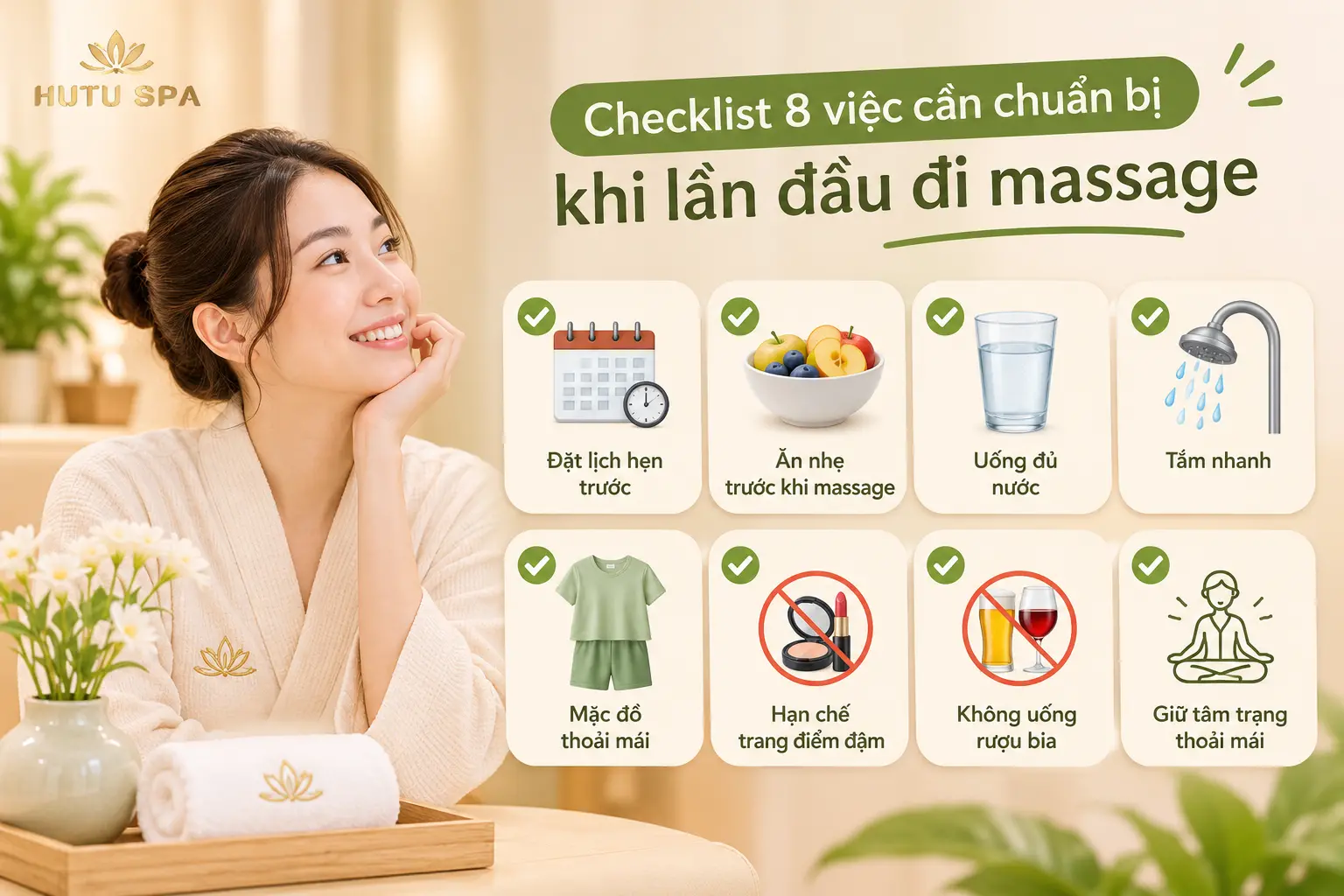
What Should You Prepare for Your First Massage? A One-Minute Checklist
The table below summarizes everything you need to prepare. Each item is explained in greater detail in the following sections.
| What to Do | How to Prepare | Why It Matters |
|---|---|---|
| Book in advance | Choose your preferred time and mention areas of tension and pressure preferences. | The spa can prepare your treatment room and therapist, helping you avoid waiting. |
| Eat a light meal | Eat approximately 1 to 2 hours beforehand and avoid excessively greasy foods. | Lying face down when you are too full or too hungry can be uncomfortable. |
| Stay hydrated | Drink water regularly throughout the day and limit alcohol and strong coffee. | Your body can relax more easily when it is not overstimulated. |
| Take a quick shower | Wash away sweat, seawater, and sunscreen. | Good hygiene helps you feel confident and makes the therapist's work more comfortable. |
| Wear loose clothing | Choose soft clothing that is easy to remove and put back on. | You may have some massage oil on your skin afterward, so convenient clothing is helpful. |
| Bring only essentials | Leave jewelry and valuables at your hotel. | This helps you avoid unnecessary worries and prevents accessories from getting in the way. |
| Arrive early | Arrive approximately 10 minutes before your appointment. | You will have enough time to change clothes and communicate with your therapist. |
| Communicate with your therapist | Discuss your health, allergies, pregnancy, injuries, and preferred pressure. | This helps make your massage safe and suitable for your body. |
Before Your Appointment: Choose the Spa, Massage Type, and Time
Much of your comfort during a massage is determined before you even enter the treatment room. Spending just ten minutes preparing can help you avoid some of the most uncomfortable situations.
Choose the Right Spa Before Booking
For first-time visitors, a spa with a clearly listed address, transparent pricing, and genuine customer reviews is more important than an extremely luxurious interior. Check the location on a map, read both positive and negative reviews, and confirm the actual price and treatment duration in advance. If you want a more detailed checklist covering hygiene, therapists, products, and service policies, read our guide to the 12 criteria for choosing a reputable spa before making your decision.
Another positive sign is that the spa does not pressure you into purchasing a multi-session package during your first visit. As a beginner, it is better to try a single session first so you can discover which massage style feels right for your body.
Which Massage Should You Choose for Your First Visit?
Spa menus often include many different treatment names, which can be confusing for beginners. The easiest approach is to choose based on how you want to feel after your session. Many beginner-friendly massage guides, including recommendations from Spafinder, suggest starting with gentle treatments such as Swedish massage, aromatherapy massage, or hot stone massage.
If you are wondering why this massage style is often recommended for beginners, Swedish massage is the foundation of many popular relaxation techniques. It typically involves long gliding strokes, gentle kneading, and slow, steady movements. Hutu Spa does not currently offer a service specifically named Swedish massage, but its Aroma essential oil massage provides the closest experience.
| Massage Type | What It Feels Like | Who It Is Suitable For |
|---|---|---|
| Aroma Essential Oil Massage | Gentle, slow, and lightly scented. | Beginners who want full-body relaxation. |
| Hutu Signature (Essential Oils and Hot Stones) | Deep warmth that helps the body relax. | People who enjoy soothing warmth. |
| Foot Massage | Gentle and easy to get used to. | People who walk a lot or feel slightly nervous about their first massage. |
| Neck, Shoulder, and Upper Back Massage | Focuses on the neck, shoulders, and upper back. | Office workers and people experiencing muscle tension after a flight. |
| Thai Massage | Uses pressure and stretching, similar to assisted yoga. | People who enjoy joint movement and stretching. |
| Deep Tissue Massage | Uses more noticeable pressure and may cause mild soreness afterward. | People accustomed to stronger pressure or experiencing significant muscle tightness. |
If you are still unsure, consider starting with one of these three beginner-friendly options: Aroma massage, Hutu Signature, or foot massage. All three offer relatively gentle experiences, minimize surprises, and give you time to become familiar with the sensation of receiving a massage.
Should You Choose 30, 60, or 90 Minutes?
The treatment duration determines whether your therapist can work slowly and carefully or needs to move more quickly. For a first visit, 60 minutes is generally the most balanced option for a full-body massage. It provides enough time for your muscles to warm up and relax without making the session feel too long or tiring.
- 30 minutes: Suitable for foot or neck and shoulder massage when you need a quick relaxation break during your schedule.
- 60 minutes: A safe and balanced choice for beginners, providing enough time for a relaxed full-body massage.
- 90 minutes: Suitable if your muscles feel particularly tense or you have an entire evening available.
- 120 minutes: Better saved for a future visit, once you know your preferences.
How to Book and What Information Should You Provide?
Book your appointment in advance, especially for evenings and weekends. When making a reservation, include four brief details: that this is your first massage, which areas feel tense, whether you prefer light, medium, or firm pressure, and whether you have any allergies or health conditions that the spa should know about. These four pieces of information help the spa prepare the right experience from the beginning.
On the Day of Your Massage: Food, Hygiene, and Clothing
Small preparations on the day of your appointment are often overlooked, but they can directly affect how comfortable you feel while lying on the massage table.
What Should You Eat Before a Massage?
Eat a light meal approximately 1 to 2 hours before your appointment. Massage sessions often involve lying face down, and a very full stomach can make this uncomfortable. On the other hand, being too hungry may make you feel lightheaded when sitting up. Try to avoid excessively greasy foods, very spicy dishes, and large seafood meals immediately before your appointment.
As for drinks, make sure you drink water regularly throughout the day. It is best to limit alcohol and strong coffee before your massage because stimulants can make it harder for your body to relax. If you are traveling in Nha Trang, avoid scheduling your appointment immediately after a large seafood meal. Allow yourself some time to rest before visiting the spa.
Should You Shower Before Going for a Massage?
Yes. Taking a quick shower before arriving is considerate toward your therapist and can also help you feel more confident during the treatment. You do not need an extensive shower. Simply wash away sweat, street dust, and sunscreen. Warm water can also help your body begin relaxing before the massage.
If you have just been swimming or spending time at the beach, rinse your body with fresh water to remove seawater. You should also wash away swimming pool chemicals or hot tub residue before your treatment. As for the opposite question, whether you should shower after a massage, this is also a common concern. You can find detailed information in our article about whether you should shower after a massage and how long you should wait.
What Should You Wear for Your First Massage?
Choose loose, soft clothing that is easy to remove and put back on, such as a casual dress, shorts, or a T-shirt. After your massage, some essential oil may remain on your skin, and you will probably want to get dressed quickly. Avoid tight trousers, shirts with many buttons, or outfits that require too much adjustment. It is also better to leave high heels behind, as wearing them can create unnecessary tension in your leg muscles.
For a foot massage, you only need to roll your trousers above your knees, so loose pants or a dress are the most convenient options. For Thai massage, many spas provide loose-fitting clothing that allows you to move comfortably. If you are unsure, simply ask the receptionist whether changing clothes will be necessary before entering the treatment room. This is a perfectly normal question.
What Should You Bring and Leave at Home?
- Bring: A hair tie if you have long hair, a clean change of clothes if you are coming directly from the beach, and sunscreen if you plan to go outdoors afterward.
- Leave behind: Jewelry, watches, and valuables. Removing accessories makes it easier for your therapist to work and means you do not have to worry about keeping your belongings safe.
- Adjust: Put your phone on silent mode and keep it away during the treatment. Bright screens and vibrations can interrupt your relaxation.
How Early Should You Arrive?
Try to arrive approximately 10 minutes early. This gives you enough time to drink water, use the restroom, change clothes, and communicate with your therapist. According to Hutu Spa's booking terms, guests are encouraged to arrive 5 to 10 minutes before their appointment. If you arrive late, your massage duration may be shortened to avoid affecting the next guest's appointment. If you are traveling from your hotel, allow extra time for transportation.
At the Spa: What Happens Before You Lie Down?
Check-In and Communicating with Your Therapist
When you arrive, you will check in at the reception desk and confirm your service, treatment duration, and price. Many spas will also ask you a few questions about your health. According to the first-time massage guide from the Natural Health Practitioners of Canada (NHPC), therapists commonly ask about recent injuries or health conditions before explaining the appropriate lying position and leaving the room so you can change clothes privately.
This is also the right time to ask anything you want to know: what the massage involves, whether certain movements can be avoided, or where to find the changing clothes. A professional therapist will welcome these questions and answer them naturally.
What Should You Tell Your Massage Therapist?
You do not need to explain everything in detail. Just make sure you communicate the important information. Tell your therapist about the following:
- This is your first massage, so they can explain the process and start gently.
- The areas that feel most tense, such as your neck, shoulders, lower back, or calves.
- Your preferred pressure: light, medium, or firm. If you find it difficult to describe, use a scale from 1 to 10.
- Any injuries, recent surgeries, chronic medical conditions, or medications you are taking.
- Whether you are pregnant or think you might be pregnant.
- Any allergies to essential oils, fragrances, or other products, as well as any sunburned or irritated skin.
- Any movements you would prefer to avoid, such as neck rotation or strong stretching.
Regarding pressure, many people mistakenly believe that a massage must hurt to be effective. In reality, relaxation massage and therapeutic massage mainly differ in their goals and the amount of pressure used. If you want to understand the difference, our article about what therapeutic massage is and how it differs from relaxation massage explains the topic in detail. For your first session, start with light to medium pressure and gradually adjust if needed.
Can You Request a Male or Female Massage Therapist?
If you feel more comfortable with a therapist of a particular gender, mention your preference when booking or checking in. Not every spa can guarantee a specific arrangement, but asking in advance gives the spa the best opportunity to accommodate your request. This is completely reasonable, and you do not need to explain why you have this preference.
Do You Have to Remove Your Clothes for Your First Massage?
This is one of the biggest concerns for first-time visitors, and the answer is simple: you decide what makes you comfortable. According to the Taking Charge guide from the University of Minnesota, your therapist will leave the room so you can change to the level of undress you feel comfortable with. You then lie down and cover yourself with a towel or sheet before the therapist knocks and returns. The same guidance emphasizes that you are in control: you can request adjustments or stop the massage at any time.
During the massage, your therapist will only uncover the area being treated and cover it again when finished. According to NHPC Canada, your therapist will not expose your breasts, private areas, or any other areas you wish to keep covered. When you need to turn over, the therapist will lift the towel and turn away so you can change positions privately.
Therefore, depending on the massage type, you may keep your underwear on or wear the spa-provided clothing. For foot massage and neck, shoulder, and upper back massage, you generally need to change very little. If you still feel uncomfortable, speak directly with your therapist or receptionist before the session begins. They can explain the most appropriate draping arrangement to help you feel secure.
During Your Massage: What Happens and What Should You Do?
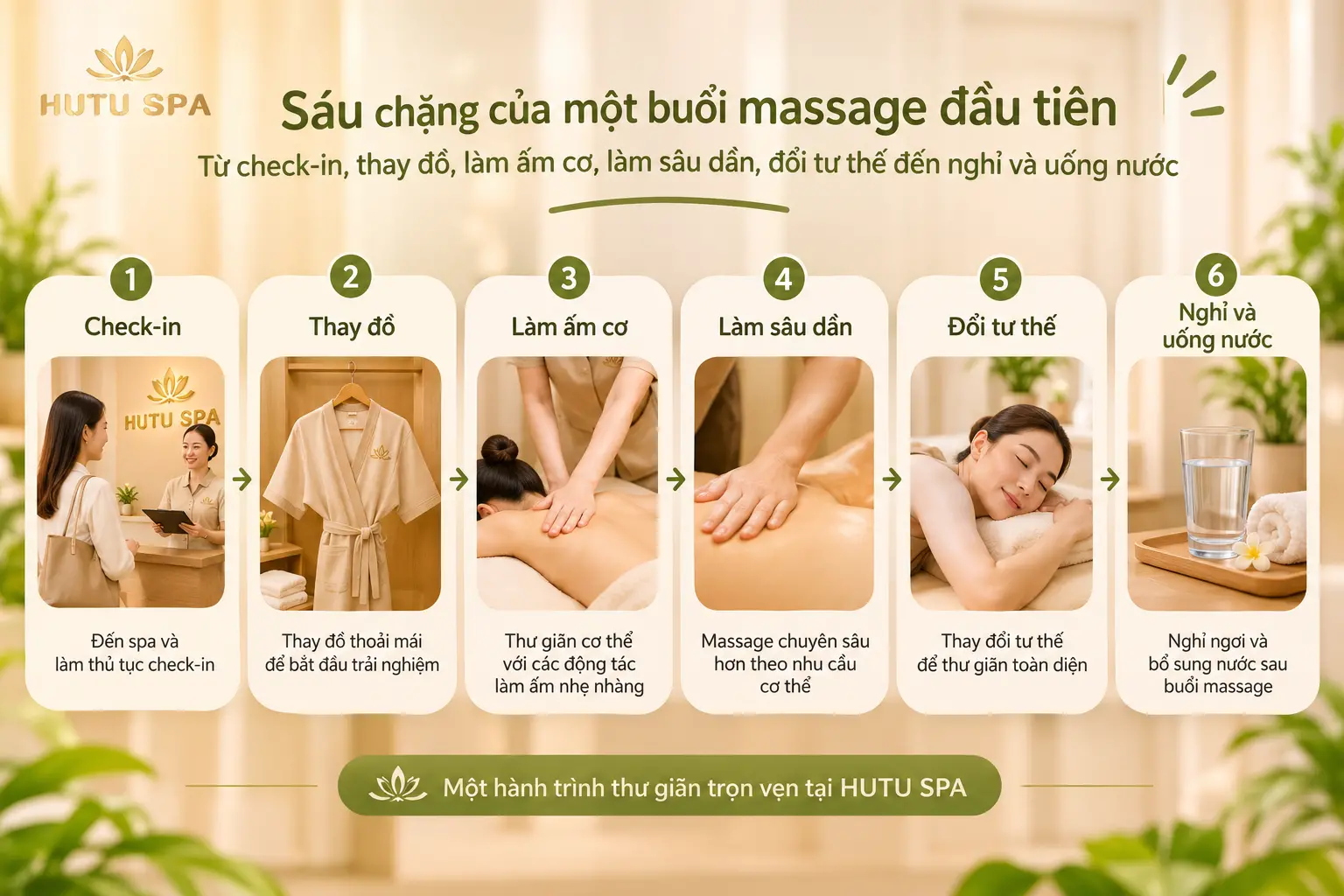
Your first massage usually follows six stages. Knowing the process in advance can help you feel more relaxed and less uncertain.
- Check-in and consultation: You discuss your health, areas of tension, and preferred pressure.
- Private changing: Your therapist leaves the room while you change, lie down, and cover yourself with a towel or sheet.
- Muscle warm-up: Gentle, long strokes help your muscles become accustomed to the therapist's touch.
- Gradually deeper massage: Pressure increases according to your feedback, and only the area being treated is uncovered.
- Changing positions and finishing: Your body remains covered with a towel as you turn over.
- Resting and drinking water: Sit up slowly before getting dressed.
How Much Massage Pressure Is Appropriate?
Appropriate pressure should feel slightly firm or mildly intense around tense muscles while still allowing you to breathe normally and relax. If you find yourself holding your breath, tensing your body, grimacing, or counting the seconds until the pressure stops, the pressure is probably too strong. Sharp pain, spreading numbness, or stabbing sensations are not something you should have to endure.
According to the FAQ section on the Hutu Spa website, massage pressure is adjusted according to each guest's tolerance. When working on tight muscle points, you may feel some pressure or mild discomfort, but it should not become unpleasant or painful. A simple request such as "Could you use a little less pressure?" or "Could you press a little harder here?" is enough for your therapist to make an adjustment.
Should You Talk During a Massage?
You can exchange a few words at the beginning, but you are not required to have a conversation throughout the session. Many people prefer silence so they can enjoy uninterrupted relaxation. What matters most is speaking up whenever the pressure becomes too strong, the room feels too cold, or your towel shifts out of place. Your therapist needs your feedback to provide the best possible experience.
What If You Fall Asleep, Feel Ticklish, or Become Nervous?
Falling asleep during a massage is very common and is not considered impolite. It simply means that you have relaxed. If you feel ticklish around your feet, hips, or waist, let your therapist know beforehand. They can use firmer, more consistent pressure or avoid those areas altogether. If you feel embarrassed or anxious, be honest about it. Your therapist can slow down and explain each step of the process.
What Should You Do After Your Massage?
The period immediately after your massage can greatly influence how comfortable and relaxed you feel throughout the rest of the day. Follow these five simple steps:
- Sit up slowly. According to Taking Charge, if you feel slightly lightheaded, remain on the massage table for a few minutes before changing clothes. If your feet still have oil on them, place them carefully on the floor because the surface may be slippery.
- Drink a glass of water. Room-temperature or warm water is a comfortable choice.
- Rest for 10 to 15 minutes. Sit back, enjoy some tea, and avoid rushing outside or immediately returning to work.
- Shower once your body feels settled. There is no need to shower immediately. If you want to shower, choose comfortably warm water and dry your body thoroughly.
- Eat something light and relax. Avoid alcohol, strenuous exercise, and intense sun exposure immediately afterward.
Some people experience mild soreness in areas that received deeper massage, particularly after treatments involving firmer pressure. This sensation is usually mild and improves within one to two days, similar to muscle soreness after exercise. However, if the pain becomes progressively worse, or you experience swelling, significant bruising, persistent numbness, or widespread skin rashes, contact the spa and seek medical advice.
Common Mistakes to Avoid During Your First Massage
- Eating too much or going in hungry: Both can make you uncomfortable when lying face down.
- Drinking alcohol before your massage: Alcohol can make it harder to assess pressure and may leave you feeling more tired afterward.
- Arriving just on time or being late: Your treatment duration may be shortened.
- Trying to tolerate pain: A massage does not need to hurt to be effective. Speak up if the pressure is too strong.
- Failing to disclose health information: Allergies, pregnancy, and injuries are important details your therapist needs to know.
- Choosing a long treatment package immediately: Try a 60-minute session first.
- Going into strong sunlight immediately after an oil massage: Remove excess oil, protect your skin, and apply sunscreen.
- Using your phone in the treatment room: Screen light and vibrations can make it harder to relax.
Who Should Consult a Doctor Before Getting a Massage?
According to the US National Center for Complementary and Integrative Health (NCCIH), massage appears to carry relatively few risks when performed by a trained professional. However, therapists need to exercise caution when working with people who have certain health conditions. NCCIH recommends consulting a healthcare professional to determine whether massage is appropriate and safe for your situation.
You should consult your doctor before booking a massage if you belong to any of the following groups:
- You are pregnant.
- You have recently undergone surgery, suffered an injury, or experienced a fracture.
- You have a history of blood clots or are taking blood-thinning medication.
- You have osteoporosis or are an older adult with an increased risk of injury.
- You are receiving cancer treatment or managing a chronic medical condition.
- You have a skin condition, open wounds, or sunburned skin.
Spa massages are intended for relaxation and do not replace medical examinations or treatment. If you experience persistent or severe pain, or unusual symptoms such as numbness, weakness, or fever, seek medical attention before considering a massage session.
How Much Does a First Massage Cost in Nha Trang?
Massage prices vary depending on the location, treatment duration, and type of service. To help you estimate your budget for your first visit, the following table is based on the prices published on the Hutu Spa website, checked on November 7, 2026. The promotional prices apply from Monday to Friday. All prices are in Vietnamese dong (VND).
| Service | Duration | Regular Price | Promotional Price (Mon-Fri) |
|---|---|---|---|
| Foot Massage | 30 minutes | 160,000 VND | 140,000 VND |
| Neck, Shoulder, and Upper Back Massage | 30 minutes | 255,000 VND | 230,000 VND |
| Foot Massage | 60 minutes | 260,000 VND | 240,000 VND |
| Aroma Essential Oil Massage | 60 minutes | 340,000 VND | 310,000 VND |
| Hutu Signature (Essential Oils and Hot Stones) | 60 minutes | 380,000 VND | 340,000 VND |
| Neck, Shoulder, and Upper Back Massage | 60 minutes | 420,000 VND | 370,000 VND |
| Thai Massage | 60 minutes | 430,000 VND | 390,000 VND |
| Deep Tissue Massage with Essential Oils | 90 minutes | 760,000 VND | 610,000 VND |
According to the published price list, all massage services receive a 10% discount on Saturdays and Sundays. From Monday to Friday, treatments lasting 30 to 60 minutes receive a 10% discount, while treatments lasting 90 to 120 minutes receive a 20% discount. Promotions may change, so please confirm the current offers when booking. For first-time visitors, a 60-minute Aroma or Hutu Signature massage offers a good balance between cost and experience.
Book Your First Massage at Hutu Spa Nha Trang
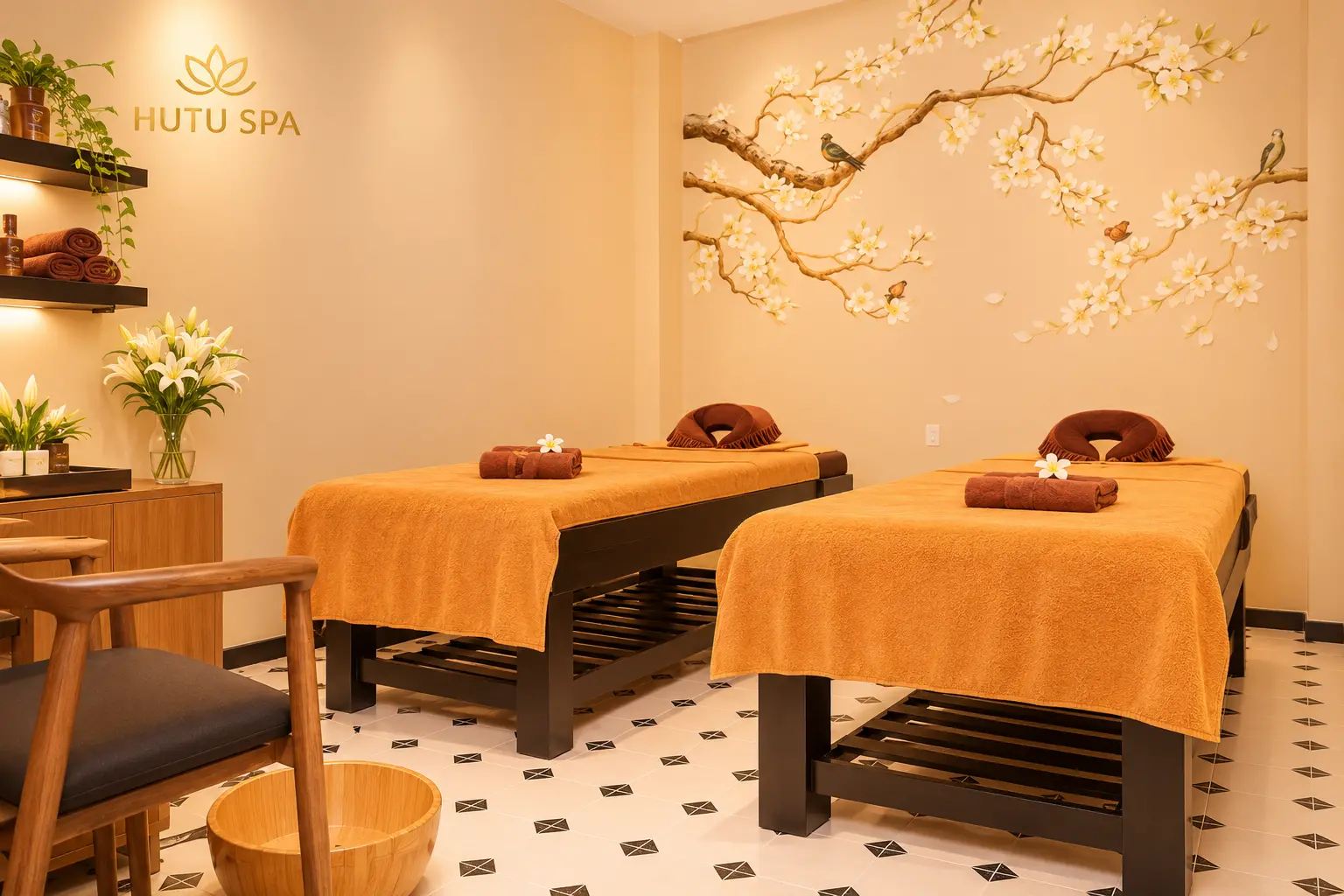
If you are in Nha Trang and looking for a gentle first massage experience, Hutu Spa is located in the city center, making it convenient to reach from nearby hotels. The spa offers a variety of treatments, including Hutu Signature, Thai massage, Aroma essential oil massage, deep tissue massage, foot massage, neck and shoulder massage, children's massage, facial treatments, waxing, and body exfoliation.
- Address: 5 Hong Bang Street, Nha Trang Ward, Khanh Hoa Province, Vietnam.
- Opening hours: Daily from 10:00 AM to 10:00 PM. Reservations are accepted until 9:00 PM.
- Booking: You can book online through the Hutu Spa website or call the hotline at 0396 161 183. You can also contact the spa via Zalo, Viber, WhatsApp at +84 396 161 183, KakaoTalk, or WeChat. Your appointment is confirmed once a staff member contacts you.
- Payment methods: Cash, bank transfer, Visa, or Mastercard.
- Languages: The website is available in Vietnamese, English, Korean, Russian, and Chinese, making it convenient for international guests to get in touch.
- After your treatment: According to the spa's published information, guests are offered a welcome drink and dessert.
The Hutu Spa website currently displays a Google rating of 4.9 stars based on more than 1,745 reviews. We encourage you to read customer feedback yourself and compare it with your needs, following the spa selection advice discussed earlier in this guide.
Frequently Asked Questions About Your First Massage
What Should I Bring for My First Massage?
You do not need to bring much. A clean change of clothes is useful if you are coming directly from the beach. You may also want to bring a hair tie if you have long hair and sunscreen if you plan to go outdoors afterward. Leave jewelry and valuables at your hotel.
Do I Have to Remove All My Clothes for My First Massage?
No. You decide what makes you comfortable. You will lie underneath a towel or sheet, and your therapist will only uncover the area being treated while keeping the rest of your body covered. If you feel uncomfortable, let your therapist know before the session begins.
Should I Shower Before Getting a Massage?
Yes. A quick shower is recommended to remove sweat, seawater, and sunscreen. This helps you feel more comfortable and makes the treatment more convenient for your therapist. You do not need an extensive shower or body exfoliation.
What Should I Eat Before a Massage?
Eat a light meal approximately 1 to 2 hours before your appointment. Avoid being either too full or too hungry. It is also best to limit greasy foods, alcohol, and strong coffee before your massage.
Which Massage Is Best for First-Time Visitors?
Start with a gentle treatment such as Aroma essential oil massage, Hutu Signature, or foot massage. Once you understand your preferred pressure level, you can consider trying Thai massage or deep tissue massage.
Does a First Massage Hurt?
A massage should not cause sharp pain. You may feel some pressure around tight muscles, but the sensation should remain tolerable and comfortable. If you experience pain, tell your therapist immediately so they can reduce the pressure or change the technique.
Should I Choose 60 or 90 Minutes for My First Massage?
Choose 60 minutes for a full-body massage. This duration gives your body enough time to relax without making the session too long. If you want a slower and more thorough treatment during your next visit, you can upgrade to 90 minutes.
Do I Need to Tip After My First Massage?
Tipping is optional and is not mandatory. The quality of your massage should not depend on whether you leave a tip. If you are satisfied and would like to express your appreciation, you can ask the receptionist how to give a tip directly to your therapist.
Can I Get a Massage for the First Time If I Am Pregnant?
You should consult your pregnancy care provider first. When booking, clearly inform the spa that you are pregnant so the staff can advise you on an appropriate treatment. Do not independently choose hot stone massage or strong pressure treatments.
Does Hutu Spa Welcome First-Time Visitors and International Guests?
Yes. Simply mention that this is your first massage when making your reservation. According to the information on its website, the spa supports international guests through communication channels such as Zalo, KakaoTalk, and WhatsApp.
Conclusion
What should you prepare for your first massage? The answer is simple: eat a light meal, drink enough water, take a quick shower, wear loose clothing, arrive a few minutes early, and communicate honestly with your therapist about your health, areas of tension, and preferred pressure. Your therapist will take care of the rest. Remember that you always have the right to speak up, request lighter pressure, or stop the session. Your first massage is simply an opportunity to discover what feels best for your body.
If you are in Nha Trang, contact Hutu Spa with your party size, preferred massage type, and desired appointment time. Simply mention that it is your first visit, and our team will guide you through every step.
This article is intended for informational purposes only and does not replace professional medical advice.