You have just stepped out of the massage room, feeling lighter and more relaxed, with the subtle scent of essential oils still lingering on your skin. Then a familiar question comes to mind: should you shower after a massage? Some people say you should shower immediately to wash off the oil, while others advise avoiding water for the rest of the evening. Both opinions sound reasonable, making it easy to feel unsure as you leave the spa.
Quick answer: Yes, you can shower after a massage. However, you should avoid showering immediately, especially with cold or excessively hot water. A good rule of thumb is to rest for approximately 30 to 60 minutes before taking a short shower with comfortably warm water. Dry yourself thoroughly and keep warm afterward. If your massage involved oil and your skin feels comfortable, you can leave the oil on until the following morning.
This article brings together recommendations from Vietnamese health and spa websites, compares them with practical insights from HUTU SPA Nha Trang, and explains what to do after different types of massage. You will learn how long to wait before showering, whether warm or cold water is better, whether massage oil needs to be washed off, when to shower after a hot stone massage, and which people should take extra precautions.
Quick summary
- You can shower after a massage, but avoid doing so immediately. Wait at least 30 minutes, ideally 60 minutes.
- Choose comfortably warm water. Avoid extremely cold or scalding hot water.
- Keep your shower short, around 5 to 10 minutes. Dry yourself thoroughly and put on warm clothing afterward.
- Oil massage: You do not have to wash off the oil immediately. If your skin feels sticky or uncomfortable, shower after resting sufficiently.
- Hot stone massage and deep tissue massage: Wait a little longer and prioritize warm water.
- People with low blood pressure, cardiovascular conditions, pregnant women, and older adults should consult a healthcare professional and take extra care when showering.
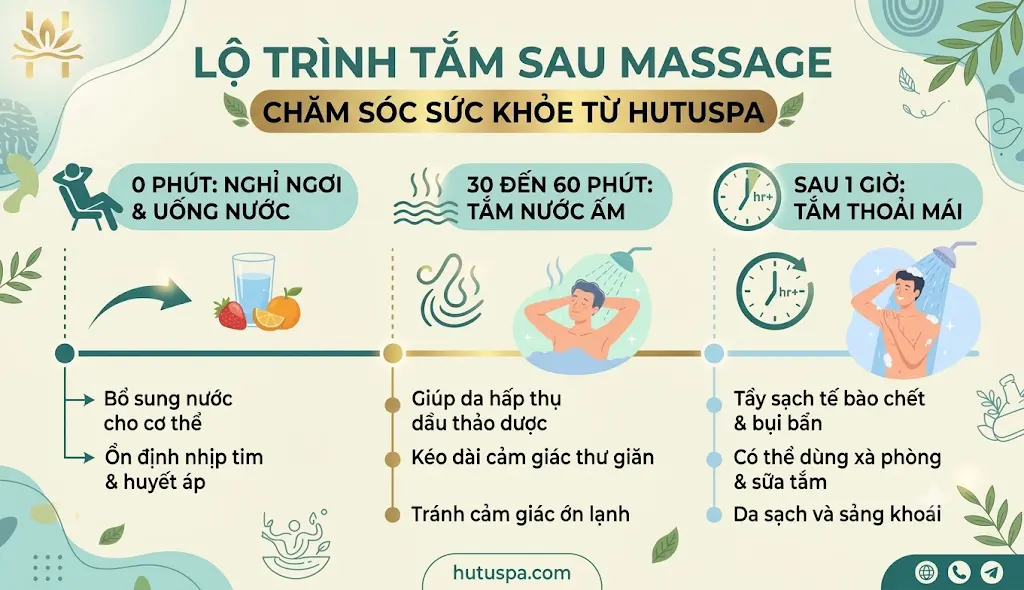
Should you shower after a massage?
The short answer is yes, but there is no need to rush. Almost no source completely prohibits showering after a massage. The health and spa websites we reviewed generally agree on one point: showering after a massage is not forbidden. You simply need to choose the right time and water temperature.
The main difference lies in how long you should wait. Some articles recommend resting for several hours, while others suggest that 30 to 60 minutes is sufficient. Some also emphasize that whether you shower depends on how you feel. In reality, there is no strict medical standard specifying an exact waiting time. Therefore, the safest practical approach is to allow a reasonable interval of approximately 30 to 60 minutes and adjust it according to your body's condition. If you still feel lightheaded, unusually warm, or slightly dizzy, rest longer instead of rushing into the shower.
One important point to remember is that the question "Should you shower after a massage?" actually involves three smaller questions: When should you shower? What water temperature should you use? And do you need to wash off the massage oil? The following sections address each of these questions.
Why do many people advise against showering immediately after a massage?
The advice to "avoid showering immediately" appears frequently in various sources, from news publications to spa websites. The most commonly mentioned reasons are not mysterious or superstitious. They mainly concern how your body feels immediately after a massage.
Your body is warm, relaxed, and circulation is stimulated
After a massage session, your muscles feel softer, your blood vessels may be more dilated, and your body often feels warmer. According to a summary article on Biyokea, your body temperature may be higher than usual and circulation may be stimulated at this point. A sudden exposure to cold water may therefore cause dizziness, headaches, or chills. VnExpress also reports recommendations to rest for several hours before showering, suggesting that immediate exposure to cold and moisture may be uncomfortable while your body is still warm and relaxed.
Cold water can interrupt your feeling of relaxation
An article by Vietnamnet, citing WebMD, suggests that showering immediately after a massage, particularly with cold water, may cause thermal discomfort and blood vessel constriction, potentially affecting circulation. Although describing this as "thermal shock" may be an exaggeration for healthy individuals, one practical point remains clear: very cold water can cause muscles to tense up, interrupting the pleasant feeling of relaxation you have just experienced.
Excessively hot water is not ideal either
On the other hand, scalding hot water causes further blood vessel dilation and may contribute to a slight drop in blood pressure, dizziness, fatigue, or dehydration. People who already have low blood pressure, those who have dozed off during their massage, or anyone who stands up too quickly may be more susceptible to these effects.
Massage oil needs a little time
For oil-based massages, many spas recommend not washing the oil off immediately because the skin can continue to benefit from its moisturizing properties and retain the pleasant fragrance. This explanation is more practical than strictly scientific, but it reflects something easy to understand: when your skin still feels smooth and the essential oil scent remains pleasant, you may simply want to enjoy those sensations a little longer.
Is there scientific evidence supporting a specific waiting time?
The honest answer is that there is currently no official medical guideline specifying an exact number of minutes. Recommendations such as 30 minutes, 60 minutes, or several hours are based primarily on practical experience. They are reasonable suggestions because they help you avoid sudden temperature changes, but you do not need to worry excessively if you happen to shower earlier. Treat these timeframes as recommendations for greater comfort, not strict rules.
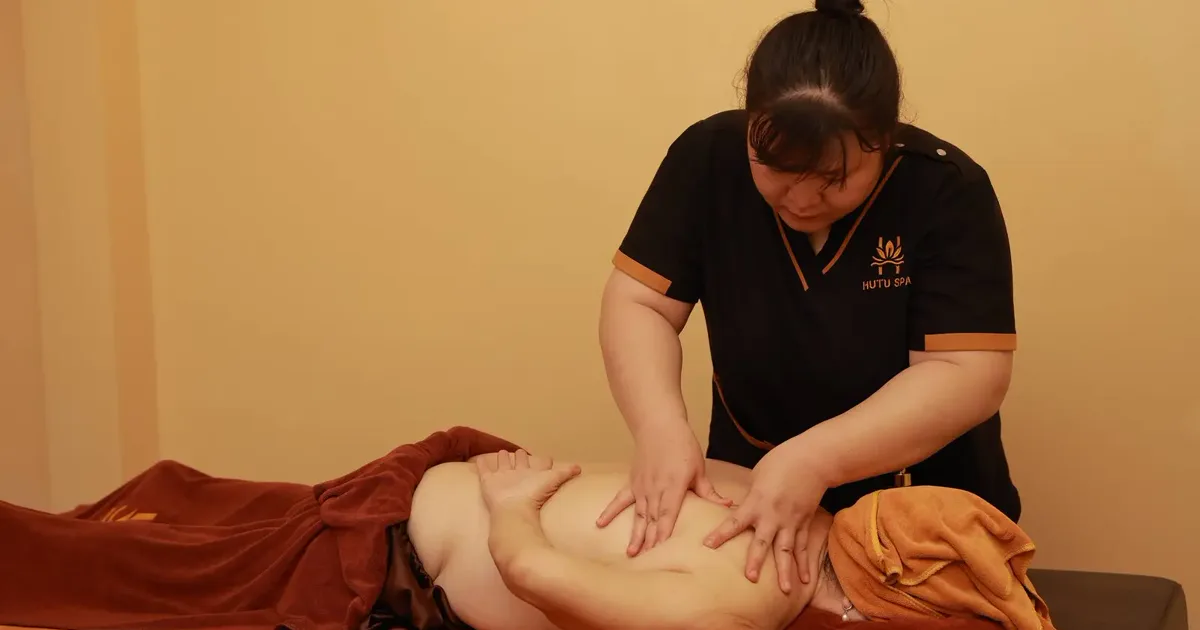
How long should you wait before showering after a massage?
This is one of the most frequently searched questions about post-massage care. The table below summarizes recommended waiting times for common types of massage. These are general guidelines for healthy individuals and do not replace instructions from your doctor or massage therapist.
| Massage type | Recommended waiting time | Water temperature | Key considerations |
|---|---|---|---|
| Relaxation massage and Aroma essential oil massage | 30 to 60 minutes | Warm | You can leave the oil on until the following morning if your skin feels comfortable. |
| Hot stone massage and Hutu Signature | At least 30 minutes, ideally 60 minutes | Warm | Your body has already been warmed, so avoid cold showers. |
| Traditional Thai massage | 30 minutes | Warm | Usually involves little oil, so you can shower sooner if you feel sweaty or uncomfortable. |
| Foot reflexology massage | 15 to 30 minutes | Warm | Wash your feet if necessary, dry them thoroughly, and wear non-slip slippers. |
| Neck, shoulder, and back massage | 30 to 60 minutes | Warm | Avoid exposing your neck to cold air after showering. |
| Deep tissue massage | Approximately 60 minutes | Warm | Warm water may help soothe mild muscle soreness. |
If you prefer a single easy-to-remember rule, rest for at least 30 minutes, drink some water, and then take a warm shower. Waiting up to 60 minutes is even better when possible. Biyokea also recommends resting for 30 to 60 minutes and choosing warm water while avoiding drafts if you need to shower. An article on Amare additionally notes that a warm shower approximately one hour after a deep tissue massage may help soothe mild soreness.
When can you shower earlier?
There are situations in which washing your skin sooner than the usual recommended timeframe may be appropriate:
- Your skin feels excessively oily, sticky, itchy, or uncomfortable.
- You experience burning, excessive warmth, or itching in areas where massage oil was applied, which may indicate irritation.
- You are about to go outdoors in strong sunlight or visit the beach and need to remove the oil before UV exposure.
- You are sensitive to fragrances and the essential oil scent is giving you a headache.
In these situations, first remove some of the oil with a warm towel. Rest for a few minutes until your body feels settled, then take a quick shower with warm water.
When should you wait longer?
If you feel lightheaded, exhausted, dizzy when standing up, or have just completed a particularly long massage session, extend your resting period to 60 minutes or longer. If your massage takes place in the evening, you can simply shower before going to bed instead of rushing to shower as soon as you return to your accommodation.
Should you use hot or cold water after a massage?
In short, choose warm water. This is one of the points on which almost all sources agree.
Cold water causes the skin and muscles to contract suddenly. When your body is already warm and relaxed after a massage, this temperature change may cause shivering, headaches, or chills. It can also quickly interrupt your feeling of relaxation.
Scalding hot water causes further blood vessel dilation and may leave you feeling tired or dizzy, particularly if you have low blood pressure. Skin that has just been massaged and exposed to oil and friction may also become more irritated when exposed to excessively hot water.
Comfortably warm water offers the best balance. Simply place your hand under the running water. If it feels comfortable and does not cause skin redness, the temperature is generally suitable. Keep your shower short, around 5 to 10 minutes, then dry yourself immediately and put on warm clothing, especially if you are in an air-conditioned room.
There is one small exception: if a particular muscle area has recently sustained an acute injury, consult a healthcare professional about whether heat or cold is appropriate. Each approach may be suitable for different stages of an injury. The following section explains this in more detail.
Do you need to shower after an oil massage?
This is a common concern among female clients, people with oily skin, and anyone who prefers feeling completely clean. The answer is that showering is not mandatory. It depends on your personal comfort.
Treatwell, a spa booking platform in the UK, recommends leaving oil on the skin for as long as possible to allow it to work. On the other hand, HUTU SPA explains in its article about Aroma essential oil massage that there is no mandatory rule about how long you must keep the oil on your skin. You can wipe it off with a towel or take a warm shower when you return, as long as you feel comfortable. These two perspectives are not contradictory. Keeping the oil on your skin is an option if you enjoy the fragrance and smooth feeling, while washing it off is equally reasonable if it makes you uncomfortable.
Leaving massage oil on your skin: When is it appropriate?
You can leave the oil on until the following morning if:
- Your skin does not feel itchy or irritated, and no rash has appeared.
- You are not going out in strong sunlight or heading to the beach immediately afterward.
- You do not mind getting some oil on your bedsheets. You can also place a large towel over your bedding.
- You do not have acne-prone or excessively oily skin on areas such as your back or chest, where oil may contribute to clogged pores.
Washing off massage oil: How should you do it gently?
If you decide to wash off the oil, use warm water and a small amount of gentle body wash. Scrubbing too hard with a loofah or exfoliating immediately after a massage may cause redness because your skin has already experienced considerable rubbing and pressure. After showering, you can apply a thin layer of moisturizer if your skin feels dry.
Should you test massage oil for allergies beforehand?
Yes, especially if you have sensitive skin. Natural essential oils are not necessarily free from allergic reactions. Contact dermatitis can develop within several hours or even a few days. If your skin becomes red, itchy, or develops a rash the following day, wash the affected area with water, stop using the product, and consult a dermatologist if the symptoms do not improve. When booking your appointment, let the spa know which fragrances you want to avoid and whether you have any skin concerns so the team can prepare accordingly.
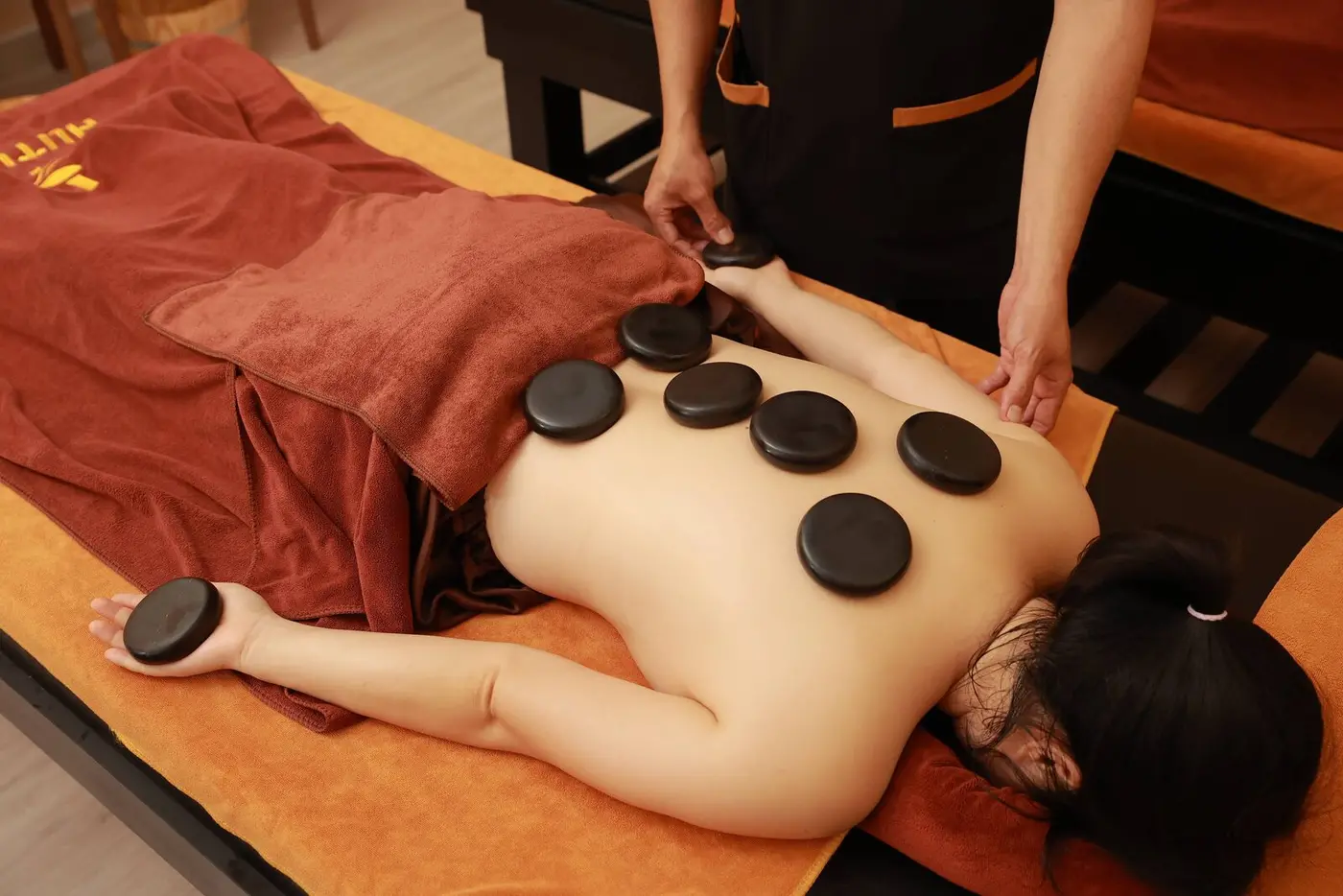
When can you shower after a hot stone massage?
Hot stone massage uses warmed basalt stones placed along your back and other areas of tension. The heat from the stones helps muscles relax more quickly, so your body may feel warmer and more deeply relaxed after this treatment than after a conventional massage.
Because your body has already been warmed externally, taking a cold shower immediately afterward is one of the least advisable options. A reasonable guideline is to wait at least 30 minutes, ideally around 60 minutes, before showering with warm water. Some sources recommend a similar interval of at least 30 minutes after a hot stone massage. They also particularly advise people with sensitive skin not to shower immediately, as this may increase the risk of irritation.
If you choose the Hutu Signature treatment, which combines essential oils and volcanic stones, your skin will be exposed to both massage oil and warmth. You can ask the therapist to remove excess oil with a warm towel while you are still at the spa, return to your hotel and rest for approximately one hour, then take a warm shower before bedtime.
How should you shower after Thai massage, foot massage, and neck and shoulder massage?
Thai massage
Thai massage typically combines pressure applied along the body with passive stretching movements similar to yoga. Clients wear comfortable clothing during the treatment, and massage oil is generally used less frequently. You may sweat during sessions involving extensive stretching. After resting for approximately 30 minutes, you can take a quick warm shower if you feel sweaty or uncomfortable. Since your muscles have been stretched extensively, avoid strenuous movements or sudden bending while showering.
Foot reflexology massage
After a foot massage, your feet may feel relaxed and soft, with some massage oil or essential oil still on the skin. The main concern is not really whether you shower too early or too late, but the risk of slipping. A wet bathroom floor combined with oily feet can easily cause a fall. Dry your feet thoroughly, wear non-slip slippers, and hold onto a handrail if one is available. Many people also enjoy soaking their feet in warm water before bedtime to prolong the feeling of relaxation.
Neck, shoulder, and back massage
The neck and back of the head are particularly vulnerable to cold exposure. After showering, dry your neck and the back of your head thoroughly. Avoid directing a fan or air conditioner toward these areas. If you wash your hair, dry it with a hairdryer or wrap it securely in a towel. Sitting down to work immediately after a neck and shoulder massage is also not ideal, as your muscles may quickly become tense again. Instead, stand up, walk around gently, and stretch for a few minutes.
Is a hot shower advisable after a deep tissue massage if your muscles feel sore?
Deep tissue massage applies stronger pressure to muscles and connective tissues. Some people experience mild soreness the following day, similar to the feeling after exercise. This discomfort is generally mild and usually subsides within one to two days.
Warm water after approximately one hour may help ease this soreness because gentle warmth can make your muscles feel softer and more comfortable. However, if you have an acute injury, such as a sprain or newly developed swelling and pain, heat therapy is not always appropriate. HUTU SPA has a detailed guide on whether to use hot or cold compresses for muscle pain, explaining how to distinguish between the two approaches and identify warning signs that require medical attention.
You should seek medical attention or consult a healthcare professional if you experience any of the following after a massage:
- Severe pain that continues to increase rather than improve.
- Significant swelling, extensive bruising, or prolonged numbness.
- Unusual exhaustion, dizziness, or persistent nausea.
- Severe itching, widespread redness, or an extensive skin rash.
Massage is not a substitute for medical treatment. If your pain persists or you develop unusual symptoms, do not wait for another massage session. Seek medical advice instead.
Should you wash your hair after a massage?
In principle, you can wash your hair after a massage, provided you allow enough time to rest and use warm water. The main concern is having wet hair in a cold room or going outside in windy conditions while your body is still warm and relaxed. This may leave you feeling uncomfortable or trigger a headache.
Some spas include a hair wash in their head massage packages. If you have already washed your hair, drying it thoroughly is advisable. If your hair is still wet and you need to ride a motorbike or walk a long distance, wrap it in a towel or wear a helmet. If you want to avoid the inconvenience, wash your hair before going to the spa and simply shower your body afterward.
Does showering after a massage reduce its benefits or wash away "toxins"?
There is a fairly common belief that massage "releases toxins through the skin," meaning that showering immediately afterward would wash away all the benefits. This idea may sound convincing, but it does not have a clear scientific basis.
Sources specializing in pain science and massage, such as Pain Science, point out that massage does not release a significant amount of "toxins" into the bloodstream, and drinking extra water does not "flush them out" either. The actual benefits of massage include relaxation, reduced muscle tension, lower perceived stress, and improved sleep for many people. These benefits do not disappear simply because you take a shower.
Similarly, the idea that cold water "closes your pores and traps toxins inside" is an oversimplification. Pores do not open and close like doors. What actually happens is that your body responds to temperature changes. This is why avoiding excessively cold or hot water is a sensible precaution.
So why do massage therapists still recommend drinking water? Because drinking water after a massage is harmless and can help you feel more comfortable, particularly if you have been sweating or have just left a steam room. Treatwell recommends drinking room-temperature water because it is comfortable to consume. Drink water because your body needs hydration, not because you need to "flush out toxins."
Who should take extra precautions when showering after a massage?
For generally healthy individuals, showering after a massage carries very little risk when you allow enough time to rest and choose warm water. However, certain groups should be more cautious and consult a healthcare professional beforehand:
- People with low blood pressure: Hot water and standing up too quickly may cause dizziness. Wait until you have rested sufficiently and use comfortably warm water.
- People with high blood pressure or cardiovascular conditions: Sudden temperature changes may place additional strain on the heart. Choose warm water, keep showers short, and avoid extremely cold water.
- People with diabetes: Skin sensitivity to temperature may be reduced. Test the water temperature with your hand before showering and check your skin afterward.
- Pregnant women: Consult your doctor about the appropriate massage type, massage oils, and water temperature, as not every treatment or essential oil is suitable during pregnancy.
- Older adults: Consider having someone nearby or using a bathroom equipped with handrails and non-slip flooring.
- People with sensitive skin or skin conditions: Wash off the oil if you experience itching or irritation, and monitor your skin over the following one or two days.
- People taking medication or living with underlying medical conditions: Consult your doctor before visiting a spa.
Additionally, avoid showering immediately after drinking alcohol or when you are extremely hungry or exhausted. These conditions may increase the risk of dizziness and falls.
Combining a beach day with a massage in Nha Trang: How should you shower?
If you are visiting Nha Trang, a typical itinerary might include a morning at the beach, a midday break, and a massage in the afternoon or evening. With this schedule, post-massage bathing is relatively straightforward. You will already have rinsed off with fresh water after swimming, so you can arrive at the spa with clean skin and simply rest afterward before taking a gentle shower when you return to your hotel.
The situation is different if you need to go to the beach or spend time in direct sunlight immediately after your massage. Certain essential oils may increase your skin's sensitivity to sunlight. In this case, wash off the oil, protect your skin, and apply sunscreen. The most practical schedule is still to visit the beach in the morning and book your massage in the late afternoon or evening.
If your facial skin feels dry, tight, or irritated after a day in the sun, read our additional guide on facial skincare after a beach day in Nha Trang to understand when a facial treatment is appropriate and when it is better to postpone it.
Should you shower before or after a massage?
Many people wonder whether it is better to shower before or after a massage. In practice, you can do both, but showering before your appointment offers several clear benefits.
Showering before a massage removes sweat, dust, and sunscreen, making the therapist's work more comfortable and helping keep your skin clean. Warm water can also help your body relax before the treatment begins. An article on Amare similarly suggests that the easiest approach is to shower beforehand and only shower again afterward if you need to remove massage oil.
Therefore, a good routine is to take a warm shower at your hotel or home before visiting the spa, arrive 5 to 10 minutes early, and then rest and drink water after your massage. Once you return home, rest a little longer and shower again if necessary.
7 steps to follow after a massage
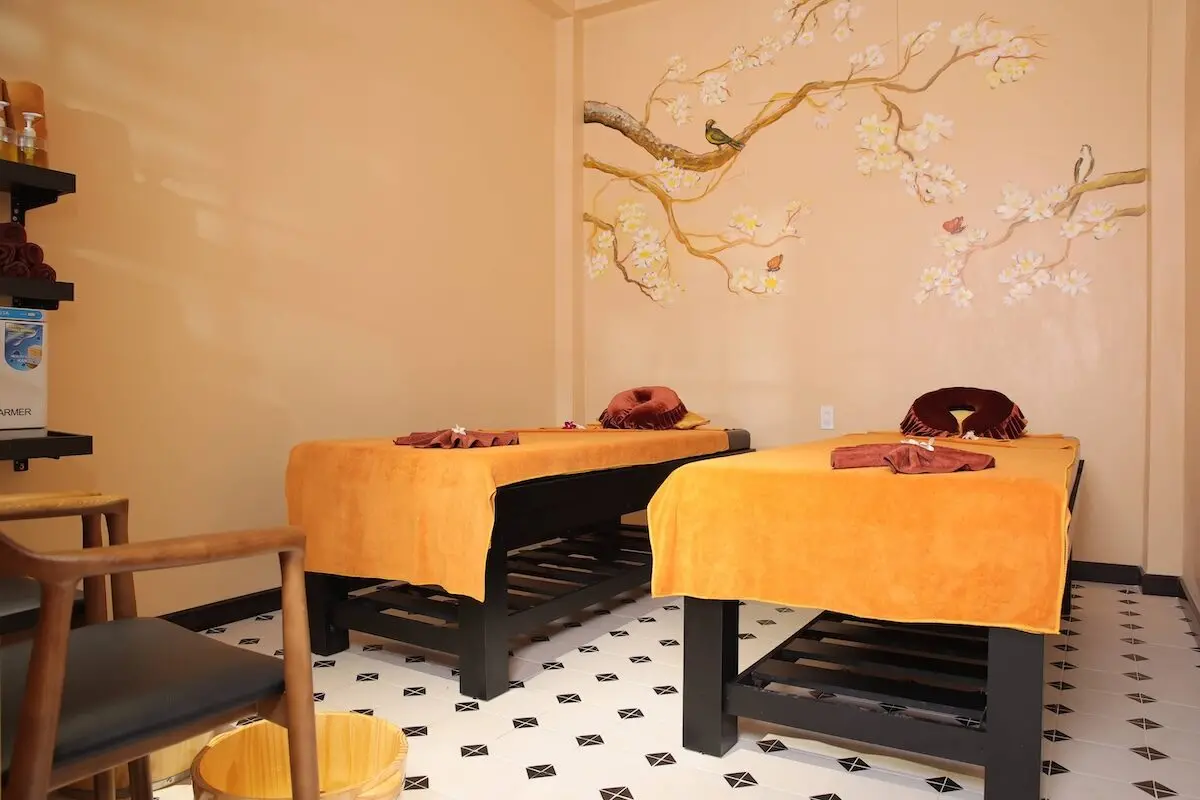
- Sit up slowly. Remain seated for a few seconds before standing to avoid dizziness. If your feet are still oily, place them carefully on the floor.
- Drink a glass of water. Room-temperature water is a comfortable choice. Avoid alcohol and strong coffee immediately afterward.
- Keep warm. Wear comfortable clothing that provides enough warmth, particularly around your neck, shoulders, and back. Avoid sitting directly under cold air-conditioning.
- Rest for 15 to 30 minutes. Sit back, enjoy some warm tea, or listen to music. If possible, avoid returning to your desk immediately.
- Take a warm shower once your body has settled. Keep it to approximately 5 to 10 minutes, dry yourself thoroughly, and put on clean, dry clothes.
- Apply a light moisturizer if needed. If your skin feels dry after washing off the oil, apply a thin layer of moisturizer.
- Rest and avoid strenuous exercise. Your muscles are in a relaxed state, and activities such as weight training or running immediately after a massage may place excessive strain on them. Some sources recommend resting for 12 to 24 hours before returning to intense exercise.
Common mistakes when showering after a massage
- Taking a cold shower immediately after getting off the massage table. This is one of the most common mistakes because many people want to remove the oil and feel refreshed right away.
- Using excessively hot water to "detoxify." Scalding hot water does not detoxify your body. It may simply leave you feeling tired or dizzy.
- Scrubbing vigorously with a loofah or exfoliating your skin. Your skin has just undergone massage and may be more prone to redness and irritation.
- Washing your hair and going outside with it still wet. This may cause discomfort or headaches, particularly in cold or windy conditions.
- Failing to dry your neck, the back of your head, and your back thoroughly. These areas should be kept warm after showering.
- Going into direct sunlight or swimming immediately without removing the oil or applying sun protection.
- Ignoring unusual symptoms. Itching, burning, rashes, or severe pain are reasons to wash off the product, stop using it, and seek medical attention if symptoms do not improve.
Tips for booking a massage so you can shower comfortably afterward
A little planning beforehand can help you enjoy a more complete experience, especially when traveling:
- Choose a late-afternoon or evening appointment. You can return to your hotel, rest, and shower before bedtime without rushing.
- Inform the spa about skin conditions, allergies, pregnancy, or injuries. This information helps the spa select suitable oils and adjust the massage pressure.
- Ask about the massage oil and oil-removal options. If you do not want to leave oil on your skin, ask the therapist to wipe off some of it before you leave the treatment room.
- Bring a light jacket. This is useful when your hotel room or vehicle has cold air-conditioning.
- Arrive 5 to 10 minutes early. Arriving late may result in a shorter massage session.
Book your massage at HUTU SPA Nha Trang
If you are in Nha Trang and looking for a relaxing massage experience, HUTU SPA is located at 5 Hong Bang Street, Nha Trang Ward, Khanh Hoa, in the city center. The spa is open daily from 10:00 AM to 10:00 PM, with the last appointment accepted at 9:00 PM. This makes an evening appointment a convenient option, allowing you to return to your accommodation, relax, and shower comfortably afterward.
According to the price list dated November 2, 2026, some popular treatments include:
| Treatment | Duration | Regular price | Monday to Friday price |
|---|---|---|---|
| Aroma essential oil massage | 60 minutes | VND 340,000 | VND 310,000 |
| Hutu Signature (essential oils and hot stones) | 60 minutes | VND 380,000 | VND 340,000 |
| Neck, shoulder, and back massage | 30 minutes | VND 255,000 | VND 230,000 |
| Foot massage | 30 minutes | VND 160,000 | VND 140,000 |
The spa also offers a 10% discount on Saturdays and Sundays. From Monday to Friday, guests receive 10% off treatments lasting 30 to 60 minutes and 20% off treatments lasting 90 to 120 minutes. Promotions may change, so please check the latest price list before visiting. You can book your appointment online or call the hotline at 0396 161 183. You can also contact the spa via Zalo, WhatsApp, or KakaoTalk for treatment recommendations and advice from the therapists on post-massage care.
Frequently asked questions about showering after a massage
Can you shower immediately after a massage?
Yes, you can shower after a massage, but you should avoid doing so immediately. Rest for at least 30 minutes, ideally around 60 minutes, before taking a warm shower. Showering immediately, especially with cold or excessively hot water, may cause dizziness, chills, or headaches.
How long should you wait before showering after a massage?
The commonly recommended waiting time is 30 to 60 minutes. After a hot stone massage or deep tissue massage, it is better to wait closer to 60 minutes. After a foot massage or Thai massage involving little oil, you may be able to shower sooner, after approximately 15 to 30 minutes, if you feel sweaty or uncomfortable.
Should you use hot or cold water after a massage?
Use comfortably warm water. Cold water may cause sudden muscle contraction, while scalding hot water may contribute to low blood pressure, fatigue, and dizziness. Keep your shower to approximately 5 to 10 minutes, dry yourself thoroughly, and put on warm clothing afterward.
Do you need to shower after an oil massage?
Not necessarily. If your skin feels comfortable, you can leave the oil on until the following morning. If your skin feels sticky or itchy, or you are about to go outdoors in the sun, take a warm shower after allowing enough time to rest.
Does showering after a massage reduce its benefits?
No. The main benefits of massage, such as relaxation and reduced muscle tension, are not lost when you shower. The belief that showering washes away toxins does not have clear scientific evidence. What matters more is avoiding sudden temperature changes.
Can you go out in the sun after a massage?
Try to avoid direct sunlight if you have just had an oil massage, as certain essential oils may make your skin more sensitive to sunlight. If you need to go outside, wash off the oil, protect your skin, and apply sunscreen.
Can pregnant women shower after a massage?
Pregnant women should consult their healthcare provider before receiving a massage and ask about suitable shower temperatures. When booking an appointment, inform the spa that you are pregnant so the team can recommend an appropriate treatment.
Conclusion
Should you shower after a massage? Yes, you can absolutely shower, provided you do not do so immediately and choose warm water. Remember three simple steps: rest for approximately 30 to 60 minutes, drink a glass of room-temperature water, then take a short warm shower and keep yourself warm afterward.
If you enjoy the fragrance and smooth feeling of massage oil, you can leave it on until the following morning. If your skin feels sticky or you are about to go outdoors in the sun, you can wash it off after resting sufficiently. There is no single answer that applies to everyone because your body's comfort is the most important consideration. If you have an underlying medical condition or are pregnant, consult your healthcare provider beforehand.
This article is intended for informational purposes only and is not a substitute for professional medical advice.