Are you planning to wear a sleeveless top, a dress with open shoulders, or head to the beach while still having unwanted underarm hair? Shaving only keeps the area smooth for a few days before stubble returns. Plucking can be painful and may cause inflammation, while depilatory creams are not suitable for every skin type. That is why many people consider underarm waxing, but often have three questions: Does it hurt? Can it cause dark underarms? And is it better to wax at home or visit a spa?
This article brings together everything you should know before getting your underarms waxed. Based on recommendations from medical and dermatological sources, along with practical spa booking considerations, you will learn how waxing works, who should avoid it, how to prepare, what a professional waxing procedure involves, how to care for your skin during the first 48 hours, and which warning signs require medical attention. At the end, you will also find booking information for Hutu Spa at 5 Hong Bang Street, Nha Trang.
Quick overview of underarm waxing
If you only have a minute, here are the most important things to know:
- What is underarm waxing? A hair removal method that uses wax to pull hair out from the follicles, unlike shaving, which only cuts hair at the skin's surface.
- Does it hurt? You may feel a brief stinging sensation for a few seconds when the wax is removed. The underarm area is delicate, so it can be more sensitive than the arms or legs. However, the discomfort is usually short-lived and may decrease with regular waxing.
- How long does it take for hair to grow back? Usually around 3 to 4 weeks, depending on your body and individual hair growth rate.
- Can it cause dark underarms? Proper waxing on healthy skin, followed by appropriate aftercare, does not usually cause darkening. Discoloration is more likely when the skin becomes inflamed, burned by hot wax, or exposed to excessive friction.
- Ideal hair length: Approximately 0.5 cm, about the length of a grain of rice, so the wax can grip the hair effectively.
- Where should you get it done? Beginners and people with sensitive skin should consider a spa with experienced technicians and single-use hygiene equipment.
- When should you avoid waxing? Do not wax sunburned, scratched, or inflamed skin, or while using certain retinoid medications without medical guidance.
What is underarm waxing and how does it work?
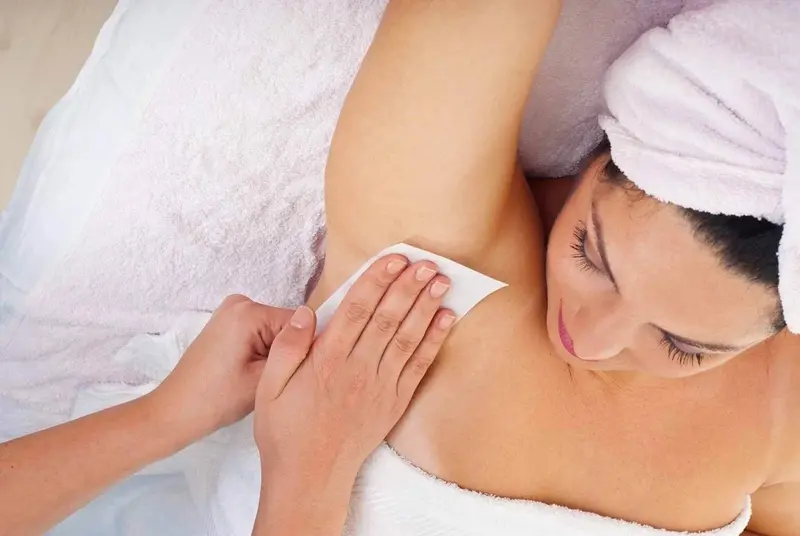
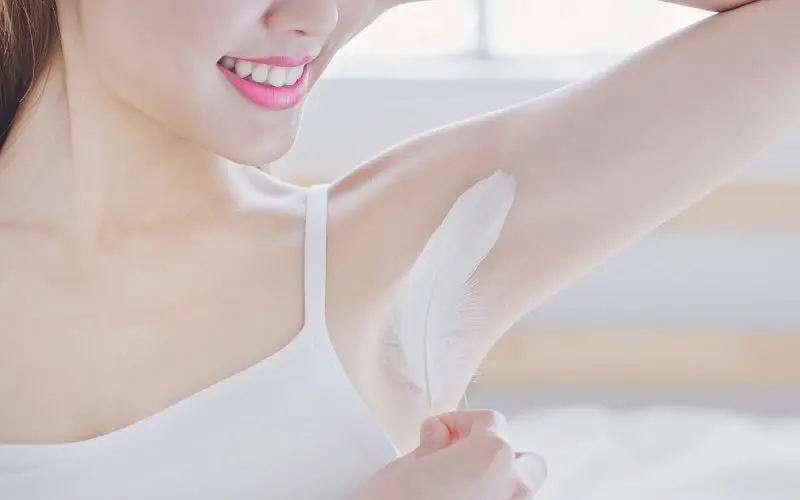
Underarm waxing is a temporary hair removal method. A technician applies a layer of wax to the underarm area, places a paper or fabric strip over it, and then removes it with a quick, firm motion. The hair is pulled out from the roots rather than simply cut at the surface, allowing the skin to remain smooth longer than it would after shaving.
For first-time clients, the process may sound intimidating. In reality, waxing both underarms usually takes around 10 minutes. Most of that time is spent preparing the skin and soothing it afterward. Your comfort depends largely on the technician's experience, the wax temperature, and the condition of your skin on the day of your appointment.
What is the difference between hot wax and cold wax?
Both types of wax are commonly used for underarm hair removal, but they work in slightly different ways.
Hot wax is warmed until it reaches a soft, spreadable consistency. It is applied to the skin, allowed to cool slightly, and then removed. Hot wax adheres firmly to individual hairs, making it suitable for coarse, thick hair such as underarm hair. However, wax that is too hot can cause burns, so temperature control should be handled by an experienced professional.
Cold wax is used at room temperature and usually comes in gel form or as ready-to-use adhesive strips. It is convenient and carries a lower risk of burns. However, it may not grip hair as effectively, sometimes requiring several passes over the same area. Repeated pulling on delicate underarm skin can increase redness, irritation, and discomfort.
When visiting a spa, ask your technician which type of wax they use and why it is suitable for your underarm skin. A professional establishment should be happy to explain the procedure.
Practical benefits and limitations of underarm waxing
Waxing is not a miracle solution. Understanding its limitations will help you set realistic expectations.
Potential benefits:
- Keeps underarm skin smooth and hair-free for approximately 3 to 4 weeks, longer than shaving.
- Regrowing hair may feel finer and softer than blunt hair after shaving, reducing the rough, stubbly sensation.
- Reduces the need for frequent shaving and saves time on weekly grooming.
- The waxing process can also remove some dead skin cells from the surface, helping the skin look cleaner and smoother.
Limitations to consider:
- Waxing does not permanently remove hair. Hair will grow back after several weeks.
- You need to wait until the hair is long enough before your next session, meaning there may be a period when short hair is visible.
- It can cause redness, irritation, small bumps, or ingrown hairs if aftercare is inadequate.
- Regular professional waxing can cost more over time than shaving at home.
Does underarm waxing hurt?
Yes, but the discomfort is usually brief. The underarm area has delicate skin, numerous nerve endings, and often coarse hair, making waxing more noticeable than waxing the arms or legs. Most people describe the sensation as a quick sting or burning feeling that lasts a few seconds before fading.
The level of discomfort depends on several factors:
- Hair length and thickness: Hair that is too short may not adhere properly to the wax, requiring repeated attempts and potentially causing more discomfort.
- Removal technique: Pulling quickly and parallel to the skin while keeping the skin taut can reduce discomfort compared with slow or upward pulling.
- Menstrual cycle: Pain sensitivity may increase around menstruation due to hormonal changes. Some medical professionals recommend avoiding hair removal in sensitive areas during this period.
- Previous waxing experience: With regular waxing, hair may gradually become finer, and the process may feel less uncomfortable over time.
How to reduce discomfort during underarm waxing
- Allow your hair to grow to approximately 0.5 cm. Avoid shaving for a few weeks before your appointment.
- Take a warm shower before your visit to help keep the skin clean and comfortable.
- Breathe deeply and relax your shoulders. Tension in the shoulder muscles can make the underarm area feel tighter and more uncomfortable.
- Tell your technician if this is your first waxing session so they can work on smaller sections and check how you feel.
- Choose an appointment time when you are relaxed and not in a hurry, allowing your body to remain comfortable throughout the session.
How long does it take for underarm hair to grow back after waxing?
Underarm hair typically begins growing back after approximately 3 to 4 weeks. Some sources report a wider range of 2 to 6 weeks because hair growth depends on genetics, hormones, age, and whether you wax regularly.
The important thing is not to wax again too soon, but to wait until the hair reaches an appropriate length. When hair is approximately 0.5 cm long, the wax can grip it effectively and remove it more cleanly in one pass. Waxing hair that is too short may require repeated pulling, increasing redness and the risk of inflammation.
Does waxing make hair grow back thicker?
No. This is a common misconception. Waxing does not increase the number of hair follicles. The impression that hair has become thicker may occur because new hair grows back around the same time after the area has been cleared, making it more noticeable. In contrast, many people find that regular waxing over several months makes their hair appear finer and less dense.
Can underarm waxing cause dark underarms?
This is one of the most frequently asked questions, and the honest answer is that it depends on your waxing technique and individual skin characteristics. Not every waxing session causes skin darkening.
Dermatological sources explain that darkening after waxing may be a form of post-inflammatory hyperpigmentation. When the skin becomes irritated or inflamed, pigment-producing cells may produce more melanin in response, leaving darker patches behind. Medical institutions have reported cases of underarm discoloration following the use of ready-made waxing gels, particularly among people whose skin had already been repeatedly irritated by shaving or plucking.
Common causes of dark underarms after waxing include:
- Wax that is too hot: Excessive heat can cause minor burns that may leave dark marks as the skin heals.
- Repeated pulling over the same area: Multiple passes can damage the skin and trigger inflammation.
- Waxing damaged skin: Sunburn, folliculitis, or recent shaving cuts can make the skin more vulnerable.
- Inadequate aftercare: Scratching, rubbing, excessive sweating, or using irritating products immediately after waxing can worsen inflammation.
- Skin prone to hyperpigmentation: This may be more common in people with naturally darker or sensitive skin.
If you notice dark patches that appear or continue to spread, avoid trying unverified home remedies. Consult a dermatologist to assess the pigmentation and determine an appropriate treatment. Depending on the situation, options may include skincare, chemical peels, or laser treatment.
Comparing waxing with shaving, hair removal creams, and laser hair removal
Before making a decision, it is helpful to compare waxing with other hair removal options. Each method has its own advantages, and there is no single solution that works best for everyone.
| Method | How it works | Hair regrowth | Sensation | Key considerations |
|---|---|---|---|---|
| Shaving | Cuts hair at the skin's surface | After a few days | Usually painless | Can cause small cuts and stubble |
| Hair removal cream | Dissolves hair above the skin's surface | After a few days | Usually painless | May cause irritation; a patch test is recommended |
| Waxing | Pulls hair out from the follicles | Approximately 3 to 4 weeks | Brief stinging during removal | Requires healthy skin and sufficient hair length |
| Laser hair removal | Uses technology to weaken hair follicles | Hair becomes progressively thinner after multiple sessions | Mild stinging, depending on the device | Higher cost and requires multiple sessions |
If you are concerned about pain, shaving or depilatory creams may be more comfortable options, but they require more frequent maintenance. If you want longer-lasting smoothness without committing to multiple laser sessions, waxing can be a reasonable middle ground. Plucking individual hairs with tweezers is generally not recommended because it can be painful, time-consuming, and may cause irritation, ingrown hairs, or dark scars if the skin is accidentally pinched.
Who should avoid underarm waxing?
Waxing is suitable for many people with healthy skin, but certain conditions may require postponing the session or consulting a doctor first:
- Sunburned, scratched, inflamed, or infected skin: Wait until the skin has completely healed.
- Currently taking or recently stopped isotretinoin: Dermatological recommendations commonly advise avoiding waxing for approximately 6 months after treatment because the skin may be fragile and more prone to tearing and scarring.
- Using topical retinoids: You may need to stop using them before waxing, following instructions from your doctor or skincare professional.
- Extremely sensitive skin or existing pigmentation in the underarm area: Waxing may trigger inflammation and worsen discoloration.
- Diabetes, chemotherapy, or existing skin conditions: The skin may be more vulnerable to damage and infection, so medical advice is recommended.
- Pregnancy: Waxing is generally considered acceptable when proper hygiene is maintained, but consult your obstetrician first and inform your technician.
When booking an appointment, be honest about any medications you are taking and your current skin condition. This is not an unnecessary detail; it helps your technician adjust the procedure to keep your skin safe.
How to prepare for underarm waxing
Proper preparation helps reduce discomfort and the risk of folliculitis. Follow this checklist before your appointment.
- Let your hair grow to approximately 0.5 cm. Avoid shaving for several weeks before waxing. If the hair is too long, your technician can trim it safely with scissors.
- Clean your skin. Shower gently and pat the area dry. Avoid applying moisturizer, oil, or deodorant immediately before waxing because these products can prevent the wax from adhering properly.
- Gently exfoliate approximately 24 hours beforehand. This can help release hairs trapped beneath dead skin cells. Avoid vigorous scrubbing close to your appointment because freshly exfoliated skin may be more sensitive.
- Avoid intense sunlight and prolonged hot-water exposure. Skin that is overly softened or sunburned is not suitable for waxing.
- Stop using products that increase skin sensitivity, such as retinol or strong acids, according to professional guidance.
- Wear loose, breathable clothing to minimize friction against freshly waxed skin.
- Choose an appropriate appointment time. If you are more sensitive to pain around your menstrual period, consider scheduling your appointment at another time.
Professional underarm waxing procedure at a spa
Understanding the process can help you feel more comfortable and recognize the signs of a professional spa.

Step 1: Consultation and skin assessment. The technician asks about your medications, skin condition, pregnancy status, and the areas you want waxed. They also check the underarm skin for scratches, inflammation, or sunburn.
Step 2: Clean the underarm area. The skin is gently cleansed and dried. If the hair is too long, the technician trims it before proceeding.
Step 3: Apply wax in the direction of hair growth. The wax is spread in a thin, even layer following the direction of hair growth. Working on small sections helps the technician control the temperature and ensure proper adhesion.
Step 4: Apply and gently press the waxing strip. For wax types that require a strip, a paper or fabric strip is placed over the wax and gently pressed in the direction of hair growth so it adheres firmly to the hair.
Step 5: Remove the strip quickly, against the direction of hair growth, and parallel to the skin. The technician holds the skin taut with one hand and removes the wax firmly with the other. Pulling parallel to the skin rather than upward helps reduce discomfort and prevent skin damage. Immediately afterward, the technician gently presses their palm against the treated area to soothe the brief stinging sensation.
Step 6: Soothe and moisturize the skin. Any remaining wax is removed, the area is cooled, and a soothing gel or cream is applied. You will also receive aftercare instructions for the next 24 to 48 hours.
Both underarms usually take around 10 minutes to complete. If a few stray hairs remain, the technician should use clean tweezers rather than repeatedly waxing the entire section.
Should you wax your underarms at home or visit a spa?
Waxing at home is less expensive per session and allows you to choose your own schedule. However, the underarms are among the most difficult areas of the body to wax yourself. You need to keep the skin taut, apply the wax, and remove it correctly while working in an area that is difficult to see directly. A small mistake may cause the wax to stick to the skin instead of the hair, resulting in redness, scratches, or minor burns.
Here is a quick guide to help you decide:
- At-home waxing may be suitable if you are already experienced, have healthy skin, use equipment that allows proper temperature control, and have performed a patch test on a small area at least 24 hours beforehand.
- Visiting a spa is recommended if this is your first waxing session, you have easily irritated skin, have previously experienced folliculitis, or would like to combine hair removal with a relaxing spa visit.
If you want a more detailed comparison of costs, risks, who should avoid waxing, and how to choose the right timing, read Hutu Spa's article on professional waxing at a spa vs. waxing at home. It also includes additional step-by-step guidance for people who want to wax safely at home.
A note about traditional home remedies such as lemon and sugar mixtures, honey, mink oil, or butter. Many recipes shared online sound gentle, but they have not been adequately verified. Lemon mixtures may irritate the skin or increase sensitivity to sunlight, while homemade wax can become excessively hot. Because underarm skin is naturally delicate, these methods should be approached with caution.
Underarm waxing aftercare: the first 48 hours
How you care for your skin after waxing plays a major role in determining whether you experience redness, irritation, bumps, or discoloration.

During the first 24 hours:
- Apply a cool compress using a clean towel wrapped around ice for approximately 10 to 15 minutes if the skin still feels warm or irritated.
- Apply pure aloe vera gel or a gentle soothing moisturizer.
- Avoid direct sunlight and wear loose, breathable clothing.
- Do not scratch the area or touch your underarms with unwashed hands.
Between 24 and 48 hours:
- Avoid excessively hot showers, steam rooms, and hot baths.
- Avoid swimming in the sea or swimming pools because salt and chlorine may cause irritation, while bacteria can enter through temporarily vulnerable hair follicles.
- Limit the use of deodorants containing alcohol or strong fragrances, and avoid strenuous exercise that causes excessive sweating.
- Continue moisturizing the skin regularly.
From day 3 through the end of the first week:
- Once the skin has completely settled, gently exfoliate approximately once a week.
- Apply sunscreen if your underarms are regularly exposed to sunlight.
- Avoid plucking or shaving newly growing hair so that the next waxing cycle can be more effective.
When should you see a dermatologist? If redness, swelling, or pain persists for more than two days, or if you notice pus or develop a fever, seek medical attention promptly. Do not apply products or medications of unknown origin on your own.
How to manage ingrown hairs and small bumps after waxing
Ingrown hairs occur when newly growing hair becomes trapped beneath dead skin cells or inside an inflamed hair follicle. To reduce the risk:
- Gently exfoliate once a week after your skin has fully recovered.
- Keep the skin moisturized and use products that do not clog pores.
- Do not squeeze bumps or use unclean tweezers to dig out hairs when the area is inflamed.
- Wear loose clothing around the underarms to minimize friction.
If you want to maintain smoother skin across your body, a professional full-body exfoliation treatment at a spa can help remove dull surface skin more evenly and gently than aggressive at-home scrubbing. Schedule exfoliation approximately one day before waxing rather than on the same day to avoid making the skin excessively sensitive.
If painful red bumps contain significant pus or spread around the hair follicles, they may indicate folliculitis and should be assessed by a doctor.
When should you get underarm waxing before a beach vacation?
If you are visiting Nha Trang or another beach destination and want smooth underarms when wearing swimwear, timing matters. Waxing immediately before heading into the sea is a common mistake. Saltwater, strong sunlight, sand, and chlorine can all irritate freshly waxed skin and cause bumps.
Here is a suggested schedule:
- Wax 1 to 2 days before going to the beach to give your skin time to recover.
- Alternatively, wax at the end of your trip if you no longer have swimming activities planned.
- Bring aloe vera gel and suitable sunscreen for sensitive skin.
- Never wax sunburned skin. Allow it to cool down and recover fully before scheduling a session.
If your trip includes several outdoor activities, our article on relaxing during a one-day trip to Nha Trang can help you organize your beach activities, dining, and spa visits without overlapping schedules.
How to choose a reputable underarm waxing spa
A good waxing experience depends not only on the removal technique but also on hygiene and consultation procedures. When choosing a spa, check the following points:
- Strict hygiene standards: Technicians should never dip a used applicator back into a shared wax container after it has touched the skin. Disposable gloves, sheets, and paper coverings should be changed for every client.
- Pre-treatment consultation: The spa should ask about medications, pregnancy, and skin sensitivity before starting.
- Patch testing when appropriate: This should be available if you have sensitive skin or are getting waxed for the first time.
- Transparent pricing: Prices should be clearly listed for each treatment area, without unexpected additional charges.
- Private treatment rooms: A private space helps you feel comfortable when receiving underarm or other sensitive-area waxing services.
- Aftercare instructions: The spa should provide clear verbal or written guidance on how to care for your skin after waxing.
- Genuine customer reviews: Pay particular attention to feedback about cleanliness and technician expertise.
For a more comprehensive checklist, you can read our article covering 12 criteria for choosing a reputable spa before booking any service, from massage to waxing.
Underarm waxing at Hutu Spa Nha Trang
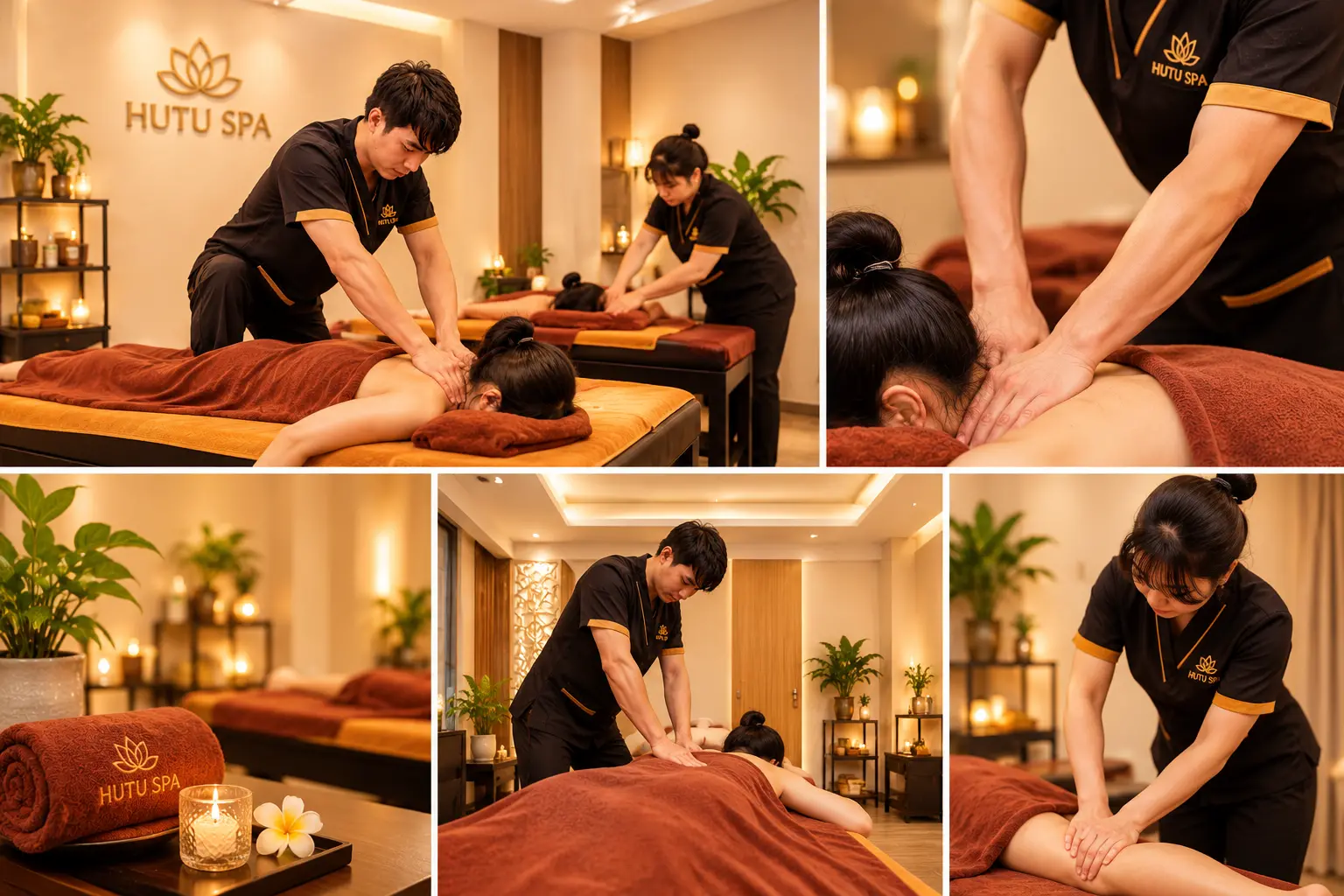
Hutu Spa is located at 5 Hong Bang Street, Nha Trang Ward, Khanh Hoa Province, in the city center and conveniently accessible from hotels along the coast. The spa is open daily from 10:00 AM to 10:00 PM, with the last booking accepted at 9:00 PM. On Google, Hutu Spa has a rating of 4.9 out of 5 stars from more than 1,745 customer reviews.
The spa offers professional waxing services with a gentle and professional approach, alongside therapeutic massage, Thai massage, foot massage, facial treatments, and body exfoliation. Private treatment spaces, natural products, and a professionally trained team are among the features Hutu Spa highlights for its guests. Customers also receive a complimentary welcome drink and dessert.
Since prices and wax types may vary depending on the treatment area, the spa recommends contacting the team for a consultation before booking. You can call or message via Zalo at 0396 161 183. International guests can also use WhatsApp, KakaoTalk, Viber, or WeChat to make appointments in their preferred language.
A useful tip: If you want to combine hair removal with relaxation, consider scheduling waxing before a gentle treatment such as a foot massage. Remember to inform your technician about the freshly waxed area so they can adjust the pressure and type of massage oil accordingly.
What affects the price of underarm waxing?
There is no single standard price for underarm waxing at every spa. Several factors can influence the cost:
- Type of wax: Premium hot wax, gentle wax for sensitive skin, or cold wax.
- Treatment area: Whether you are waxing only the underarms or combining the service with arms, legs, or bikini waxing.
- Technician experience, hygiene procedures, and the quality of post-wax skincare products.
- Spa location and facilities: The spa's location and treatment environment.
- Treatment packages: Discounts or special offers when booking multiple services.
The best approach is to ask for the price of each treatment area, check whether soothing skincare products are included, and compare services under similar conditions rather than simply choosing the lowest price. An unusually cheap service that involves reused equipment or inexperienced technicians may end up costing more if you later need treatment for inflammation or pigmentation.
To find out the current underarm waxing price at Hutu Spa, contact the hotline or Zalo at 0396 161 183. Prices for massage services are publicly listed on the website, so you can also refer to them when planning your overall spa budget.
Frequently asked questions about underarm waxing
Does underarm waxing hurt?
You may feel a brief stinging sensation lasting a few seconds. It can be more noticeable than waxing the arms or legs because underarm skin is delicate. Allowing the hair to reach the appropriate length, relaxing your shoulders, and choosing an experienced technician can help reduce discomfort.
How long does it take for underarm hair to grow back after waxing?
Usually around 3 to 4 weeks, although some people may experience regrowth within 2 to 6 weeks. You should wait until the hair reaches approximately 0.5 cm before your next waxing session.
Can underarm waxing cause dark underarms?
Not everyone experiences darkening. Discoloration is more commonly associated with inflammation, burns from excessively hot wax, repeated pulling, or inadequate aftercare. If dark patches spread, consult a dermatologist.
Does underarm waxing make hair grow back thicker?
No. Waxing does not increase the number of hair follicles. The impression of thicker hair may simply result from new hair growing back at approximately the same time.
Should I choose underarm waxing or laser hair removal?
Waxing is suitable if you want results that last several weeks, prefer a lower cost per session, and are not ready to commit to multiple treatments. Laser hair removal may be more suitable if you want to gradually reduce hair growth over the long term and are comfortable with a higher overall cost. Consult a doctor or qualified professional to choose the method that best suits your skin.
Can I get underarm waxing during pregnancy?
Waxing is generally considered acceptable when proper hygiene is maintained, but your skin may become more sensitive during pregnancy. Consult your obstetrician beforehand and inform your technician about your pregnancy.
Conclusion
Underarm waxing offers a balance between effectiveness and cost. It can keep your skin smooth for approximately 3 to 4 weeks and may result in finer regrowth over time. However, it requires proper preparation, a reputable service provider, and careful aftercare during the first 48 hours. The discomfort is real but usually brief, while the risks of discoloration, inflammation, and ingrown hairs can be reduced through proper techniques and suitable skincare habits.
If you are in Nha Trang and looking for a private, comfortable place to get your underarms waxed, contact Hutu Spa via the hotline or Zalo at 0396 161 183, or visit 5 Hong Bang Street, Nha Trang Ward, Khanh Hoa Province. Be sure to mention your treatment preferences, skin condition, and any medications you are taking so the team can provide appropriate advice.
Disclaimer: This article is intended for informational purposes only and does not replace professional medical diagnosis or treatment. If you have a dermatological condition, are taking medication, or experience an unusual reaction after waxing, consult a doctor.