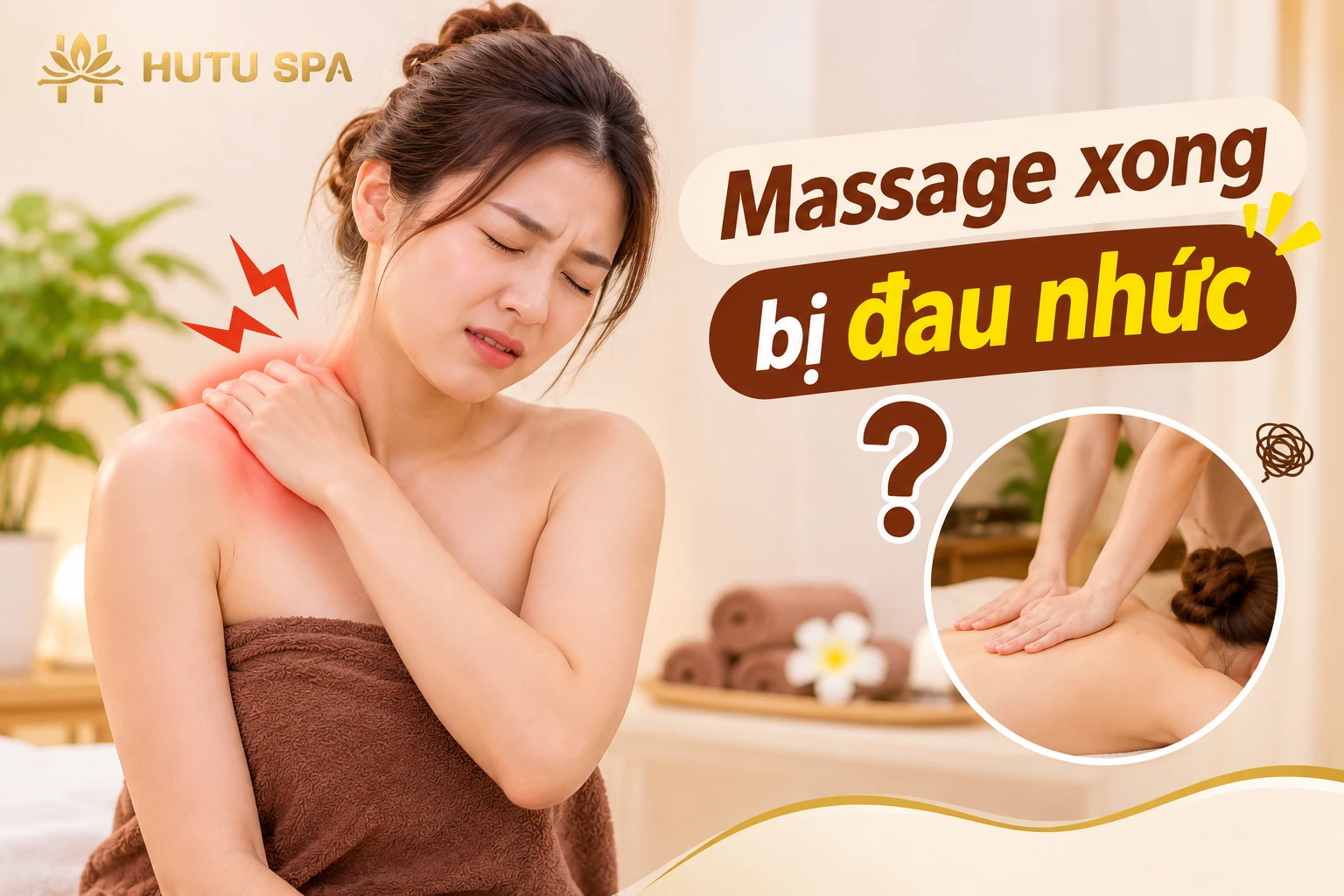
Feeling sore after a massage is a fairly common reaction, especially after a deep tissue massage, a session involving firm pressure, or when you have not had a massage in a long time. In most cases, the soreness feels similar to muscle aches after exercise and naturally subsides within 1 to 2 days. However, certain types of pain may indicate that your body has been subjected to excessive pressure. This article brings together information from Cleveland Clinic, Mayo Clinic, NCCIH, and the experience of therapists at Hutu Spa Nha Trang to help you understand why soreness occurs, how long it lasts, how to relieve it at home, and when to seek medical attention.
Quick summary of post-massage soreness
- Is it normal? Mild soreness the following day is normal, but you should not experience severe pain during a massage.
- Why does it happen? Muscles are stimulated in a way similar to exercise, pressure may be too intense for your body, muscles may already be tight, you may be dehydrated, or you may not have had a massage in a long time.
- How long does it last? Usually a few hours to approximately 36 hours. After a deep tissue massage, soreness may last 2 to 3 days.
- What can you do to relieve it? Drink enough water, rest, engage in gentle movement, stretch lightly, take a warm shower, or apply a warm compress to sore muscles.
- How can you prevent it? Communicate your preferred pressure, speak up immediately if you experience sharp pain or numbness, choose an appropriate massage technique, and maintain a regular massage schedule.
- When should you see a doctor? If pain worsens or lasts more than a few days, you develop significant swelling or bruising, experience numbness or weakness in your limbs, have swelling and pain in one calf, or notice dark, tea-colored urine.
Is it normal to feel sore after a massage?
Yes, as long as the discomfort is mild, dull, and does not interfere with your normal activities. Mayo Clinic explains that some people may experience mild soreness the following day, depending on the type of massage. However, it also emphasizes that you should not experience severe pain during a massage.
Regarding frequency, a survey of 100 clients at a massage clinic affiliated with a university of health sciences (Cambron et al., 2007) found that approximately 10% experienced minor discomfort after a massage, while 23% reported additional positive effects beyond their expectations. The study did not identify any serious adverse effects. In other words, most massage clients do not experience post-massage soreness, and those who do generally experience only mild discomfort.
This reaction is more common among three groups of people:
- First-time massage clients or people who have not had a massage in a long time: Their muscles are not accustomed to massage pressure, much like someone who exercises intensely after a long break.
- People who choose firm pressure or deep tissue massage: The deeper the pressure, the more extensively the muscles are stimulated.
- People with pre-existing muscle tension: Office workers who sit for long periods, people who have recently worked out or gone running, and travelers who have just completed a long flight.
In addition to muscle soreness, some people may feel slightly tired, sleepy, or experience a heavy-headed sensation for several hours after a massage. If these symptoms are mild and gradually improve after resting and drinking water, there is generally no reason to worry.
Why do you feel sore after a massage?
The main reason is that your muscles have been stimulated in a way similar to what happens after a workout. According to therapeutic massage expert Victoria Bodner, as featured by Cleveland Clinic, massage increases blood flow and delivers nutrients to the muscles, accompanied by a mild and temporary inflammatory response in the treated areas. This response can cause soreness for one to two days afterward.
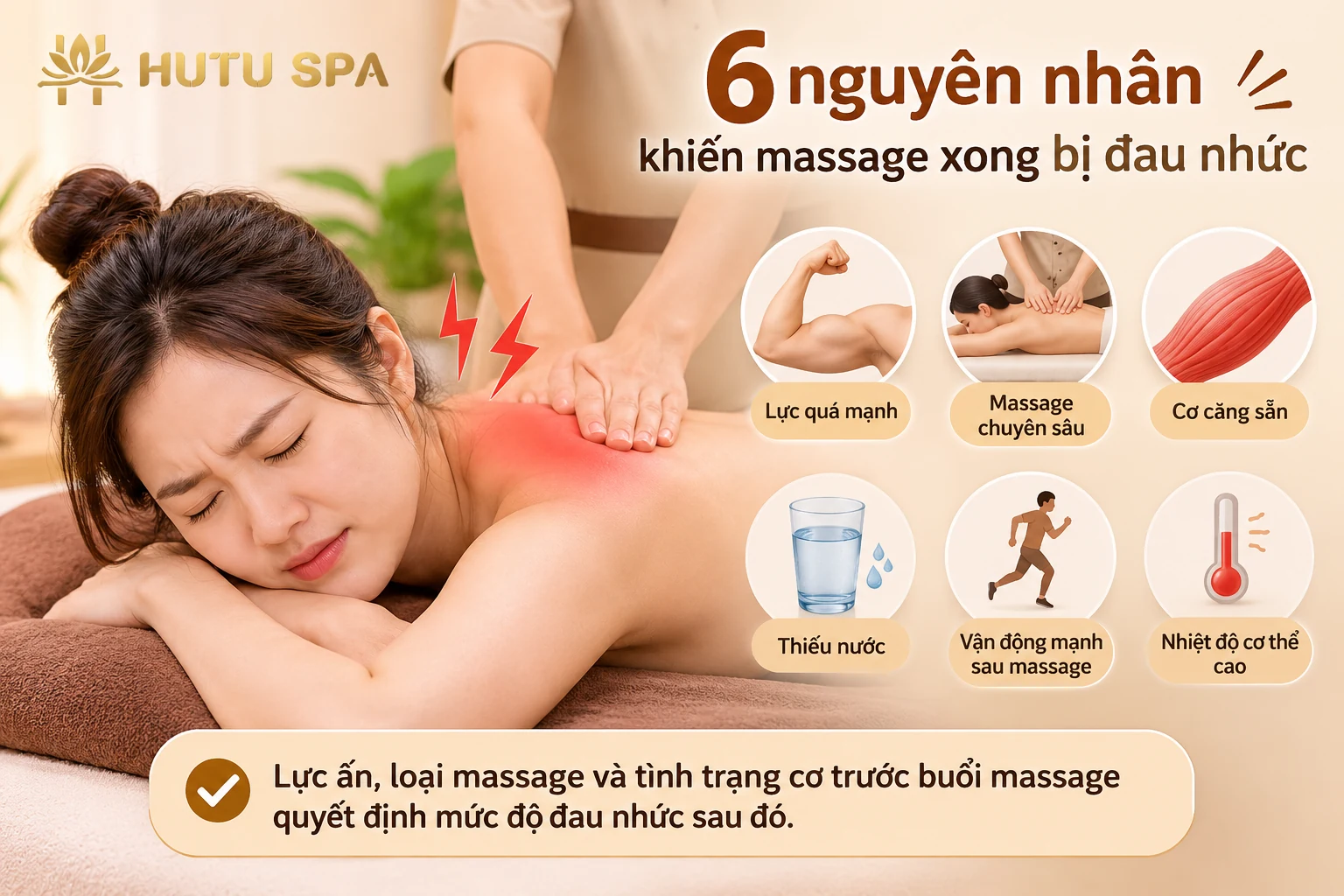
In addition to this general mechanism, six factors may make you more likely to experience soreness:
- Pressure exceeds your tolerance level. When the pressure is too intense, your muscles tend to tense up as a protective response. Your muscles are not only subjected to strong pressure but may also remain tense throughout the session, resulting in greater soreness the following day.
- Deep tissue techniques. During a deep tissue massage, therapists apply deeper pressure to tight muscle groups and connective tissues. Cleveland Clinic notes that this type of massage is more likely to cause post-session soreness than gentle massage because it focuses on specific muscle areas using greater pressure.
- Your muscles are already tight. The neck and shoulders of people who spend hours working at computers, or the calves of travelers who walk all day, often contain tight muscle points. These areas may feel more tender than the surrounding muscles when treated.
- You have not had a massage in a long time or it is your first session. Your muscles are not accustomed to this type of stimulation and may react more strongly, similar to returning to the gym after several months away.
- Dehydration. Cleveland Clinic lists dehydration as one of the factors that may increase soreness after massage. This can be particularly relevant for tourists who spend an entire day at the beach under the sun.
- Individual sensitivity. Some people tolerate firm pressure without discomfort, while others may feel sore even after a gentle massage. Fatigue, lack of sleep, and stress can also lower your pain tolerance.
Additionally, massage techniques involving strong stretching, such as Thai massage, may strain muscles and joints if movements exceed your body's existing range of flexibility.
What is the difference between normal and abnormal post-massage soreness?
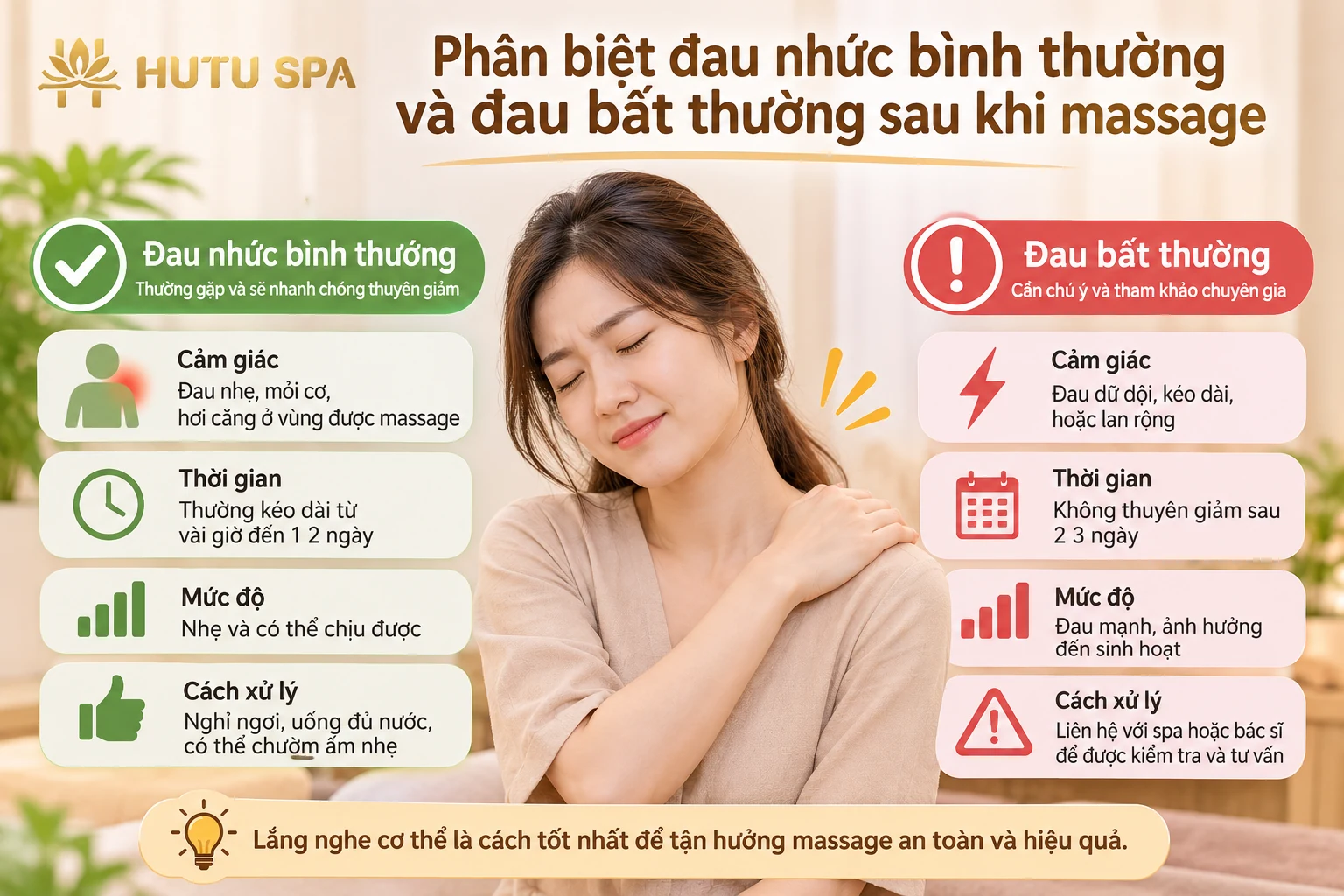
Normal post-massage soreness feels similar to muscle fatigue after exercise: it is dull, relatively widespread throughout the treated area, and gradually improves over time. Abnormal pain is often sharp, progressively worsening, concentrated in one specific spot, or accompanied by swelling, numbness, or muscle weakness. The following table can help you quickly identify the difference.
| Criteria | Normal soreness | Abnormal pain requiring attention |
|---|---|---|
| Sensation | Dull soreness, muscle fatigue, or a feeling of heaviness | Sharp, stabbing, burning, or electric shock-like pain |
| Location | Spread relatively evenly throughout the massaged area | Concentrated in one spot or joint, or radiating down an arm or leg |
| Progression | Most noticeable on the first day, then gradually improves | Gets worse over time or does not improve after 3 days |
| During movement | Mild discomfort, but normal movement remains possible | Difficulty moving, inability to turn the neck, or inability to raise an arm |
| Associated symptoms | None, or mild fatigue and sleepiness | Swelling, extensive bruising, redness, numbness, muscle weakness, fever, or dark urine |
| What to do | Rest, drink water, apply warm compresses, and move gently | Stop massaging the affected area, contact the spa, and seek medical attention |
A simple rule of thumb: if you can still walk, work, and sleep normally, and only feel soreness when pressing on your muscles, it is generally normal post-massage soreness. If the pain forces you to change your daily activities, treat it as a warning sign that needs evaluation.
How long does soreness after a massage last?
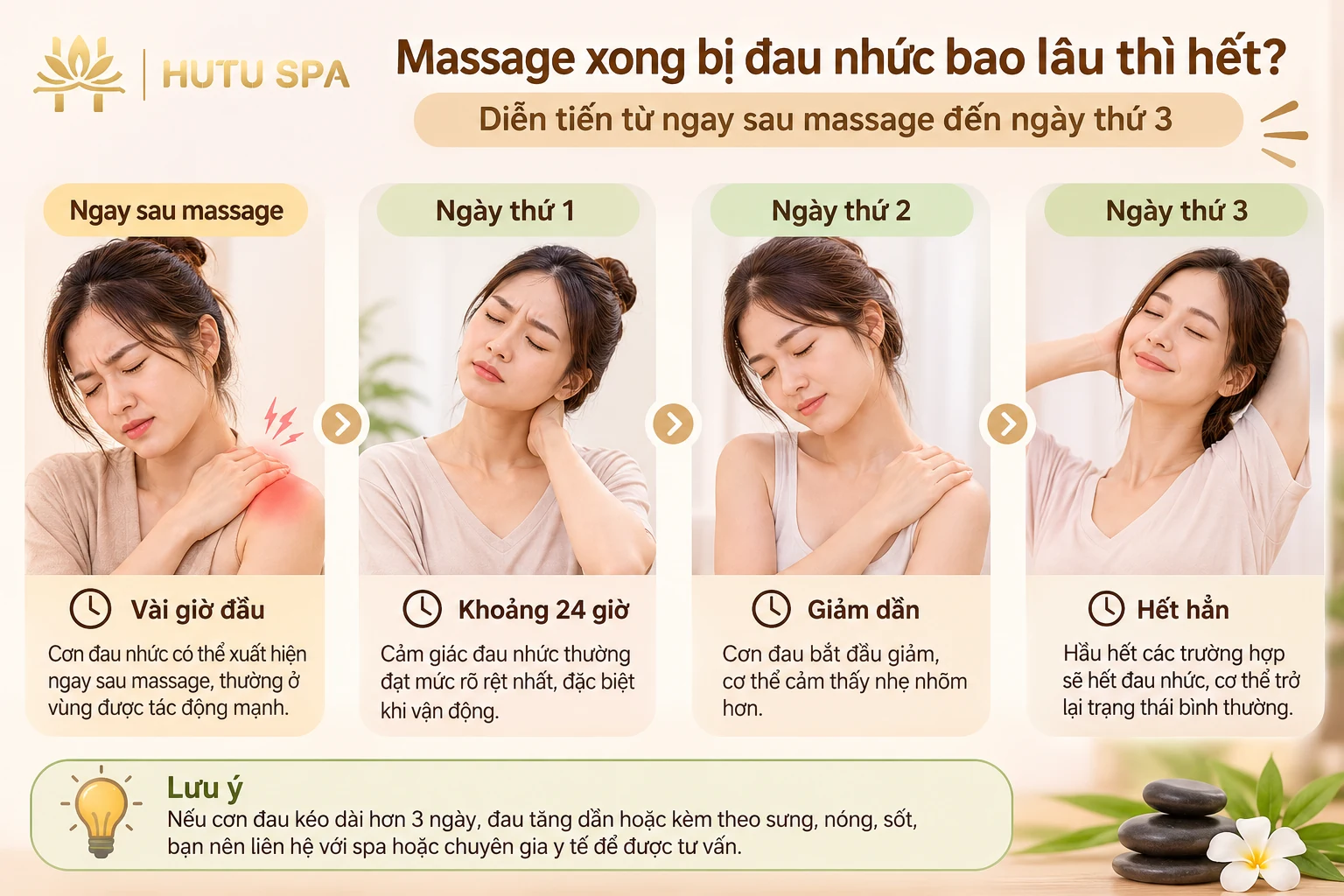
Most cases improve within 24 to 48 hours. Cleveland Clinic explains that post-massage soreness typically lasts from a few hours to approximately a day and a half. It is more common among people having their first massage or returning after a long break. After a firm deep tissue massage, soreness may last 2 to 3 days, but it should become milder each day.
A typical recovery timeline looks like this:
| Time | Common sensations | What you should do |
|---|---|---|
| Immediately after the massage to a few hours later | Relaxation, slight fatigue or sleepiness, and muscles that still feel slightly warm | Get up slowly, drink water, and rest for 10 to 15 minutes |
| That evening to the following morning | Soreness becomes more noticeable, especially when waking up | Move gently, take a warm shower, and apply a warm compress |
| Day 2 | Noticeable improvement, with soreness mainly when pressing on the muscles | Resume normal activities but avoid strenuous exercise involving the affected area |
| Day 3 | Almost completely resolved, including after deep tissue massage | Return to your regular exercise routine |
| More than 3 days or progressively worsening pain | No longer typical post-massage soreness | Contact the spa and seek medical attention |
Soreness may be more noticeable the morning after a massage rather than immediately afterward. This is similar to delayed-onset muscle soreness after exercise, so you do not need to panic if you wake up feeling more sore than you did the previous evening.
How to relieve muscle soreness after a massage at home
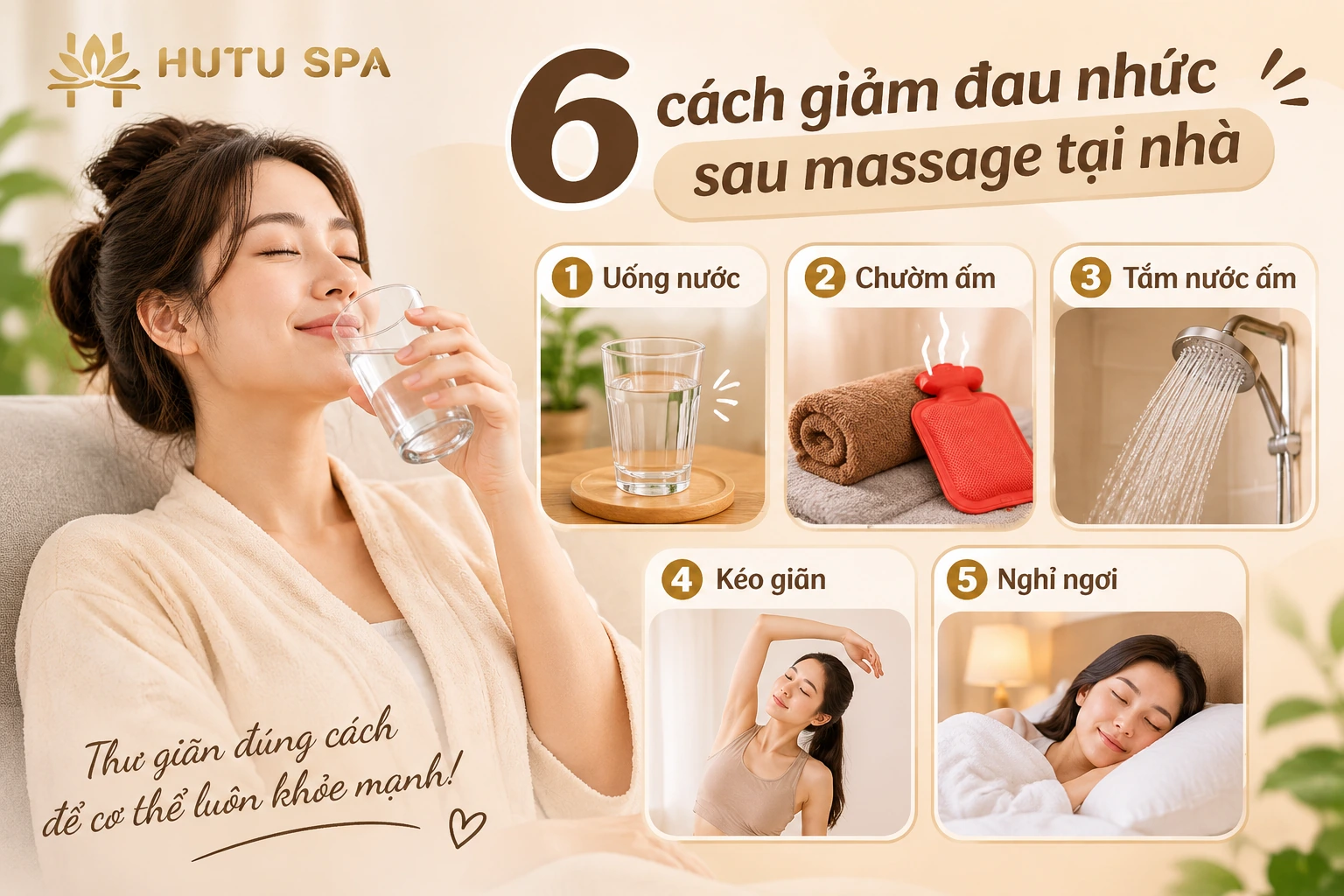
You can manage post-massage soreness in much the same way as muscle soreness after exercise: get adequate rest, keep your muscles comfortably warm, and engage in gentle movement. Cleveland Clinic suggests the following measures, with Hutu Spa providing practical guidance for each step.
Drink enough water
Drink plain or warm water after your massage and continue hydrating throughout the day. If you have just spent time at the beach or sweated heavily, you may need more fluids than usual. Avoid alcohol that evening because it can contribute to dehydration and disrupt sleep.
Apply warm or cold compresses at the right time
For general soreness and muscle tightness without swelling, applying a warm compress for approximately 15 to 20 minutes can help your muscles relax. If an area is slightly swollen or feels hot, apply a cold compress for 10 to 15 minutes. Always wrap ice in a towel and never place it directly on your skin. The same principles used when deciding whether to use a hot or cold compress for muscle pain also apply to post-massage discomfort: use warmth for soreness and stiffness, and cold for swelling and heat.
Take a warm shower
A warm shower or warm bath can help soothe your muscles, particularly on the evening of your massage or the following morning. Cleveland Clinic notes that Epsom salts can also be added to bathwater. Choose a comfortably warm temperature and avoid excessively hot water, which may cause dizziness.
Stretch gently and stay lightly active
Walk slowly for 10 to 15 minutes, gently rotate your shoulders and neck, or try a few light yoga poses to promote circulation. Keep stretches within a comfortable range of mild tension and never stretch to the point of pain.
Rest and get enough sleep
Avoid strenuous exercise involving the massaged muscles during the first 24 hours. Getting enough sleep is essential because this is when your body can recover effectively.
Use over-the-counter pain relief only when necessary
Cleveland Clinic notes that over-the-counter pain relievers may be appropriate in certain situations. However, you should consult a doctor or pharmacist first, especially if you have an underlying medical condition or are taking other medications. Most people with mild soreness do not need medication.
What you should avoid: Applying strong pressure yourself or using a massage gun repeatedly on painful areas, booking another firm massage before your muscles have recovered, or using excessively hot steam rooms or saunas when you are already feeling exhausted.
How much soreness can you expect from different types of massage?
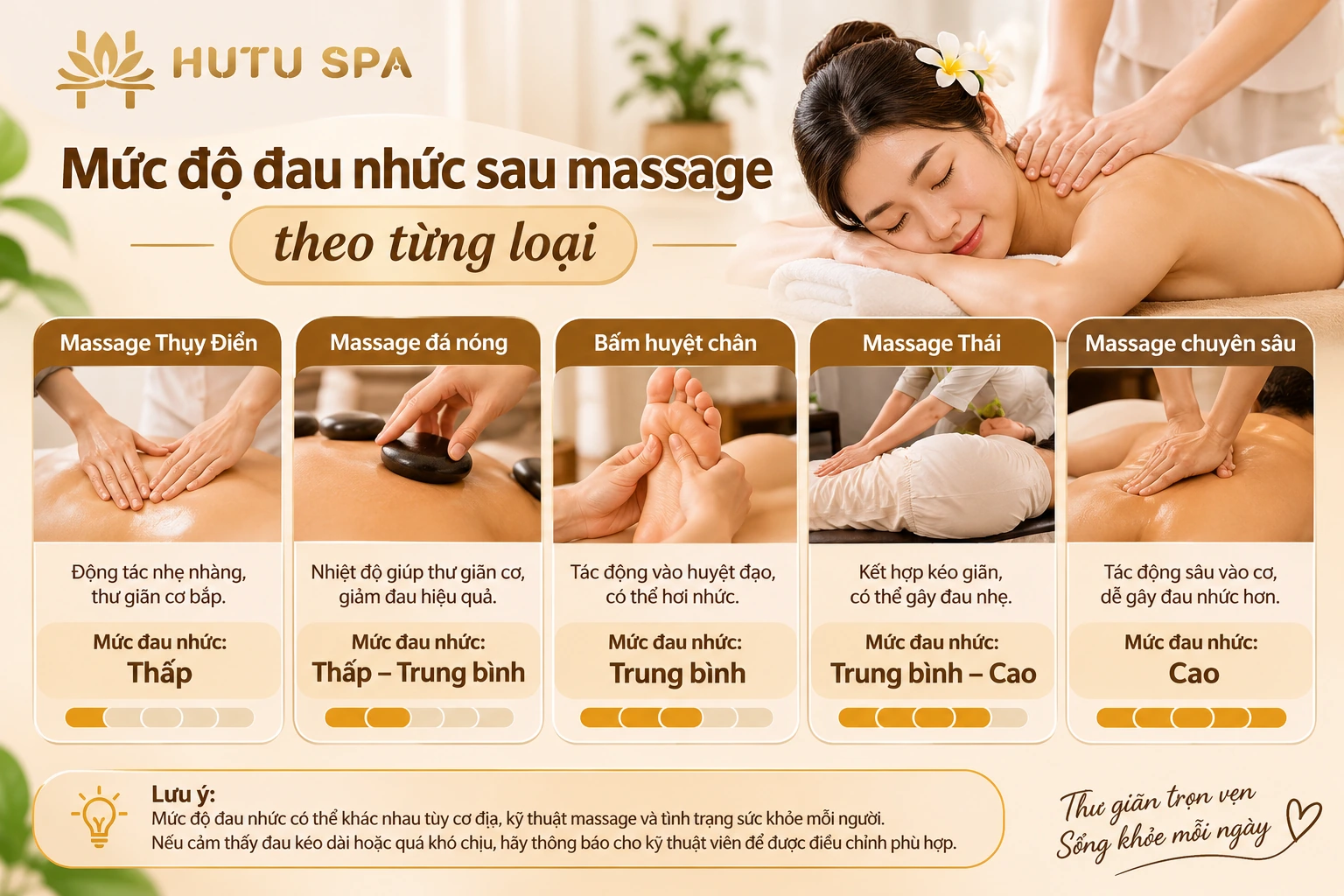
The type of massage largely determines how likely you are to experience soreness afterward. Massage techniques involving gentle strokes and light rubbing rarely cause significant discomfort, whereas deep pressure and stretching techniques are more likely to leave your muscles feeling sore. When choosing between popular types of massage, consider both your relaxation goals and the level of post-session soreness you are comfortable with.
| Massage type | Pressure and techniques | Likelihood of post-massage soreness | Suitable for |
|---|---|---|---|
| Swedish massage and aromatherapy massage | Gliding strokes, rubbing, and light to moderate kneading | Low | Beginners, people seeking relaxation and stress relief |
| Hot stone massage | Warm stones combined with massage strokes; heat helps soften muscles | Low | People who often feel cold, have mild muscle tension, or want better sleep |
| Foot acupressure massage | Pressure applied to specific points on the feet and calves | Moderate; some pressure points can be particularly sensitive | People who walk frequently and travelers with tired feet |
| Neck and shoulder massage | Focuses on commonly tight muscle groups | Moderate | Office workers and people who frequently use their phones |
| Traditional Thai massage | Acupressure combined with stretching, without massage oil | Moderate to high | People seeking muscle stretching and improved flexibility |
| Deep tissue massage | Deep pressure applied to muscles and connective tissues | High | People who exercise frequently or experience chronic muscle tension |
The levels shown in this table are for reference only because pressure can be adjusted within the same massage technique. A gentle Thai massage may cause less soreness than an aromatherapy massage performed with very firm pressure.
Is bruising after a massage a cause for concern?
A few small bruises without swelling or significant pain are generally not dangerous. However, they indicate that the pressure may have been too intense for your skin and blood vessels. A properly performed relaxation massage should not leave bruises.
You may be more likely to develop bruises if you belong to one of the following groups:
- You take blood-thinning medication or have a blood-clotting disorder. Mayo Clinic recommends that people in these groups consult a healthcare professional before receiving a massage.
- Older adults with thin skin and fragile blood vessels.
- People who bruise easily, even after minor impacts.
- People who choose deep tissue massage or request very firm pressure.
How to care for bruises after a massage:
- Apply a cold compress wrapped in a towel during the first 24 to 48 hours, for 10 to 15 minutes at a time.
- After 48 hours, switch to warm compresses to help the bruise resolve.
- Do not rub, massage, or apply pressure to the bruised area until it has completely healed.
- Monitor the bruise's color. A gradual change from purple to green, yellow, and then fading is part of the normal healing process.
Seek medical attention if the bruise is large, spreading, swollen and tight, or increasingly painful, or if you notice multiple bruises in areas that were not massaged. Large hematomas following intense massage are very rare, but they have been documented in medical literature and require medical treatment.
Who should be cautious before getting a massage?
Massage is generally safe when performed correctly by a trained professional, and Mayo Clinic notes that serious adverse effects are rare. NCCIH has documented some uncommon complications, including blood clots, nerve injuries, and bone fractures. These complications are generally associated with forceful techniques such as deep tissue massage or with people at higher risk of injury, such as older adults.
You should consult a doctor beforehand and inform your therapist if any of the following conditions apply to you:
- Cardiovascular conditions and blood clots: You have recently experienced a heart attack, previously had a blood clot in your leg, or currently have unusual swelling and pain in one calf.
- Blood-clotting disorders or use of blood thinners: You may be more susceptible to bruising and hematomas when exposed to strong pressure.
- Bone and joint conditions: You have an unhealed fracture, severe osteoporosis, or have recently undergone surgery.
- Skin conditions: You have burns, open wounds, or skin infections. Mayo Clinic advises avoiding pressure on healing wounds and areas with nerve damage.
- Cancer: NCCIH notes that massage techniques may need to be adjusted, such as reducing pressure on sensitive areas affected by the disease or its treatment.
- Older adults: Gentle to moderate pressure is preferable, and strong stretching should be avoided.
- Pregnant women: Consult your doctor and inform the spa in advance so the therapist can choose suitable positions, pressure levels, and massage oils.
- People with fever, flu, or severe fatigue: Postpone the massage, especially sessions involving strong pressure. A 2021 case report described a 39-year-old man who developed severe rhabdomyolysis associated with influenza A immediately after a two-hour deep tissue massage.
NCCIH also advises against using massage to delay necessary medical care. If you already have unexplained pain, consult a doctor before considering massage.
How to prevent soreness when getting a massage
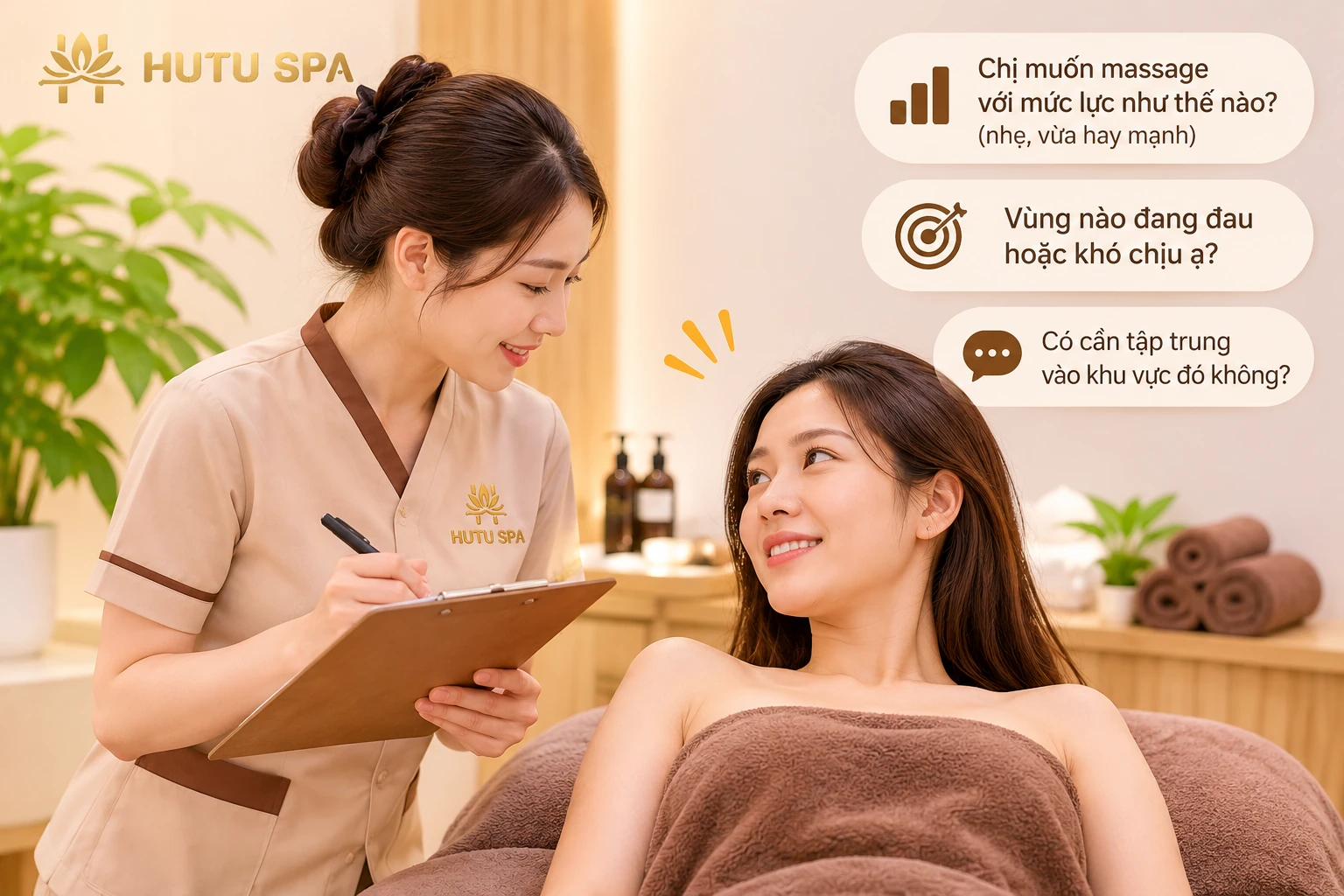
Most post-massage soreness can be significantly reduced if you prepare properly and communicate clearly with your therapist. The most important thing is to maintain a pressure level your body can tolerate without causing your muscles to tense up.
Before your massage
- Choose a massage type that matches your goals. If you simply want to relax, you do not necessarily need a deep tissue massage.
- Eat a light meal 1 to 2 hours beforehand. Avoid arriving either overly full or very hungry.
- Stay hydrated throughout the day and limit alcohol consumption.
- Inform your therapist about any underlying conditions, medications, allergies, previous injuries, and recent illnesses, as recommended by Cleveland Clinic.
During your massage
Use a scale of 1 to 10 to communicate the pressure level you prefer instead of simply saying "light" or "firm":
| Pressure rating | How it feels | What to do |
|---|---|---|
| 1 to 3 | Light, comfortable, and almost like gentle stroking | Suitable for relaxation and improving sleep |
| 4 to 6 | Noticeable pressure, but you can breathe normally and keep your muscles relaxed | An ideal range for most people |
| 7 | Strong pressure that requires you to focus on your breathing | The upper limit, suitable only for specific muscle areas |
| 8 to 10 | Painful, causing you to tense up, grimace, or hold your breath | Ask the therapist to reduce the pressure immediately |
Tell your therapist immediately if you experience sharp pain, numbness radiating into your arms or legs, dizziness, or feel the need to hold your breath to tolerate the pressure. A simple request such as "Could you use a little less pressure?" is enough. You have the right to request lighter pressure or stop the massage at any time.
After your massage
- Sit up slowly and rest for 10 to 15 minutes before walking around.
- Drink water, avoid intense sun exposure, and avoid alcohol immediately afterward.
- Do not perform strenuous exercise involving the massaged muscles on the same day.
- If you plan to get massages regularly, maintain a consistent schedule. Your muscles gradually adapt to massage pressure, so subsequent sessions may cause less soreness than your first one.
Common misconceptions about post-massage soreness
Many popular misconceptions can cause people to tolerate unnecessary pain or overlook symptoms that require medical attention. Here are four of the most common misunderstandings.
"A massage must hurt to be effective."
This is not true. Mayo Clinic clearly states that you should not experience severe pain during a massage and should ask your therapist to reduce the pressure if it feels too intense. When pressure exceeds your tolerance, your muscles tense up defensively, making the session less relaxing and increasing the likelihood of soreness afterward.
"Soreness means the massage is releasing toxins and lactic acid."
There is no scientific evidence supporting this claim. In fact, a study conducted at Queen's University in Canada and published in the journal Medicine & Science in Sports & Exercise in 2010 found that massage after strenuous exercise actually slowed the removal of lactic acid from muscles because mechanical pressure interfered with blood flow. Post-massage soreness is a muscular response to physical stimulation, not a sign that your body is detoxifying.
"You must drink a lot of water to flush out toxins."
Drinking enough water after a massage is still good advice because dehydration can make muscles more prone to soreness. However, the purpose is to replenish your body's fluids, not to "flush out toxins." Drink according to your thirst and spread your fluid intake throughout the day. There is no need to force yourself to drink an entire liter at once.
"Taking a shower immediately will wash away all the benefits of a massage."
The benefits of massage involve your muscles and nervous system, not something sitting on the surface of your skin, so they cannot be washed away with water. When considering whether you should shower after a massage, pay attention to timing and water temperature. Rest for approximately 30 to 60 minutes, use comfortably warm water, and avoid water that is excessively hot or cold. Warm water can also help soothe muscle soreness.
Additionally, do not try to massage away the pain when your muscles are still sore. Your body needs time to recover, just as you should avoid training the same muscle group intensely on consecutive days.
When should you seek medical attention for soreness after a massage?
Seek medical attention if your pain does not improve after 3 days, becomes progressively worse, or is accompanied by symptoms beyond ordinary muscle soreness. Cleveland Clinic recommends consulting a doctor if severe soreness persists for more than a few days.
Seek medical attention promptly if you experience:
- Pain that progressively worsens instead of improving, or does not get better after 3 days.
- Significant swelling, large or spreading bruises, or tight and swollen skin.
- Numbness, tingling, pain radiating along an arm or leg, or weakness in your limbs.
- Pain concentrated in one area of a bone, making it difficult to put weight on it or move the associated joint.
- Severe headaches, dizziness, or persistent nausea after a neck and shoulder massage.
- Skin that becomes hot and red, develops pus, or is accompanied by fever.
Seek emergency medical care immediately if you experience:
- Swelling, pain, and redness in one calf, especially when accompanied by sudden shortness of breath or chest pain. These may be signs of a blood clot, an uncommon complication mentioned by NCCIH.
- Severe muscle pain and noticeable muscle weakness accompanied by dark, tea-colored urine. These are warning signs of rhabdomyolysis, a very rare condition after massage that has nevertheless been documented in case reports, including incidents involving massage guns. This condition can affect your kidneys if not treated promptly.
When seeing a doctor, explain which type of massage you received, when it took place, whether the pressure was light or firm, and which areas received the most attention. This information can help your doctor identify the possible cause more quickly. You should also inform the spa so the therapist can adjust their techniques during future sessions.
Enjoy a comfortable-pressure massage at Hutu Spa Nha Trang
At Hutu Spa, every massage session begins with a consultation between the client and therapist about areas of discomfort, preferred pressure levels, and overall health conditions. This helps ensure a relaxing experience without unnecessary post-massage soreness. According to the spa's website, Hutu Spa has a Google rating of 4.9/5 based on more than 1,745 reviews (November 2026 figures).
Recommended services based on your needs:
- For relaxation with minimal post-massage soreness: Hutu Signature Massage, a treatment combining natural essential oils with warm volcanic stones. Light to moderate pressure can be selected.
- For tired feet after a day of sightseeing: Foot massage.
- For neck and shoulder stiffness caused by computer work or long-distance travel: Neck and shoulder massage.
- For muscle stretching and improved flexibility: Thai massage. Let your therapist know if you are not accustomed to strong stretching movements.
- For chronic muscle tension or frequent physical activity: A 90- or 120-minute deep tissue massage. Be aware that mild soreness may occur for 1 to 2 days afterward.
If this is your first time getting a massage, mention when booking that you are a new client, prefer light to moderate pressure, and identify the areas where you feel the most discomfort. Your therapist will begin gently and gradually adjust the pressure based on your feedback. If you experience unusual pain after your session, contact the spa for guidance.
| Information | Details |
|---|---|
| Address | 5 Hong Bang Street, Nha Trang Ward, Khanh Hoa Province, Vietnam |
| Opening hours | Daily from 10:00 AM to 10:00 PM. Reservations accepted until 9:00 PM. |
| Hotline and Zalo | 0396 161 183 |
| Languages | Vietnamese, English, Korean, Russian, and Chinese |
Frequently asked questions about soreness after a massage
Is it normal to feel sore all over after a massage?
Usually, yes, if the soreness is mild, relatively widespread, and gradually improves within 1 to 2 days. If the pain gets worse, is accompanied by swelling or numbness, or lasts longer than 3 days, you should seek medical attention.
Why do I have a headache after a massage?
Common causes include excessive pressure during a neck and shoulder massage, lying face down for too long, dehydration, or having an empty stomach. Resting, drinking water, and applying a warm compress to your neck may help. If you experience a severe headache accompanied by vomiting, blurred vision, or weakness in your limbs, seek medical attention immediately.
Is it normal to feel tired or sleepy after a massage?
Yes. Many people feel sleepy or slightly fatigued for several hours after a massage because their bodies are relaxing. Rest, drink water, and avoid driving long distances immediately afterward if you feel excessively sleepy.
Should I use a hot or cold compress for soreness after a massage?
For muscle soreness and stiffness without swelling, apply a warm compress for 15 to 20 minutes. If an area is swollen, hot, or bruised, use a cold compress for 10 to 15 minutes during the first 24 to 48 hours. Always wrap ice in a towel before applying it to your skin.
How soon can I get another massage?
Wait until your muscles have completely recovered and the soreness has disappeared. After a gentle relaxation massage, you may be able to schedule another session after a few days. Following a deep tissue massage, it is advisable to wait at least several days to a week to allow your muscles to recover.
Can I go to the gym after a massage?
Avoid strenuous workouts on the same day, especially exercises involving the muscles that were massaged. Light walking and gentle stretching are still beneficial. Resume your regular workout routine once the soreness has completely disappeared.
Conclusion
Feeling sore after a massage is usually a normal muscular response, similar to the sensation after a workout. It generally improves within 24 to 48 hours with adequate rest, hydration, warm compresses, and gentle movement. However, a massage does not need to hurt to be effective. Appropriate pressure, the right massage technique for your needs, and clear communication with your therapist can help you relax without experiencing soreness for several days. If your pain gets worse, lasts longer than 3 days, or is accompanied by swelling, numbness, or dark urine, seek medical attention rather than waiting for it to resolve on its own.
Are you in Nha Trang and looking for a massage with the right pressure for your body? Contact Hutu Spa via Zalo at 0396 161 183 for advice on choosing the right massage treatment before booking your appointment.
Written by the Hutu Spa Editorial Team. Updated November 2026. This article is intended for informational purposes only and does not replace professional medical diagnosis or advice.