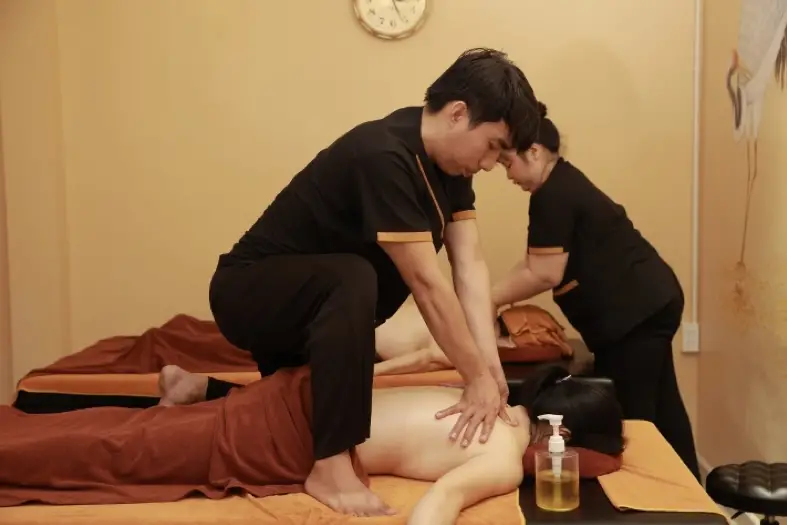
Muscle pain is a common condition that can occur after intense physical activity, exercise, prolonged work, or maintaining an improper posture for extended periods. When you experience soreness, stiffness, or muscle spasms, using a compress is one of the ways to relieve discomfort. However, when dealing with muscle pain, should you use a hot or cold compress?
The answer depends on the cause, when the pain begins, and the symptoms you experience. Cold compresses are generally preferred for recent acute injuries, especially when swelling or sharp pain is present. Heat therapy, on the other hand, is more suitable for muscle stiffness, spasms, or prolonged soreness without acute swelling or warmth.
Choosing the wrong method may make swelling and inflammation more difficult to manage or increase the risk of skin damage. Understanding the benefits, proper techniques, and appropriate timing of these two methods can help you care for your body more safely.
In this article, Hutu Spa will explain the differences between hot and cold compresses, how to use each method for different types of muscle pain, common mistakes to avoid, and ways to relax your body after tiring days at work or during physical activity.
Is a Hot or Cold Compress Better for Muscle Pain?
There is no single compress method that is best for every case of muscle pain. Heat and cold work differently, so your choice should depend on the condition you are experiencing.
If a muscle has just been strained, struck, or injured, particularly when swelling and sharp pain occur, a cold compress is usually a suitable initial option. The low temperature helps reduce pain and may limit swelling during the early stages of an injury.
In contrast, if your muscles feel stiff or you experience dull soreness after sitting for hours, sleeping in an awkward position, or dealing with prolonged muscle tension, a warm compress may help relax the affected area, ease muscle spasms, and make movement more comfortable.
Comparison of Hot and Cold Compresses
Criteria |
Hot Compress |
Cold Compress |
|---|---|---|
Temperature |
Moderately warm |
Cold |
Main effect |
Warms the tissue and increases local blood flow |
Lowers tissue temperature and reduces the sensation of pain |
Common benefits |
Relieves muscle stiffness and promotes relaxation |
Relieves pain and helps manage swelling |
Suitable situations |
Muscle stiffness and dull soreness |
Recent injuries and acute swelling or pain |
Duration per session |
Approximately 15 to 20 minutes |
Approximately 10 to 15 minutes |
Precautions |
Avoid excessive heat |
Never apply ice directly to the skin |
The basic selection guidelines are simple:
- Recent muscle injury with swelling and pain: prioritize a cold compress.
- Muscle stiffness and dull soreness: consider a warm compress.
- Pain with an unclear cause: avoid applying intense heat or performing deep massage on your own.
- Severe pain, numbness, weakness, or rapidly increasing swelling: seek medical assessment.
A systematic review and meta-analysis published in Physical Therapy in Sport in 2021 examined 32 randomized controlled trials involving 1,098 people with delayed-onset muscle soreness (DOMS) after exercise. The findings suggested that both heat and cold therapies may help relieve pain at certain points in time, but neither method was consistently shown to be superior to the other.
This means you should not choose a temperature based solely on how intense the pain feels. It is important to identify whether the pain is caused by a recent injury, prolonged muscle stiffness, or post-exercise soreness.
Understanding the Differences Between Hot and Cold Compresses
To determine which method to use, you should first understand how temperature affects the body.
What Is a Hot Compress?
A hot compress is a method of applying a warm heat source to an area of the body that feels painful or stiff. Common heat sources include warm towels, hot packs, heating pads, and warm water.
When the temperature of the treated area rises within a safe range, local blood vessels tend to dilate, blood flow may increase, and soft tissues may feel more comfortable. Warmth can also help ease the sensation of muscle spasms and make gentle movement easier.
Some commonly reported benefits of heat therapy include:
- Reducing muscle stiffness after maintaining the same position for a long time.
- Helping relax muscles that are in spasm.
- Easing discomfort caused by dull muscle soreness.
- Making gentle stretching and movement more comfortable.
- Promoting relaxation, especially when the neck, shoulders, or back feel tired.
However, applying heat does not mean that the warmer the affected muscle becomes, the better. Excessive heat or prolonged exposure can cause burns, increase swelling, and make an acute injury more difficult to manage.
What Is a Cold Compress?
A cold compress uses a cold source to lower the temperature of painful tissue. You can use a cold gel pack, an ice pack wrapped in a towel, or a cold towel.
When an area of the body is exposed to low temperatures, local blood vessels tend to constrict. This may temporarily reduce blood flow, decrease pain sensation, and help manage swelling in some acute injury situations.
Common benefits include:
- Relieving pain after an impact or muscle strain.
- Helping manage swelling around an injured area.
- Soothing sharp pain after excessive physical activity.
- Reducing discomfort in recently injured muscles.
However, cold therapy should not be considered a method that can heal every type of muscle injury. Evidence that cold therapy shortens healing time or improves physical function remains limited.
The 2024 first-aid guidelines from the American Heart Association and the American Red Cross also discuss the use of cold therapy to help relieve pain and swelling in acute sprains and strains. However, they do not establish that cold compresses shorten recovery time.
Differences in How Heat and Cold Work
The differences between the two methods can be summarized in the following table:
Mechanism |
Hot Compress |
Cold Compress |
|---|---|---|
Blood vessels |
Tend to dilate |
Tend to constrict |
Local blood flow |
May increase |
May temporarily decrease |
Pain sensation |
Helps relieve stiffness and muscle spasms |
Helps reduce pain through cooling |
Soft tissue |
May temporarily improve tissue flexibility |
Lowers tissue temperature |
Acute swelling |
Not suitable when the area is swollen and warm |
May help manage swelling |
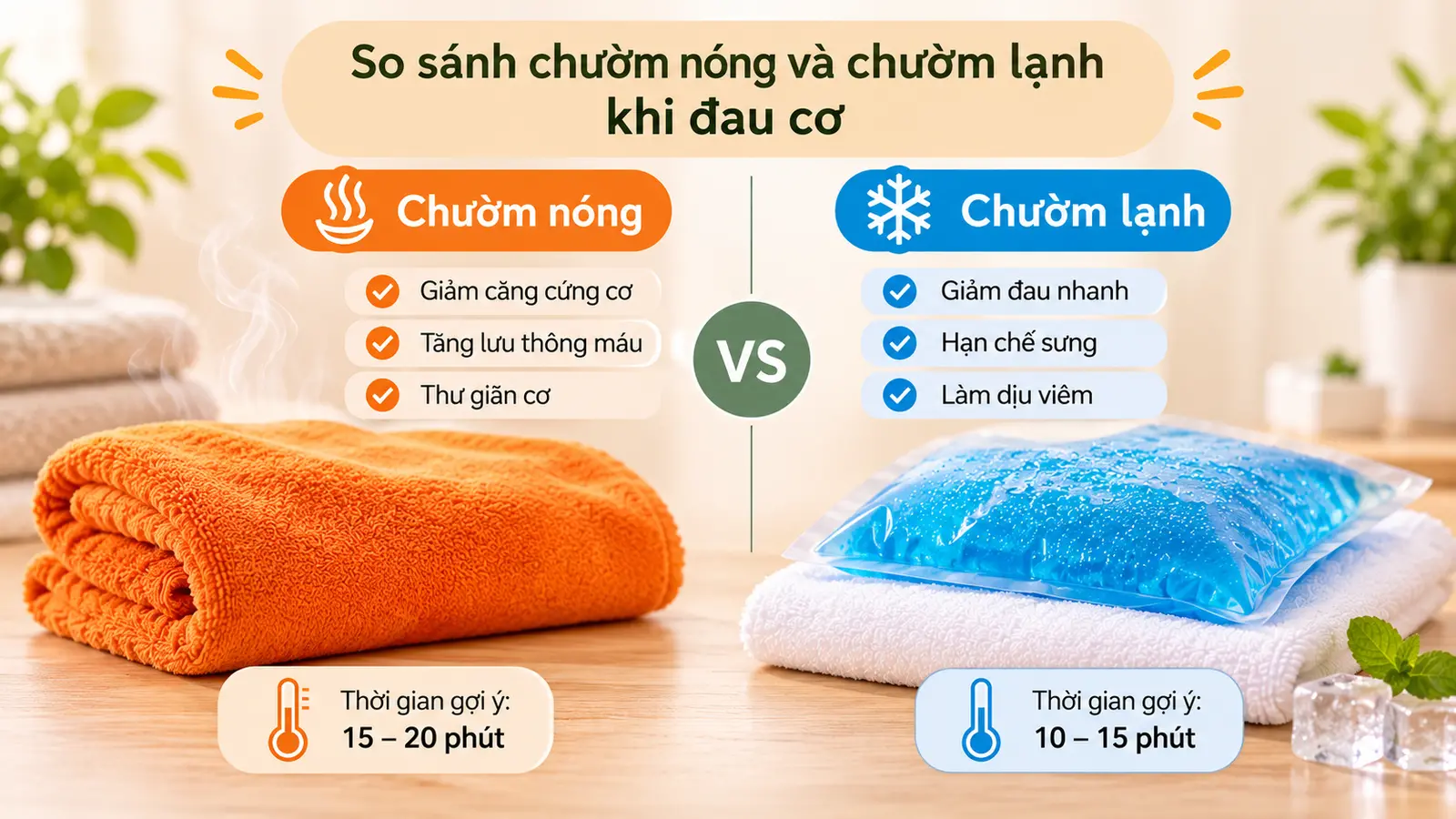
The important point is that increased blood circulation from heat does not mean every painful area should be warmed. Similarly, cold therapy is not always necessary simply because you feel pain.
When Should You Use a Cold Compress for Muscle Pain?
Cold compresses are generally suitable when pain develops after a recent injury, particularly if the affected area is swollen, sharply painful, or sensitive to touch.
During the early stages of an injury, reducing strain on the affected area, protecting injured tissue, and managing symptoms are more important than trying to massage or warm the muscle.
Muscle Pain After an Impact or Recent Injury
When you are hit while playing sports, fall, or bump into a hard object, the affected muscle may become painful and swollen.
In these situations, a cold compress may help reduce pain and manage swelling.
Examples include:
- A thigh injury caused by a collision while playing football.
- A calf muscle affected by a strong impact during physical activity.
- An arm injury caused by an accidental collision during daily activities.
- A sudden strain in the back muscles while lifting a heavy object.
You should stop the activity that caused the pain, avoid further strenuous movement, and use a cold pack wrapped in a towel to protect your skin.
If the injured area is extremely painful, visibly deformed, difficult to move, or unable to bear weight, do not rely solely on home compresses.
Acute Muscle Strain After Physical Activity
A muscle strain occurs when muscle fibers or tendons are stretched beyond their normal capacity. In some cases, this can cause a partial tear in the tissue.
This condition may occur when you:
- Sprint without warming up properly.
- Lift weights that are too heavy.
- Make a sudden twisting movement.
- Play sports at high intensity.
- Stretch beyond your body's current limits.
Common symptoms include sudden pain, pain when contracting or stretching the affected muscle, and possible swelling or bruising.
If you suspect an acute muscle strain, a cold compress may be used to help relieve pain. You should also protect the affected area, reduce activities that cause pain, and monitor your symptoms.
Avoid forceful stretching or deep massage immediately after an injury.
Muscle Pain Accompanied by Local Swelling and Warmth
If a painful muscle is swollen, warm, and sensitive, you should be cautious about using heat therapy.
Adding heat may increase discomfort and is not an appropriate option when acute swelling is present.
Applying a cold compress correctly may help soothe the injured area. However, swelling and warmth are not always caused by a muscle injury. If the skin becomes unusually red, hot, swollen, or increasingly painful, seek medical assessment to rule out other causes.
Muscle Pain After High-Intensity Exercise
After a gym session, a run, or another high-intensity workout, you may experience delayed-onset muscle soreness, commonly known as DOMS (Delayed Onset Muscle Soreness).
DOMS usually begins several hours after exercise, becomes more noticeable within approximately 24 to 72 hours, and gradually improves afterward.
Common characteristics include:
- Muscles that hurt when touched or moved.
- Stiffness in the muscle groups you recently exercised.
- Pain when walking up or down stairs after a leg workout.
- Difficulty performing some familiar movements.
- Increased soreness when contracting or stretching the muscles.
In some cases, cold therapy may provide short-term pain relief. However, applying a cold compress after every workout is not necessary.
A systematic review of 32 trials found that both heat and cold therapies may reduce DOMS pain at certain points in time, while the difference between the two approaches was not clearly statistically significant.
Therefore, choose the method based on how your body feels. Avoid using extremely low temperatures or prolonged cold-water immersion simply because you believe they will help your muscles recover faster.
When Should You Use a Hot Compress for Muscle Pain?
Heat therapy is generally suitable for dull soreness, muscle stiffness, or spasms that are not caused by an acute injury accompanied by swelling and warmth.
Warmth may help relax the affected muscles, ease stiffness, and make movement more comfortable.
Muscle Pain from Sitting at Work for Too Long
Office workers often have to remain seated for many hours. When the head leans forward, the shoulders hunch, or the back stays rounded for extended periods, the neck, shoulder, and upper-back muscles must work continuously.
After a full day of work, you may experience symptoms such as:
- Neck stiffness when turning your head from side to side.
- Heavy or tired shoulders.
- Dull pain between the shoulder blades.
- Tightness in the upper-back muscles.
- Neck fatigue after using a phone for many hours.
If there are no signs of an acute injury or unusual swelling and warmth, a warm compress may help relax these muscle groups.
You can place a warm towel over your neck and shoulders for approximately 15 to 20 minutes. Afterward, gently roll your shoulders and tilt your neck within a comfortable, pain-free range of motion.
If neck and shoulder pain occurs frequently, you can also read our article on what to do for neck and shoulder pain and how to relieve it at home to learn how to adjust your posture, care for your muscles, and prevent recurring soreness.
Muscle Pain Caused by Sleeping in the Wrong Position
Waking up with a stiff neck, sore shoulders, or dull back pain is relatively common.
Possible causes include using an unsuitable pillow, sleeping on your stomach, keeping your neck turned for too long, or maintaining a sleeping position that places prolonged strain on certain muscles.
If there are no signs of a serious injury, you can try a warm compress to ease muscle stiffness.
How to apply it:
- Prepare a warm towel or a compress at a comfortable temperature.
- Place it over the tense muscle for approximately 15 minutes.
- Do not press hard or forcefully crack your joints to relieve pain.
- After applying the compress, move gently within a comfortable range.
- Monitor whether the pain improves.
If neck pain is accompanied by fever, a severe headache, numbness or weakness in the limbs, or follows an accident, do not attempt to manage it with heat therapy on your own.
Muscle Pain Caused by Prolonged Stress
Emotional stress affects more than just sleep. It can also cause the body to unconsciously tense certain muscle groups.
Many people habitually shrug their shoulders, clench their jaws, tense their necks, or keep their backs rigid while concentrating on work.
If this continues for a long time, you may experience:
- Persistent tension in the neck and shoulders.
- Dull soreness in the upper back.
- A heavy-headed feeling after many hours of work.
- Difficulty relaxing your body even after taking a break.
In these situations, combining a warm compress with rest, slow breathing, and gentle movement may help ease discomfort.
You should also pay attention to your sleep schedule, workload, and the breaks you take throughout the day.
Prolonged Muscle Soreness Without Acute Swelling
Persistent muscle pain can have many causes, including daily posture, mechanical overload, musculoskeletal conditions, and other health issues.
If the main cause is muscle tightness, warmth may provide temporary pain relief.
However, a hot compress should not be considered a treatment for the underlying cause of pain. If the pain keeps returning, lasts for several weeks, or affects your daily activities, you should seek medical advice.
Muscle Spasms After Physical Activity
A muscle spasm occurs when a muscle contracts involuntarily, causing tightness or sudden pain.
Some mild muscle spasms may improve with rest, gentle movement, and relaxation.
Once the spasm has settled, if there is no swelling or sign of an acute injury, a warm compress may help relieve muscle stiffness.
However, muscle spasms should be distinguished from cramps, muscle injuries, and other conditions. If the pain is severe, occurs repeatedly, or is accompanied by muscle weakness, seek medical assessment.
How to Apply Hot and Cold Compresses Correctly
Regardless of which method you choose, using the correct technique is just as important as selecting the right temperature.
A compress that is too hot or ice placed directly against the skin can both cause tissue damage.
How to Apply a Hot Compress Correctly
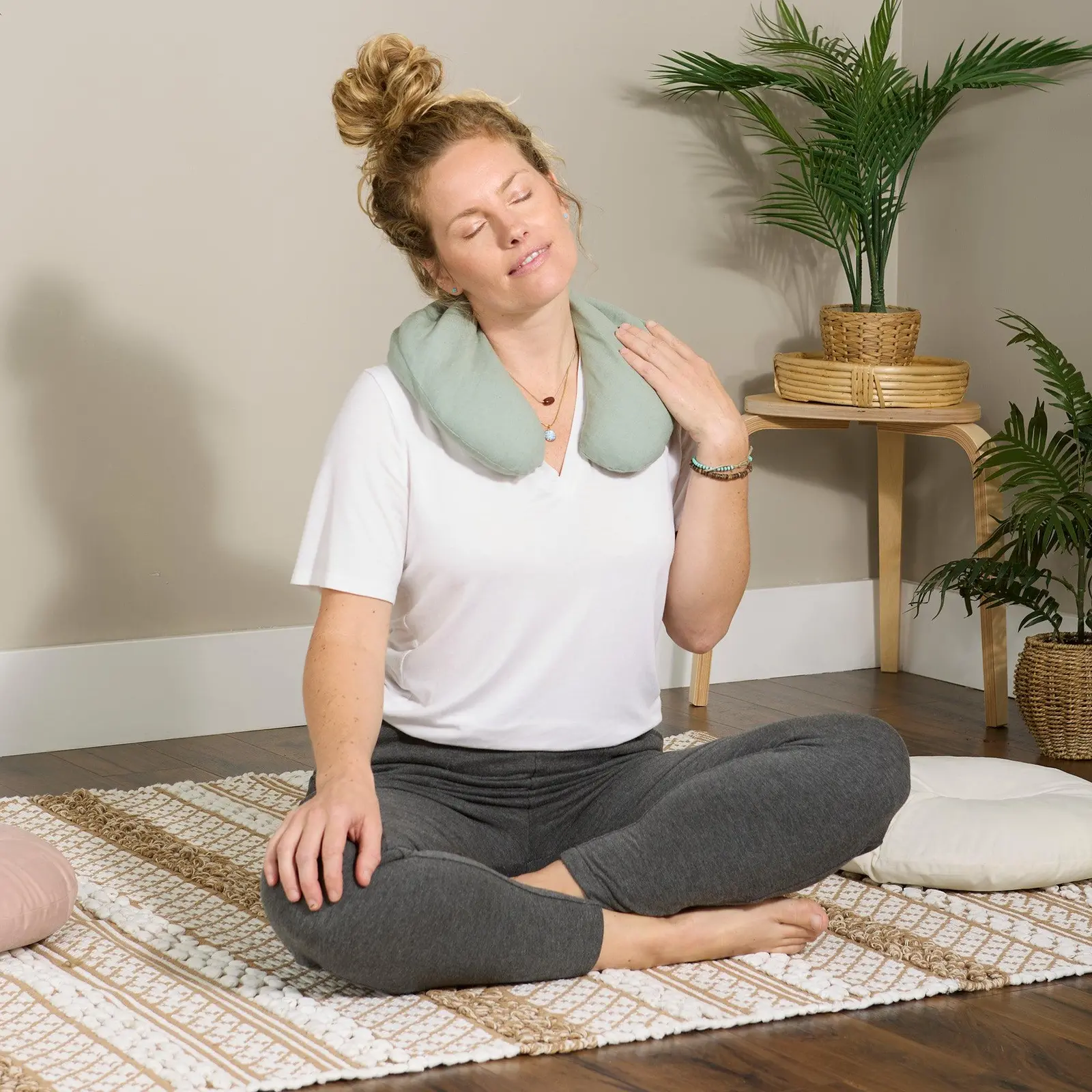
Step 1: Prepare your equipment
You can use one of the following items:
- A clean cotton towel.
- A specialized hot pack.
- A heat-retaining gel pack.
- A leak-proof bottle filled with warm water.
- A heating pad with adjustable temperature settings.
Choose equipment that allows you to control the temperature. Avoid using containers filled with hot water if they cannot be handled safely.
Step 2: Check the temperature
The temperature should be comfortably warm when it touches your skin.
Do not use excessively hot water or a compress with a high surface temperature. If you cannot sense temperature normally because of numbness or a neurological condition, consult a healthcare professional before applying heat.
Step 3: Place it over the painful muscle
Place the towel or hot pack over the area where your muscles feel tight.
There is no need to press firmly on the painful area. Allow the warmth to gently reach the area you want to care for.
Step 4: Keep the compress on for an appropriate amount of time
A general guideline is approximately 15 to 20 minutes per session.
Check your skin while applying the compress. Stop immediately if you experience burning, discomfort, or unusual skin discoloration.
Step 5: Combine it with gentle movement
After applying the compress, you can perform gentle movements to improve flexibility.
Do not stretch forcefully or attempt movements that cause pain.
How to Apply a Cold Compress Correctly
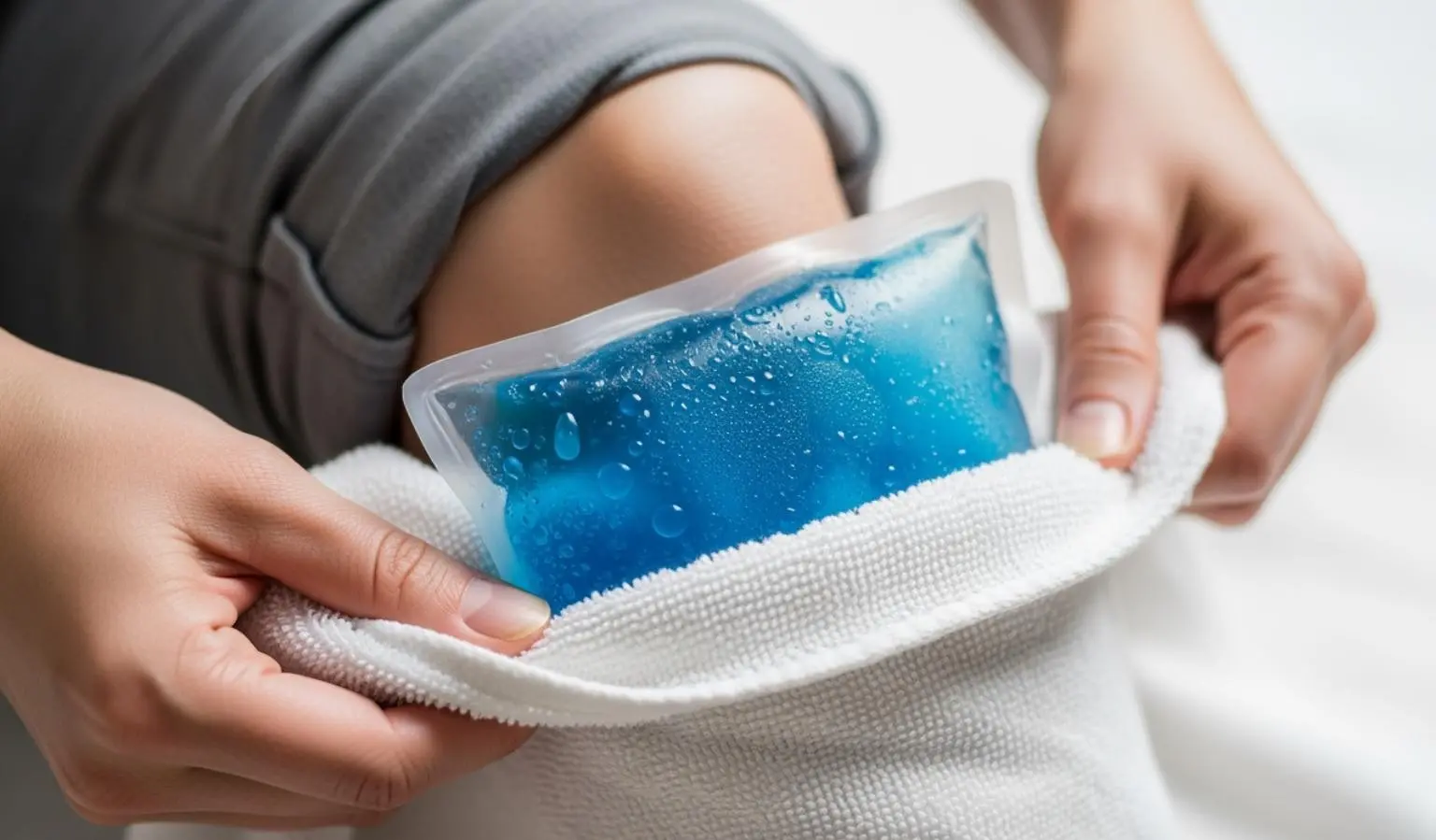
Step 1: Prepare a cold pack
You can use a cold gel pack, an ice pack, or a cold towel.
If you use ice cubes, place them in a sealed bag to prevent direct contact between the ice and your skin.
Step 2: Wrap the cold pack in a towel
This is a very important step.
Never place ice directly on your skin. Extremely low temperatures can damage the skin and underlying tissues.
Use a clean, thin towel as a protective layer.
Step 3: Place the cold pack over the painful area
Gently place the cold pack over the area that needs treatment.
Do not press down hard, rub ice continuously over one spot, or apply a cold pack to an area with reduced sensation.
Step 4: Limit the duration
A general guideline for a standard cold pack is approximately 10 to 15 minutes per session.
After removing the pack, allow your skin to return to its normal temperature before applying another session. If necessary, you may repeat the process after a few hours, provided your skin shows no unusual reaction.
Step 5: Monitor your body's response
Stop applying the compress if you notice:
- Excessive numbness or sharp cold sensations.
- Skin turning unusually pale or bluish.
- Unusual burning pain.
- Blistering or skin discoloration.
- Increasing discomfort.
NHS Inform guidance also recommends using a protective layer when applying cold therapy, limiting the duration, and avoiding this method when circulation or sensation in the affected area is impaired.
NHS Inform +1
Should You Alternate Between Hot and Cold Compresses?
Some people alternate between hot and cold compresses in the hope of relieving pain and relaxing their muscles more quickly.
This approach is commonly known as contrast therapy.
It involves alternating between warm and cold conditions at specific intervals. However, it is not necessary for every case of muscle pain.
Keep the following points in mind:
- Do not alternate temperatures immediately after an acute injury.
- Do not use excessively hot or cold temperatures.
- Avoid this method if you have reduced skin sensation or poor circulation.
- Never endure burning or painful sensations just to continue the treatment.
If you have an injury, a musculoskeletal condition, or an unclear cause of pain, consult a healthcare professional before using contrast therapy.
Should You Use a Hot or Cold Compress for Pain in Different Body Areas?
Different muscle groups have different functions and characteristics. Therefore, you should choose a care method based on the cause and symptoms of the pain rather than the location alone.
Should You Use Heat or Cold for Neck and Shoulder Pain?
If your neck and shoulders hurt because of prolonged computer use, looking down at your phone, or sleeping in an awkward position, a warm compress is often more suitable when there are no signs of an acute injury.
Warmth may help relax the neck muscles, trapezius muscles, and muscles around the shoulder blades.
In contrast, if your neck has been suddenly twisted, struck, or recently injured and is accompanied by swelling and pain, consider cold therapy. Seek medical attention if unusual symptoms occur.
Do not attempt to crack, jerk, or forcefully massage your neck when the cause of the pain has not been identified.
Should You Use Heat or Cold for Back Pain?
Back pain caused by muscle strain after prolonged sitting, poor posture, or an unsuitable sleeping position may often feel better with warmth.
If back pain starts immediately after lifting a heavy object or overexertion, particularly when accompanied by swelling, sharp pain, or limited movement, prioritize an assessment of the injury and consider cold therapy.
In particular, if back pain is accompanied by leg weakness, numbness around the genital area, or problems controlling urination or bowel movements, seek emergency medical care or immediate medical assessment.
Should You Use Heat or Cold for Calf Pain?
Calf muscles often become sore after running, long walks, hiking, or high-intensity exercise.
If your calves feel mildly tight after physical activity without signs of an acute injury, you can rest and consider a warm compress if the muscles feel stiff.
If the pain begins suddenly during running or jumping and is accompanied by swelling and sharp pain, a cold compress may be more appropriate.
One particularly important precaution: sudden swelling in one calf, accompanied by warmth, redness, and pain, should not be dismissed as ordinary muscle soreness. These symptoms may indicate deep vein thrombosis (DVT). Do not massage the area or attempt to treat it with heat. Seek medical attention promptly. If you also experience shortness of breath or chest pain, seek emergency help immediately.
Should You Use Heat or Cold for Thigh Pain?
Thigh muscles experience considerable strain during running, jumping, squats, and weight training.
If you have an acute thigh strain, sudden pain after a particular movement, or signs of swelling and bruising, prioritize protecting the injured area and applying a cold compress correctly.
If you only experience soreness and stiffness after a workout, you can rest, move gently, and choose warmth if it feels comfortable.
Avoid continuing high-intensity leg workouts while your muscles are still noticeably painful.
What Should You Use for Arm and Shoulder Muscle Pain?
Arm muscle pain can occur after lifting heavy objects, working out at the gym, or using a computer for extended periods.
If the pain is caused by mild muscle tightness, a warm compress may help promote relaxation.
If it results from a recent injury and is accompanied by swelling or bruising, a cold compress is generally more suitable.
If left arm pain occurs together with chest pressure, shortness of breath, sweating, or nausea, do not assume it is simply muscle pain. Seek emergency medical assistance.
Summary: Choosing a Compress Based on the Pain Location
The table above is intended as a general reference and does not replace identifying the underlying cause of pain.
Should You Use a Hot or Cold Compress for Muscle Pain After Working Out?
This is a common question among people who exercise regularly.
After a gym session, particularly after weight training or exercises involving muscle groups that are not accustomed to the intensity, you may experience DOMS.
However, it is important to distinguish ordinary post-workout soreness from an actual injury.
How to Tell the Difference Between DOMS and an Acute Muscle Strain
Criteria |
DOMS |
Acute Muscle Strain |
|---|---|---|
Onset |
Begins several hours after exercise |
Usually occurs during physical activity |
Pain sensation |
Dull soreness and stiffness |
Sudden pain that may be sharp |
Location |
The muscle groups recently exercised |
The injured muscle area |
Symptoms |
Pain when contracting or stretching the muscles |
May include swelling and bruising |
Progression |
Usually improves gradually over several days |
Depends on the severity of the injury |
If you have mild DOMS, you do not necessarily need to use a cold pack. Relative rest, gentle movement, and adequate sleep are often helpful.
If your muscles feel stiff, a warm compress may make you more comfortable. If you experience significant pain immediately after exercising or suspect an injury, cold therapy may be considered for pain relief.
How to Care for Your Body After a Gym Session
You can follow these basic guidelines:
- Reduce your exercise intensity while your muscles are still noticeably sore.
- Drink enough water according to your needs and activity level.
- Maintain a balanced diet that includes protein and carbohydrates.
- Get enough sleep to give your body time to recover.
- Try gentle activities such as walking when comfortable.
- Avoid forceful stretching or deep massage on injured muscles.
If you experience unusually severe muscle pain, significant muscle weakness, substantial swelling, or dark brown urine after exercise, seek emergency medical care. These may be signs of rhabdomyolysis.
Can Hot or Cold Compresses Help Muscles Recover Faster?
It is important to distinguish between two different goals: relieving pain and repairing muscle tissue.
A method may help you feel less pain, but that does not necessarily mean the muscle injury has healed faster.
A 2021 systematic review of physical therapy interventions for DOMS found that some approaches, including massage, cold therapy, and active exercise, may help reduce pain. However, the quality of evidence for many interventions was low and inconsistent.
Therefore, do not rely solely on the fact that your pain has disappeared as a reason to immediately return to high-intensity training.
Gradually increase your activity level. Return to strenuous exercise only when your mobility has improved, significant pain has subsided, and there are no signs of injury.
Common Mistakes to Avoid When Using Hot and Cold Compresses
Hot and cold compresses are relatively simple home-care methods. However, incorrect use may cause thermal burns, cold-related injuries, or make your pain worse.
Here are some common mistakes to avoid.
Applying Ice Directly to the Skin
This is a common mistake when using ice cubes to relieve pain.
Some people believe that the colder the ice, the more effective the pain relief. In reality, prolonged direct contact with ice can damage the skin and may even cause an ice burn.
For safer use:
- Place the ice in a sealed bag.
- Wrap the bag in a thin towel.
- Never apply ice directly to the skin.
- Check your skin during the compress session.
- Stop immediately if you experience excessive numbness or unusual skin discoloration.
Applying Heat Immediately After an Injury
When a muscle has just been strained or struck, the injured area may develop an acute swelling and inflammatory response.
Applying heat during this stage is not an appropriate choice, particularly when the muscle is swollen, red, or unusually warm.
Heat may increase local blood flow and make the sensation of swelling more uncomfortable.
Therefore, if you suspect an acute injury, protect the affected area, limit painful movement, and consider cold therapy rather than applying heat immediately.
Applying Compresses for Too Long in the Hope of Faster Pain Relief
Compress sessions should not be prolonged without limits.
Applying heat for too long can cause burns, while prolonged cold exposure may lead to cold-related tissue damage.
General time guidelines:
Method |
Duration per session |
|---|---|
Hot compress |
15 to 20 minutes |
Cold compress |
10 to 15 minutes |
The actual duration should be adjusted according to the body area, type of equipment, skin condition, and advice from a healthcare professional.
Using a Compress That Is Too Hot
Some people use boiling water or extremely hot packs to warm their muscles more quickly.
This can cause burns, particularly on areas with thin skin or in people whose ability to sense temperature is impaired.
Use only comfortably warm temperatures that do not cause burning or pain. If your skin remains red, develops blisters, or feels unusually hot, stop using the compress.
Massaging Forcefully While a Muscle Is Injured
When experiencing muscle pain, many people ask someone else to press, knead, or hit the painful area firmly.
However, if you have an acute muscle injury, forceful massage may increase pain and further irritate the injured tissue.
In particular, avoid deep massage when:
- The muscle has recently been struck or injured.
- There is noticeable swelling or bruising.
- A muscle tear is suspected.
- There are signs of a fracture or ligament injury.
- One calf is swollen and painful for an unclear reason.
Prioritize medical assessment before using methods that directly apply pressure to an injured area.
Applying Heat or Cold to an Area of Skin With Reduced Sensation
People with reduced sensation due to neurological conditions, diabetes, or circulation problems need to be especially careful.
When you cannot accurately sense temperature, you may not realize that your skin is being burned or damaged by cold.
In these situations, do not use compresses on your own unless a healthcare professional has provided guidance.
Relying Only on Compresses Without Changing Daily Habits
Hot and cold compresses mainly help manage pain in certain situations. Neither method can replace changes to the habits and activities that overload your muscles.
If you regularly sit with poor posture, exercise beyond your limits, or do not allow enough time for rest, your pain may continue to return.
For better muscle care, combine appropriate compress techniques with suitable physical activity, adequate rest, proper nutrition, and healthier daily habits.
When Should You See a Doctor for Muscle Pain?
Not every case of muscle pain can be safely managed at home.
Muscle pain may be related to ordinary muscle strain, but it can also result from an injury, nerve damage, infection, musculoskeletal conditions, or other health problems.
Recognizing warning signs is important so that you do not overlook a condition that requires medical treatment.
Severe Muscle Pain After an Injury
You should seek medical assessment if you experience:
- Sudden and extremely severe pain.
- Inability to use or move the affected muscle group.
- Rapidly increasing swelling in the affected area.
- Extensive bruising.
- Inability to stand or bear your body weight.
- A suspected muscle tear or fracture.
If the injured area becomes deformed, numb, cold, or discolored, seek emergency medical assistance.
Muscle Pain Accompanied by Numbness or Weakness in the Arms or Legs
Numbness, muscle weakness, or loss of sensation may be associated with nerve damage or circulation problems.
These are not symptoms that should be managed simply by applying heat, cold, or massage.
If symptoms appear suddenly, particularly together with facial drooping, difficulty speaking, or weakness on one side of the body, call emergency services immediately.
Muscle Pain Accompanied by Fever or Signs of Infection
If muscle pain occurs together with fever, chills, red or hot skin, or unusual fatigue, you should seek medical attention.
Do not apply heat or massage an area where an infection is suspected.
Muscle Pain That Lasts for Several Weeks
If your pain does not improve after rest and home care, you should look for the underlying cause instead of continuing to apply compresses for an extended period.
Medical assessment is particularly important if your muscle pain:
- Returns repeatedly.
- Gradually becomes worse.
- Interferes with your sleep.
- Disrupts work or daily activities.
- Is accompanied by unexplained weight loss.
- Occurs with muscle weakness or prolonged fatigue.
Muscle Pain After Exercise Accompanied by Dark Urine
This is a particularly important warning sign for people who work out at the gym or participate in high-intensity sports.
If you experience severe muscle pain, weakness, muscle swelling, and dark brown urine resembling tea or cola after exercise, seek emergency medical care.
These symptoms may be associated with rhabdomyolysis, a serious condition involving muscle breakdown that can cause kidney complications.
Do not continue exercising or rely only on compresses while waiting for the symptoms to disappear.
Can Massage Help Relieve Muscle Pain and Stiffness?
In addition to hot and cold compresses, massage is another method many people choose when their bodies feel sore after long periods of work or physical activity.
Massage uses techniques such as rubbing, gliding, kneading, and applying pressure to soft tissues to promote relaxation, ease stiffness, and improve comfort.
However, it is important to distinguish spa massage from medical treatment.
Massage cannot replace medical examination, diagnosis, or rehabilitation for serious injuries.
What Are the Benefits of Massage for the Body?
When performed correctly and appropriately for your health condition, massage may offer several benefits:
Helping relax tight muscles
People who sit for long periods or exercise regularly may experience tightness and soreness in the neck, shoulders, back, and legs.
Gentle massage techniques may help reduce the sensation of tension and promote comfort.
Helping relieve muscle soreness
Some systematic reviews of DOMS have found that massage may help reduce muscle soreness after exercise. However, the effects vary between methods, and the quality of evidence is not consistent.
Promoting mental relaxation
Massage in a quiet environment, combined with slow breathing and essential oils, may help reduce stress after a busy working day.
Making everyday movement more comfortable
When stiffness decreases, some people may find it easier to perform their usual daily activities.
When Is It Appropriate to Get a Massage After Muscle Pain?
You may consider gentle massage when:
- Your muscles feel tight after sitting for a long time.
- You experience soreness from everyday activities.
- Your body feels tired after a long day of walking.
- There are no signs of an acute injury.
- There is no unusual swelling, bruising, or sharp pain.
In contrast, avoid massaging an area with a recent injury, swelling, warmth, suspected muscle tear, fracture, or signs of a blood clot.
If you are receiving treatment for an injury, ask your doctor or physical therapist when it is appropriate to begin massage.
Choosing a Suitable Relaxation Treatment at Hutu Spa

If your muscles often feel tight because of work, travel, or physical activity, a gentle body-care session may help you relax and recharge.
At Hutu Spa, you can explore several treatments that may suit your relaxation and body-care needs:
Neck and shoulder massage
This treatment is an option for people who frequently work at a computer, look down at their phones, or experience soreness in the neck, shoulders, and upper back.
The session focuses on muscle groups that are often placed under strain during daily activities and work.
Learn more about neck and shoulder massage at Hutu Spa to understand its benefits, care techniques, and important considerations when choosing this service.
Deep massage with essential oils
This treatment focuses on areas of the body that frequently feel tight and sore. It combines kneading, gliding, and pressure techniques using an appropriate level of force.
Before your session, discuss the areas you would like the therapist to focus on, your preferred pressure level, and your current health condition.
If you would like to understand the differences between various body-care approaches, read our article on what therapeutic massage is and how it differs from relaxation massage.
Hot stone massage
Hot stone massage uses stones warmed to an appropriate temperature, combined with massage techniques to create a relaxing experience.
Warmth may help your body feel more comfortable when muscles are stiff. However, hot stone massage should not be performed over a recent injury, an area with swelling and warmth, or skin with reduced temperature sensation.
Learn more about hot stone massage at Hutu Spa to understand the process and important safety considerations.
Traditional Thai massage
Thai massage combines pressure techniques with passive stretching. It may be suitable for people who want to experience a relaxation treatment that involves body movement.
However, if you have muscle pain caused by an injury, a spinal condition, or limited mobility, your condition should be assessed before performing stretching movements.
Learn more about traditional Thai massage to help you choose a suitable body-care experience.
When Should You Avoid Massage?
Although massage can promote relaxation, you should not book a treatment without first checking whether it is appropriate in the following situations:
- You have just sustained an injury or a muscle tear is suspected.
- The affected muscle is swollen, warm, red, or bruised.
- You have an open wound or skin infection.
- You have a fever or an acute illness.
- One calf is swollen and painful for an unclear reason.
- You have a history of deep vein thrombosis.
- You are taking anticoagulants or have a blood-clotting disorder.
- You have severe osteoporosis or have recently undergone surgery.
In particular, spa therapists should be informed about your health condition before performing any treatment. If you have unusual pain, prioritize medical assessment rather than trying to relieve it through massage.
How to Prevent Recurring Muscle Pain
In addition to knowing when to use a hot or cold compress, building healthy daily habits is an important way to reduce recurring muscle pain.
Warm Up Before Exercise
Warming up helps your body gradually transition from rest to physical activity.
You can walk gently, rotate your joints, and perform movements appropriate for the muscle groups you are about to exercise.
Avoid starting with high-intensity exercises before your body is ready.
Increase Exercise Intensity Gradually
One common cause of muscle soreness is increasing your training volume too quickly.
For example, if you previously ran only 2 km a day, you should not suddenly increase your distance to 10 km without allowing your body time to adapt.
Gradually increase exercise duration, intensity, and volume according to your physical ability.
Maintain Proper Working Posture
If you work in an office, pay attention to the following:
- Position your screen at eye level.
- Keep your back supported.
- Relax your shoulders.
- Avoid continuously looking down at your phone.
- Keep your feet comfortably supported on the floor.
- Stand up and move around every 45 to 60 minutes.
These small adjustments can help reduce strain on muscle groups that remain active throughout the day.
Rest and Get Enough Sleep
Sleep plays an important role in recovery after physical activity.
Lack of sleep may make you feel tired, reduce your ability to move comfortably, and make it harder to maintain an exercise routine.
Establish a consistent sleep schedule, limit electronic device use immediately before bedtime, and create a comfortable sleeping environment.
Maintain Adequate Nutrition and Hydration
Your body needs energy, protein, carbohydrates, vitamins, and minerals to function normally.
Maintain a balanced diet and drink enough water according to your needs and activity level.
Do not use supplements on your own to relieve pain or accelerate muscle recovery without understanding your body's actual needs.
Stretch and Move Gently
After physical activity, you can perform gentle cool-down movements and stretches.
There is no need to stretch forcefully or try to achieve a large range of motion if your body is not ready.
If you experience sharp pain, stop the movement.
Make Regular Time for Body Care
For people who work at high intensity, sit for long periods, or walk frequently, making time for body care is also important.
You can combine the following habits:
- Gentle walking.
- Moderate exercise.
- Appropriate rest.
- Relaxation massage when suitable.
- Adjustments to your working posture.
- Monitoring unusual signs of muscle pain and soreness.
Regular body care does not mean that you must receive massage frequently at all costs. The important thing is to choose methods that suit your health condition and actual needs.
Frequently Asked Questions About Hot or Cold Compresses for Muscle Pain
1. Should I Use a Hot or Cold Compress for Muscle Pain?
It depends on the cause of the pain. If a muscle has just been injured and is swollen or sharply painful, a cold compress is generally more suitable. If the muscle is stiff or has dull soreness from prolonged sitting or sleeping in an awkward position, a warm compress may help relax it and ease discomfort.
2. Should I Use a Hot or Cold Compress for Muscle Pain After Working Out?
If you only have delayed-onset muscle soreness (DOMS), you can choose heat or cold depending on how your body feels. Both methods have some evidence supporting their ability to relieve pain in certain situations, but there is no definitive conclusion that one method is always better.
If the pain begins suddenly during exercise, is accompanied by swelling, or suggests a muscle strain, you should prioritize treating it as an acute injury.
3. How Long Should I Use a Cold Compress Before Switching to Heat?
There is no fixed timeline that applies to every case.
For an acute injury, avoid heat while the affected area remains noticeably swollen and warm. Once the acute symptoms have subsided and the main remaining issue is muscle stiffness, you may consider switching to warmth if it feels comfortable.
If the injury is severe or prolonged, ask a doctor rather than deciding on your own when to change methods.
4. Can a Hot Compress Help Relax Tight Muscles?
A hot compress may help reduce the sensation of stiffness and muscle spasms while making soft tissues feel more comfortable. For this reason, warmth is sometimes used before gentle movement or stretching in certain situations.
However, heat therapy cannot replace rehabilitation exercises when a muscle injury is present.
5. Can an Ice Pack Help Reduce Muscle Inflammation?
Cold therapy can lower tissue temperature, reduce pain sensation, and help manage swelling in acute injuries. However, this does not mean that an ice pack can treat every type of muscle inflammation or help muscle tissue recover faster.
If your muscle pain persists, keeps returning, or has no clear cause, seek medical assessment.
Conclusion
So, when dealing with muscle pain, should you use a hot or cold compress? The right choice depends on the cause and symptoms of the pain.
Cold compresses are generally suitable for recent muscle injuries accompanied by swelling or sharp pain. Hot compresses are usually more appropriate for muscle stiffness, dull soreness, and spasms without acute swelling.
Regardless of the method you choose, pay attention to the temperature, duration, and your skin's response. Do not massage forcefully or continue exercising if you suspect an injury.
In addition to home care, maintaining proper working posture, exercising within your limits, getting enough rest, and making time to relax your body are also important for preventing recurring soreness.
If you frequently experience tightness in your neck, shoulders, or back, or feel physically exhausted after long working days, you can explore the relaxation massage treatments at Hutu Spa. Choose a service that suits your physical condition, inform the therapist about your health, and only receive massage when there are no contraindications.
Hutu Spa hopes to accompany you on your journey toward better body care, mental relaxation, and a healthier quality of life every day.