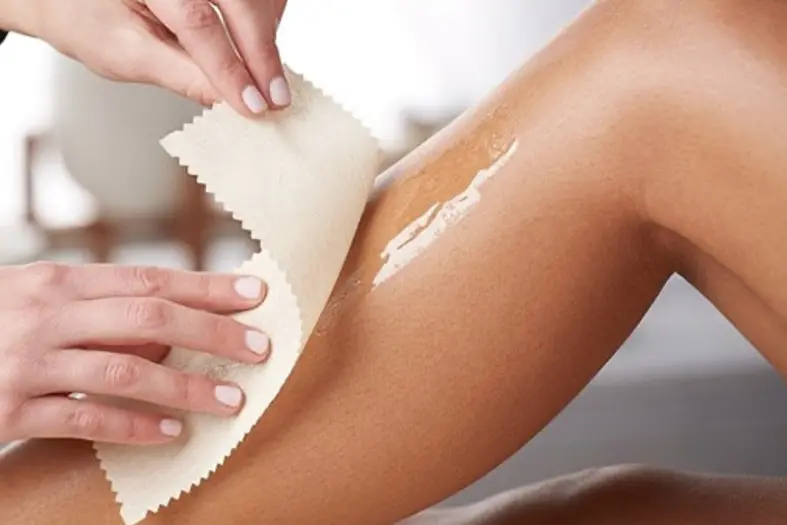
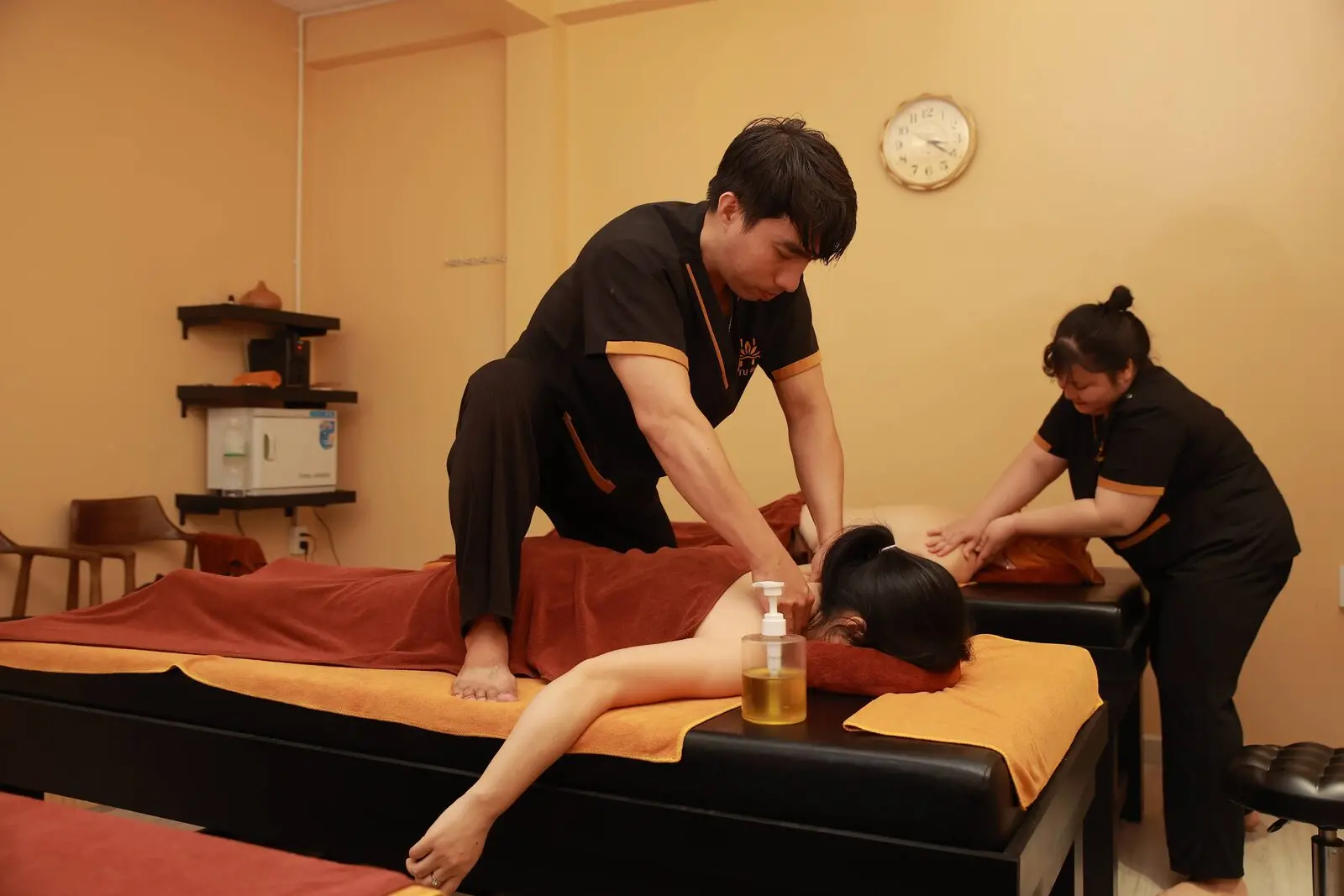
A facial is an intensive skincare treatment at a spa or beauty clinic, consisting of consecutive steps such as skin consultation, cleansing, exfoliation, facial massage, masking, and moisturization. Each session is performed by a technician tailored to your unique skin condition, usually lasting about 60 to 90 minutes.
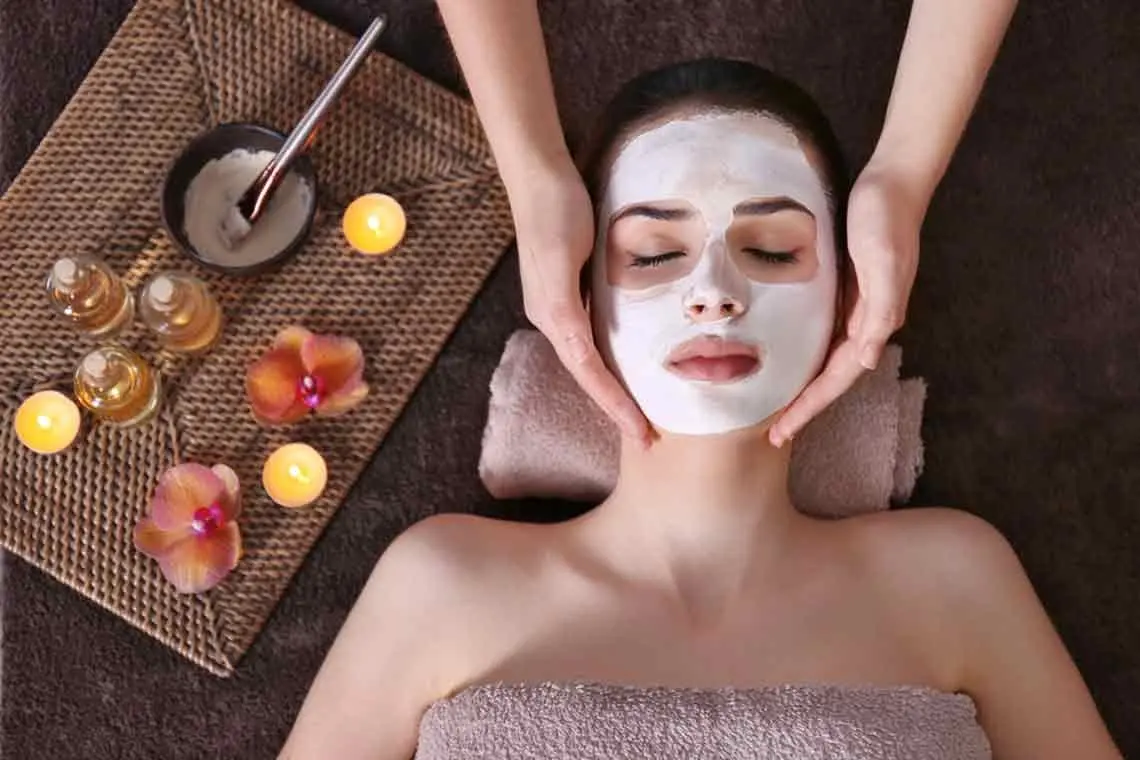
Many people hear about facials from friends, social media, or hotel room bookings, yet remain unclear about how a facial differs from washing your face, applying a sheet mask, or getting a massage. Some expect a single facial session to transform their skin overnight, while others think it is merely a relaxation service. Both misconceptions are inaccurate.
This article explains what a facial is in the simplest terms: what steps it includes, what it can and cannot do for your skin, who should get one, how often, and how to choose a trustworthy spa. If you are in or visiting Nha Trang, the final section provides specific guidance for recovering your skin after days under the coastal sun.
Quick Summary
- A facial is a step-by-step intensive facial skincare treatment, distinct from daily face washing.
- A standard facial usually comprises 6 to 7 steps, lasting 60 to 90 minutes.
- Facials leave skin clean, hydrated, soft, and provide relaxation, but they do not cure severe acne, melasma, or replace medical treatments.
- The recommended frequency is every 2 to 4 weeks, depending on skin type.
- Daily sunscreen is more important than any facial session.
What Is a Facial?
A facial is the familiar term for intensive facial skincare within the spa and beauty industry. In English, "facial" is an adjective referring to the face. When used as a noun in beauty, it denotes a skincare session performed by a professional aesthetician.
In Vietnam, you may encounter three terms referring to the same service group: "going for a facial", "facial spa", and "intensive facial care". While the content varies by establishment, the general framework includes cleansing, removing dead skin cells, stimulating massage, masking, and moisturization.
You will also see the word "facial" appear in various combinations, each with its own meaning:
- Facial mask: A skincare mask used at home or as a step within a treatment.
- Facial massage: Facial massage technique, which is one step of a facial.
- Facial wash, facial foam: Cleansing products for the face.
- Facial oil: Face oil products.
- Facial recognition: Face recognition technology (unrelated to beauty).
This means "facial" used alone refers to the entire treatment, whereas when paired with another word, it specifies an individual product or technique.
How Does a Facial Differ from Home Cleansing and Masking?
The difference lies in the level of impact, the practitioner, and the degree of personalization. Washing your face or applying a mask at home consists of only one or two steps, whereas a facial is a curated sequence designed so that each step amplifies the benefits of the next.
- Number of steps: Home care usually includes 3 to 5 basic steps, whereas a spa facial includes 6 to 7 consecutive steps.
- Practitioner: At home you perform it yourself, while at a spa it is done by a trained technician.
- Cleansing level: Home care cleans the surface and pores at a basic level. At a spa, skin is deep-cleaned via steaming, exfoliation, and acne extraction when necessary.
- Facial massage: Often skipped or done casually at home, while spas offer methodical massage techniques.
- Personalization: At home you use your available products, whereas spa treatments are adjusted based on a direct skin assessment.
- Frequency: Home care occurs daily, while spa facials are typically done every 2 to 4 weeks.
The two approaches are not mutually exclusive. Home care forms the foundation; facials serve as periodic enhancement. If the foundation is weak, even the best facial will struggle to maintain long-lasting results.
What Are the Steps in a Facial Routine?
A standard facial usually comprises 6 to 7 progressive steps, moving from light to deep and ending with skin protection. While individual spas may adapt the sequence slightly, the standard order is as follows:
- Consultation and Skin Analysis: The technician asks about your skin type, habits, current products, allergy history, and medications. This step determines the products and techniques used later.
- Makeup Removal and Cleansing: Eliminates makeup, sunscreen, surface dirt, and excess oil accumulated during the day.
- Exfoliation: Sloughs off dead skin cells to smooth the skin surface and enhance nutrient absorption in subsequent steps.
- Steam and Extraction (if needed): Warm steam softens the skin and opens pores. Extractions are performed only when necessary, using sterilized tools.
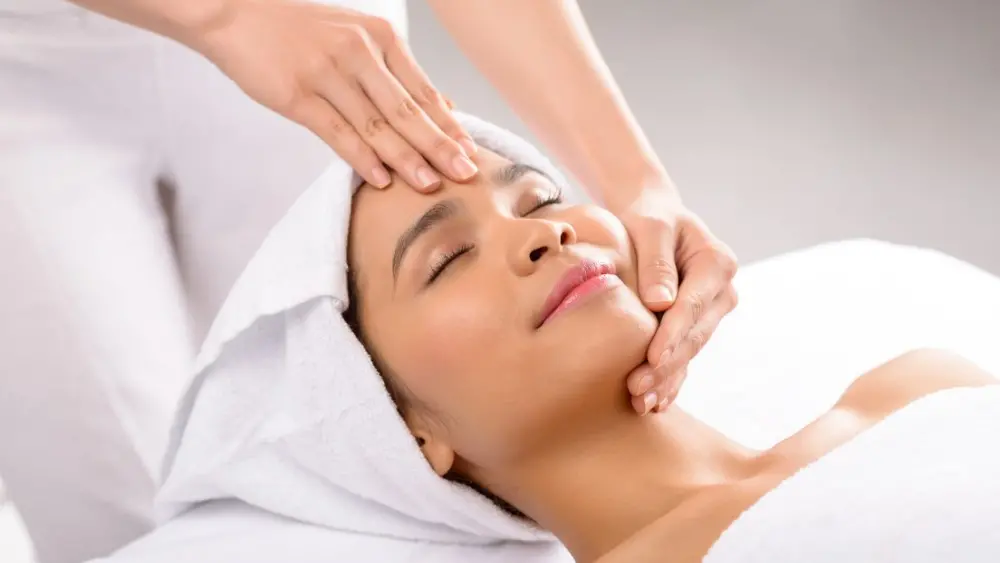
- Facial Massage: Gentle movements stimulate circulation, release facial muscle tension, and offer the most noticeable relaxation of the session.
- Mask Application: Hydrating, soothing, or brightening masks selected for your skin type, left on for 10 to 20 minutes.
- Moisturization and Sunscreen: Locks in hydration and protects vulnerable post-treatment skin.
These six core steps align closely with the standard spa facial procedure practiced at HUTU SPA, with technicians always opening by inspecting your skin prior to product selection.
What Does a Facial Do for Your Skin?
Facials leave skin cleaner, better hydrated, and smoother, while offering deep mental relaxation. These benefits are practical and well-grounded:
- Deeper Cleansing than Daily Routines: Steaming and exfoliation help purge sebum, dirt, and dead skin cells from the skin surface.
- Hydration and Nourishment: Masks and moisturizers are applied onto thoroughly cleansed skin, absorbing better and leaving it plumper and softer.
- Improved Surface Circulation: Massage gives the skin a healthy, rosy glow post-session.
- Smoother, More Even Skin Texture: Removing old skin cells helps brighten appearance and allows makeup to apply evenly.
- Supports Reduction of Blackheads and Clogged Pores: Regular deep cleaning minimizes congestion.
- Stress Reduction: Quiet ambiance, subtle aromas, and tactile massage help soothe the nervous system. For many, this is the primary reason to return.
- Builds Good Skincare Habits: Skilled technicians guide you on proper home care so results last longer.
Note that these are maintenance benefits, not medical cures. Results depend on initial skin condition, technician skill, and your home routines between sessions.
What Can a Facial NOT Do? Common Misconceptions
Facials are not magic. Understanding their limitations prevents disappointment and saves money. Here is what facials cannot do:
They do not cure severe acne, melasma, or freckles. Facials aid cleanliness, but severe inflammatory acne or pigmentation disorders require evaluation and treatment by a dermatologist.
They cannot replace cosmetic procedures. Botox, fillers, or lasers work through entirely different mechanisms. Facials do not lift sagging muscle or erase deep wrinkles.
They do not "detoxify" skin in a medical sense. The concept of "skin detox" lacks medical grounding; toxins are processed by the liver and kidneys. Facials simply clean surface buildup.
They do not replace your daily skincare routine. What determines your skin health is what you do morning and evening. A facial works best when your daily foundation is solid.
They are not universally safe for all skin conditions. Active skin inflammation, sunburns, rosacea, or eczema require prior medical advice. Steps like hot steam or extractions can aggravate inflamed skin.
A reputable spa will be upfront about these limitations rather than making unrealistic promises.
Popular Types of Facials
Facials can be grouped into 4 primary goal-oriented categories: basic cleansing, hydration, oil/acne support, and soothing sensitive skin. Advanced technological facials also exist.
Basic Facial
The most common option, including complete cleansing, exfoliation, massage, masking, and moisturization. Ideal for beginners or maintaining healthy skin without severe issues.
Hydrating Facial
Tailored for dry, dehydrated, or sun-damaged skin. Prioritizes moisture masks and hydrating serums while avoiding aggressive surface treatments.
Oily & Acne-Prone Skin Facial
Focuses on clearing pores, controlling sebum, and mild extractions. For severe inflammatory acne, consult a dermatologist rather than relying on spa facials. Never squeeze pimples at home as it leads to scarring.
Soothing Facial for Sensitive Skin
Uses mild products and eliminates irritating steps like hot steam or harsh scrubs. Always inform your technician if you have sensitive skin upfront.
Advanced Tech Facials
Some establishments offer device-assisted facials such as hydro-dermabrasion (e.g., Hydrafacial), diamond microdermabrasion, LED light therapy, or gentle chemical peels. These require specialized equipment and trained operators, reflecting in different pricing structures.
Choosing a Facial Based on Your Skin Type
If unsure where to start, rely on your skin's characteristics to prioritize:
- Oily Skin: Shiny appearance, enlarged pores, blackhead-prone. Focus on deep cleansing and oil control; avoid heavy products.
- Dry Skin: Tightness, flaking, lack of softness. Focus on hydration and nourishing masks; limit harsh exfoliation.
- Combination Skin: Oily T-zone, dry cheeks. Requires zone-specific care balancing cleansing and hydration.
- Sensitive Skin: Easily reddened, stinging, reactive. Use gentle formulations and bypass hot steam if needed.
- Sun-Exposed Skin: Dull, dry, tired. Focus on gentle cleansing, hydration, soothing, and barrier protection.

Who Should Get a Facial and When Should You Postpone?
Most healthy adults benefit from facials. They are especially suited for office workers, frequent sun-exposed individuals, makeup users, and anyone seeking self-care time.
You should postpone or consult a doctor/technician first if you have:
- Active sunburns, peeling skin, or open facial wounds.
- Severe inflammatory acne, herpes outbreaks, or skin infections.
- Rosacea, eczema, contact dermatitis, or visible broken capillaries.
- Recent oral acne medications (e.g., isotretinoin) or high-potency topical retinoids.
- Recent chemical peels, laser treatments, or filler injections.
- Pregnancy or nursing status without prior medical advice.
Sharing this information ensures technicians adapt products and steps safely for your skin.
How Often Should You Get a Facial?
A general guideline is every 2 to 4 weeks, matching the natural skin cell turnover cycle of about 28 days in healthy adults. Tailored by need:
- Healthy Skin Maintenance: Every 3 to 4 weeks.
- Oily, Congested Skin: Every 2 to 3 weeks, as advised by your aesthetician.
- Dry or Sensitive Skin: Less frequently, prioritizing gentle soothing sessions.
- Event Preparation: Schedule 2 to 3 days before an event so your skin settles.
Over-treating does not accelerate results; it can thin the skin and trigger sensitivity. When in doubt, start with one session and observe your skin's response over several days.
Does a Facial Hurt? Is It Safe?
Facials are generally painless and deeply relaxing. You might feel slight pressure during extractions or warm sensations during steaming. If you experience burning, sharp pain, or overheating, inform your technician immediately.
Safety risks stem primarily from unsuitable products, unsterilized tools, or overly aggressive techniques. Choose spas with clear procedures, communicate your skin history, and ask about products being used.
Regarding essential oils: facial skin is far more sensitive than body skin. While essential oils are wonderful for full-body relaxation, such as Aroma Massage using natural oils, facial applications require careful selection and dilution, especially for reactive skin types.
Pre- and Post-Facial Care Tips
Proper preparation and post-care dictate most of your experience and result longevity.
Before Your Facial:
- Arrive with a clean face or light makeup removal so technicians can assess your true skin.
- Discontinue strong home exfoliants for at least 48 hours prior.
- Inform the spa about medications, allergies, and active topical products.
- If planning facial waxing, consult your technician regarding proper spacing between treatments.
After Your Facial:
- Apply broad-spectrum sunscreen (SPF 30+) and wear protective hat/shades outdoors.
- Keep skin hydrated and avoid heavy makeup on the first day.
- Do not squeeze pimples or apply strong acids/retinoids for 24–48 hours.
- Avoid saunas, steam rooms, ocean swimming, or heavy sweating on day one if skin feels sensitive.
- Drink plenty of water and rest well.
Post-facial skin is extra sensitive, making sun protection non-negotiable—especially in coastal destinations.

Can Home Facials Replace Spa Facials?
Home care maintains the foundation, while spa facials provide deep cleansing and relaxation hard to replicate yourself. They complement rather than replace each other.
A basic home routine includes:
- Morning: Gentle cleanser, moisturizer, sunscreen.
- Evening: Makeup remover, cleanser, moisturizer (plus serum if suitable).
- Weekly: Exfoliate 1–2 times and apply hydrating masks.
For full-body glow beyond facial skin, spas also provide body scrub treatments for smoother skin tone.
Avoid unsterilized DIY extractions at home; risks of infection, scarring, and hyperpigmentation far outweigh any benefit.
Combining Facials with Massage for Complete Rest
If your goal is relaxation, facials are great but not your only choice. Understand the distinction: facials target skin health, while body massage targets muscle relief. Learning what therapeutic massage is helps you select the right service for your needs.
Facial fatigue often mirrors body fatigue. Desk workers with tight neck and shoulder tension often suffer headaches and dull skin. Combining a neck and shoulder massage with a facial relaxes both body and mind in a single visit. For deeper warmth, Hutu Signature Massage combining essential oils and hot stones is an excellent consideration.
For travelers walking all day, foot care is equally rejuvenating. Foot reflexology massage offers gentle recovery when time is limited.
How to Choose a Reliable Facial Spa
A good spa listens first, evaluates your skin, and then recommends treatments. Check these criteria:
- Offers Consultation & Skin Analysis: Reconsider any spa that starts treatment without asking about your skin.
- Transparent, Safe Products: You have the right to ask product names and ingredients.
- Hygiene & Sterilization: Towels, extraction tools, and linens must be spotless.
- Honest Boundaries: Professionals do not promise "overnight cures" or absolute guarantees.
- No Hard Selling: Recommendations should reflect your actual needs.
- Real Reviews: Check Google Maps reviews for comments on cleanliness and staff attitude.
- Clear Pricing: Pricing should be transparent upfront.
Facials While Traveling in Nha Trang: Why Skin Needs Rest After Sun & Sea
Sun, sea salt, wind, and climate changes can leave facial skin dry, dull, and reactive. After a day at the beach, skin often feels tight or warm.
A gentle facial cleanses salt, sunscreen, and sand while restoring lost moisture. If sunburned or red, prioritize calming formulas over scrubs or hot steam, and notify your technician beforehand.
To enhance your vacation, schedule a facial at the end of the afternoon after beach outings. Read more in our guide on relaxing experiences when visiting Nha Trang.
Facial Care at HUTU SPA Nha Trang
HUTU SPA is a relaxing spa and massage facility in central Nha Trang providing facial care with natural products tailored for deep hydration after beach activities. The spa holds a 4.9/5 rating on Google from over 1,745 reviews.
What to expect at HUTU SPA:
- Direct Consultation: Treatments and prices are customized to skin conditions.
- Natural, Gentle Ingredients: Safe formulations suited for diverse skin types.
- Private, Peaceful Ambiance: Cozy rooms and soft music for complete relaxation.
- Dedicated Technicians: Professionally trained and attentive to your feedback.
- Welcoming International Guests: Easy communication via Zalo, KakaoTalk, WhatsApp.
- Complimentary Welcome Drinks & Desserts.
Explore our facial skincare services at HUTU SPA or combine with massage treatments. If comparing spa options, learn why guests return in our guide on why choose HUTU SPA in Nha Trang.
Contact Information
- Address: 5 Hong Bang, Nha Trang City, Khanh Hoa
- Hotline & Zalo: 0396 161 183
- Opening Hours: Daily from 10:00 to 22:00 (last booking at 21:00)
Frequently Asked Questions About Facials
What is a facial in short?
A facial is an intensive spa skincare treatment involving cleansing, exfoliation, massage, masking, and moisturization customized to individual skin needs.
What are the benefits of a facial?
Facials deep-cleanse, hydrate, smooth texture, boost micro-circulation, and promote relaxation. They do not cure medical skin conditions.
Are facials good for your skin?
Yes, when performed with suitable products, correct frequency, and skilled hands. Incorrect technique can cause irritation, so communicate skin history clearly.
How often should you get a facial?
Typically every 2 to 4 weeks. Oily skin may benefit from slightly higher frequency; dry or sensitive skin should space sessions further apart.
Do facials hurt?
Generally no. Mild pressure during extractions is normal. If you feel pain or burning, inform your technician immediately.
Can sensitive skin get a facial?
Yes, provided soothing formulations are used and extractions/steam are minimized. Consult a dermatologist if experiencing active rosacea or severe eczema.
Conclusion
A facial is an intensive skincare treatment combining cleansing, deep hydration, and mental rest. It works best when paired with realistic expectations, a trusted spa, appropriate protocols, and consistent daily care—especially sunscreen. If visiting Nha Trang, contact HUTU SPA for customized facial care. Book online or call 0396 161 183.