What to do for neck and shoulder pain when it strikes after a long day at the computer, a bad sleeping position, or a long journey? The short answer: immediately reduce the load on your muscles, apply cold or warm compresses at the right time, stretch gently, adjust your working and sleeping postures, and see a doctor if you experience warning signs like arm numbness, weakness, fever with a stiff neck, or pain lasting several weeks. Most cases caused by muscle tension improve with proper self-care.
This article is compiled by the HUTU SPA team in Nha Trang from our practical experience serving clients with neck and shoulder pain, along with guidelines from reputable medical organizations. You will learn common causes, home treatment steps, stretching exercises, when massage helps, and when seeing a doctor is mandatory.

Quick Summary: What to Do for Neck and Shoulder Pain in the First 24 Hours
- Stop staying in one position for too long; stand up, walk around, and relax your shoulders.
- Apply a cold compress if you just sprained your neck or have acute swelling/pain; use a warm compress if muscles are stiff and dull-aching.
- Stretch gently, and stop immediately if you feel sharp pain or numbness radiating down your arms.
- Lightly massage or press acupoints on the neck and shoulder area—do not apply excessive pressure.
- Use a pillow of medium height so your neck aligns with your spine while sleeping.
- See a doctor if pain follows an injury, or if you experience arm weakness, fever with a stiff neck, or pain that does not improve after a few weeks.
What Is Neck and Shoulder Pain and Why Is It So Common?
Neck and shoulder pain is a condition of soreness, fatigue, or stiffness at the back of the neck, extending across both shoulders and sometimes spreading up to the head or down to the upper back. This area consists of multiple muscle layers, such as the trapezius, levator scapulae, and suboccipital muscles, which are responsible for keeping your head upright and allowing you to tilt, rotate, and extend your neck. An adult head weighs about 4 to 5 kg resting on a relatively small cervical spine, so even minor posture deviations force these posterior muscles to overwork continuously.
When muscles remain contracted for too long, blood flow decreases, muscle fibers harden, and sensitive trigger points develop. The pain can then radiate up to the head, down to the shoulder blades, or into the arms. According to general medical literature, neck pain caused by muscle strain usually subsides within a few days, while persistent pain often improves through movement, stretching, physical therapy, and massage. A small minority of cases stem from other causes like cervical spondylosis or nerve compression, which is why recognizing warning signs is essential.
Common Causes of Neck and Shoulder Pain
Understanding the exact cause helps you choose the right remedy rather than blindly trying every method. Below are the three most common causes among adults.
Neck and Shoulder Pain from Computer and Smartphone Use
This is the leading cause among office workers. Looking down at a screen positions the head forward, shoulders rounded, and upper back slouched. The muscles at the back of the neck must pull constantly to prevent the head from dropping forward, while the chest muscles in front become shortened over time. Looking down at a phone for hours produces a similar effect.
Common signs include a heavy sensation behind the neck by late afternoon, aching shoulders while typing, and occasional tension headaches around the temples or the back of the head.
Neck Pain Upon Waking Up
Many people wake up with a stiff neck that cannot turn to one side. The cause is often a pillow that is too high or too low, sleeping stomach-down with the neck twisted, lying directly in front of cold air conditioning, or falling asleep upright in a chair. Being held in an awkward position for hours causes muscles to spasm when you move in the morning. This type of pain usually eases within a few days with warm compresses and gentle movement.
Stress, Sleep Deprivation, and Uneven Weight Bearing
Under stress, the body unconsciously shrugs the shoulders, clenches the jaw, and tenses neck muscles. Poor sleep impairs muscle recovery, making pain linger. Carrying heavy bags on one side, lifting heavy objects, long-distance driving, or improper weightlifting techniques also overload these muscles. If pain routinely peaks during stressful periods, a gentle Aroma Massage with natural essential oils can help your body unwind, though addressing root habits and rest schedules remains essential.
What Should You Do at Home Immediately?
When pain first begins, the four simple steps below are often enough to relieve discomfort within a few days. Follow them in order and pay attention to how your body responds.
Step 1: Change Posture and Rest the Muscles
First, stop whatever activity is straining your muscles. Stand up, walk around for a few minutes, let your shoulders drop, and breathe slowly. Resting does not mean staying completely immobile in bed all day. Gentle movement typically aids faster recovery than keeping your neck rigid. If you work continuously, set a reminder to stand up every 45 to 60 minutes.
Step 2: Cold vs. Warm Compress?
The choice depends on the timing and nature of your pain. The table below helps you choose quickly:
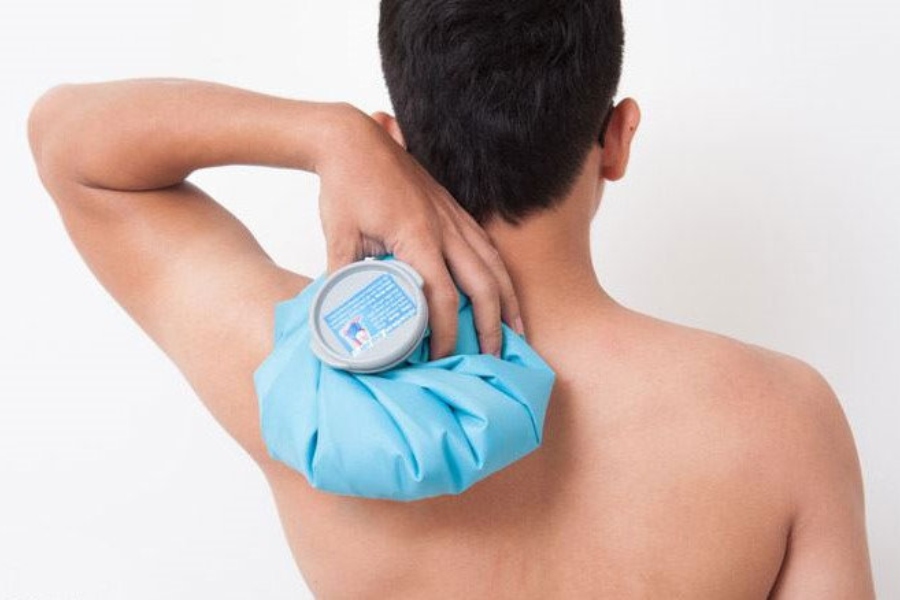
CriteriaCold CompressWarm CompressWhen to UseJust sprained neck, swelling, sharp pain in the first 24–48 hoursStiff muscles, dull ache from prolonged sitting or poor sleep postureDuration per Session10 to 15 minutes15 to 20 minutesHow to ApplyWrap ice pack in a thin towelUse a warm towel or warm compress pad (not too hot)CautionsDo not place ice directly on skinDo not apply if skin is red, swollen, hot, or while sleeping For most office workers with sitting-related pain, a warm compress before stretching feels pleasant because heat softens muscle tissue. If pain increases after applying heat, stop immediately.
Step 3: Gentle Self-Massage and Acupressure
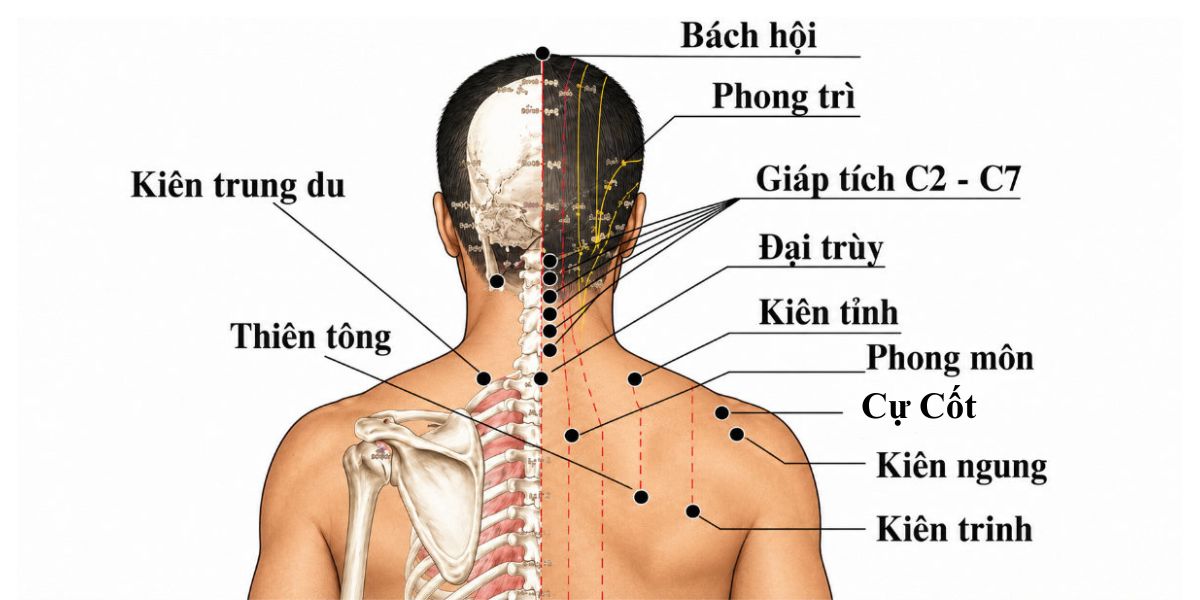
Use your fingertips to gently knead the back of your neck and top of your shoulders for 2 to 3 minutes. Two well-known acupressure points are Fengchi (GB20), located in the hollows at the base of the skull, and Jianjing (GB21), halfway between the neck base and the outer shoulder edge. Press gently, hold for 3 to 5 seconds, and release; repeat several times. You should feel a pleasant sensation of relief, not sharp pain.
Avoid excessive force, never crack or jerk your neck, and pregnant women should avoid pressing the Jianjing point. Hard-to-reach deep tension spots are why many people seek professional technicians, as discussed in the massage section below.
Step 4: Choose the Right Pillow and Sleeping Posture
A good pillow keeps your neck aligned with your spine without tilting your head too far forward or backward. When sleeping on your back, the pillow should support the natural curve of your neck. When sleeping on your side, the pillow height should fill the gap between your shoulder and head. Avoid sleeping on your stomach, which twists your neck for hours. If you repeatedly wake up with neck pain, try replacing your pillow first.
Regarding over-the-counter pain relievers, consult a pharmacist or doctor to select the right medication and dosage, especially if you have stomach issues, kidney conditions, or take other medications.
Neck and Shoulder Stretches for Office Workers
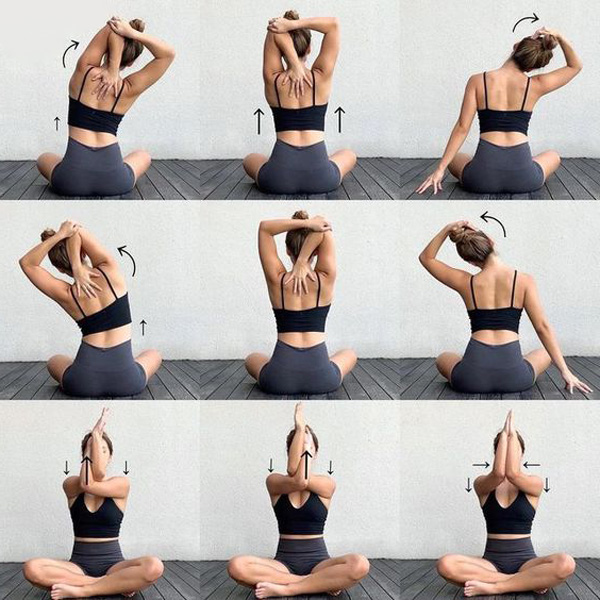
Gentle stretching reduces stiffness and maintains your neck’s range of motion. Hold each stretch for 15 to 30 seconds, repeat 2 to 3 times, breathe evenly, and stop if you feel sharp pain or numbness in your arms.
- Chin Tucks: Sit upright and gently draw your chin straight back as if forming a "double chin," holding for 5 seconds. This activates deep neck flexors and reduces forward head posture.
- Side Neck Stretch: Lower your ear toward your shoulder on the same side while keeping the opposite shoulder down. You may rest a hand lightly on your head without pulling.
- Shoulder Rolls: Lift both shoulders toward your ears, roll them backward, and lower them down; repeat 10 times.
- Doorway Chest Stretch: Place both forearms against a doorframe and step forward slightly to stretch tight chest muscles.
- Clasped-Hands Forward Stretch: Interlace your fingers, push your palms forward, and slightly round your upper back to stretch the area between your shoulder blades.
If you prefer assisted stretching over solo exercises, Traditional Thai Massage combining acupressure with passive stretching techniques can be helpful. Because some stretches are deep, inform your technician beforehand if you have spinal conditions, herniated discs, osteoporosis, or are pregnant.
Optimize Your Workstation to Prevent Pain Recurrence
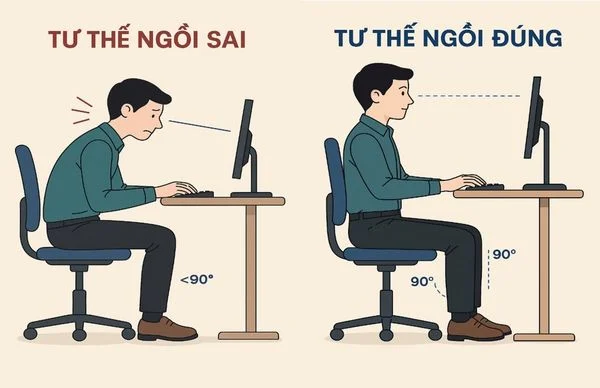
Compresses and stretching address symptoms. To keep pain from returning, fix the habits causing overload. The following ergonomic adjustments often produce noticeable improvements in just 1 to 2 weeks:
- Screen: Position the top edge of your monitor at eye level, about an arm's length away. Use a laptop stand if working on a laptop.
- Arms & Shoulders: Keep elbows bent at roughly 90 degrees, shoulders relaxed without hunching while typing or using the mouse.
- Chair: Ensure lumbar support, feet flat on the floor, and knees slightly below or level with hips.
- Phone: Raise your phone to eye level instead of bending your head down.
- Breathing & Movement Breaks: Stand up, roll your shoulders, and walk for 5 minutes every 45 to 60 minutes.
- Bags: Alternate shoulders regularly and lighten unnecessary load.
Should You Get a Massage for Neck and Shoulder Pain?
Yes, provided your pain is caused by muscle tension and you exhibit no red-flag medical symptoms. General medical literature notes that massage therapy effectively eases muscle stiffness in individuals with chronic neck discomfort. The key is proper technique, timing, and not substituting massage for medical evaluation when necessary.
How Does Massage Help Neck and Shoulder Muscles?
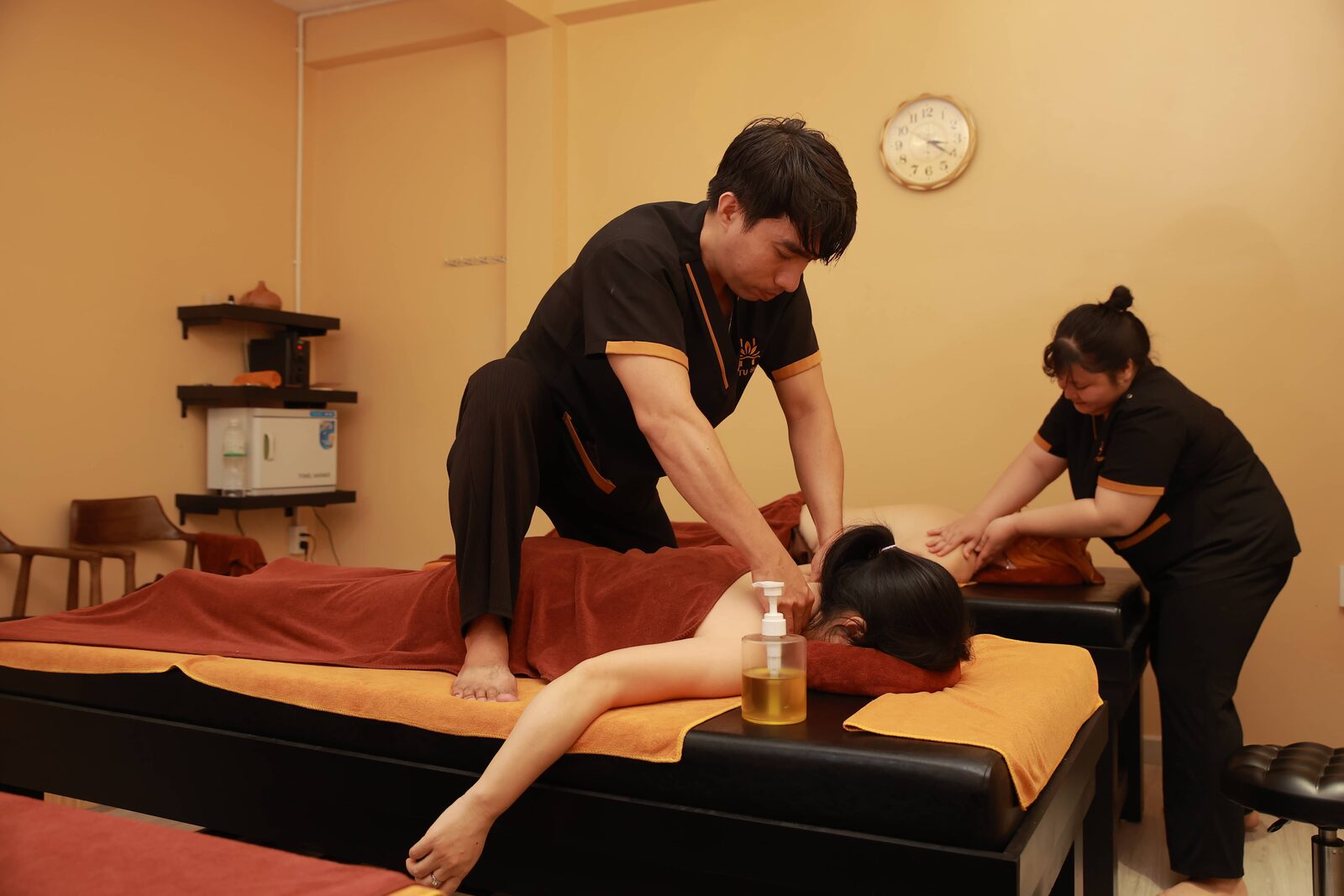
When tense muscle knots are kneaded correctly, muscle fibers loosen, localized circulation improves, and pain diminishes. For office workers, receiving a Neck and Shoulder Massage every week or two serves as maintenance, keeping tension from building up into chronic pain. Unlike light relaxation massage, targeted therapy focuses on specific muscle groups and trigger points, with pressure tailored to your condition.
Heat also plays a vital role. Warmth softens muscle tissue so technicians do not need to press overly hard—which is why Hot Stone Massage is so popular for shoulder and back stiffness. Should you choose massage or a warm compress? Both complement each other: warm compresses at home offer daily relief, while professional massage reaches deeper knots that heat alone cannot resolve.
When Should You Avoid Massage?
Is massage safe? With proper technique and appropriate pressure, it is generally safe. However, delay your session or consult a doctor first under these conditions:
- Pain started immediately after an accident, fall, or neck trauma.
- Accompanied by fever, stiff neck, or severe headache.
- Numbness, weakness, or radiating pain extending down one arm.
- Pregnancy, cardiovascular conditions, severe high blood pressure, diabetes, osteoporosis, recent surgery, or skin lesions on the neck area.
Always disclose your health condition to your therapist beforehand, give immediate feedback if pressure is too firm, and never allow anyone to crack or forcefully twist your neck.
Choosing the Right Massage Treatment
Depending on the cause and severity of stiffness, you can select different treatments. Below are suggestions based on therapies offered at HUTU SPA:
ConditionRecommended TreatmentTypical DurationOffice workers with neck, shoulder & upper back painTargeted Neck & Shoulder Massage30 to 60 minutesLong-term stiffness, active/athletic individualsDeep Tissue Massage using firm pressure on deep muscle layers90 to 120 minutesStiff muscles, cold hands/feet, seeking full-body relaxationHutu Signature Massage combining essential oils and hot stones60 to 120 minutesGentle relaxation during high stressAroma Massage with essential oils60 to 90 minutes If unsure, describe your pain location, onset, and daily routine to your therapist. A 30-minute session focused on neck and shoulders is a great starting point for beginners, after which you can extend duration as your muscles adapt.
When to See a Doctor for Neck and Shoulder Pain
Seek medical evaluation if your pain is accompanied by warning signs or does not improve with self-care. Organizations like the Mayo Clinic, Harvard Health, and MSD Manuals emphasize the following red flags:
Seek Immediate Emergency Care or Urgent Medical Evaluation If:
- Severe neck pain follows a traffic accident, fall, or traumatic injury.
- Weakness in an arm or leg, or difficulty walking.
- High fever accompanied by a stiff neck and headache (possible signs of meningitis).
- Loss of bowel or bladder control.
- Neck pain accompanied by chest pressure or difficulty breathing.
Schedule a Doctor's Appointment Soon If:
- Pain progressively worsens despite self-care, or lasts beyond a few weeks.
- Pain radiates down into your arms or legs.
- Accompanied by headaches, numbness, or arm weakness.
- Pain worsens at night, is accompanied by unexplained weight loss, or persistent neck lumps.
Disclaimer: Information in this article is for reference purposes only and does not replace medical diagnosis or treatment. Spa and massage services support relaxation and muscle tension relief, not medical diagnosis or cure.
Neck and Shoulder Pain While Traveling in Nha Trang & How to Pick a Spa
Travelers frequently experience neck and shoulder pain mid-trip: long flights or bus rides, hauling heavy luggage, sleeping on unfamiliar hotel pillows, swimming, or going from hot outdoor sun into icy air-conditioned rooms. These factors place extra strain on neck muscles while routine stretching is neglected. Quick tips: choose a pillow of suitable height, avoid sitting directly under cold drafts, rest between activities, and dedicate an afternoon to relaxation.
Where should you get a neck and shoulder massage in Nha Trang? Evaluate spas based on practical criteria: Does the therapist ask about your pain and health before starting? Is pressure adjusted according to your feedback? Are prices transparently posted? Are the facility and towels clean? And does the spa have genuine reviews from many guests?
Neck & Shoulder Massage at HUTU SPA Nha Trang
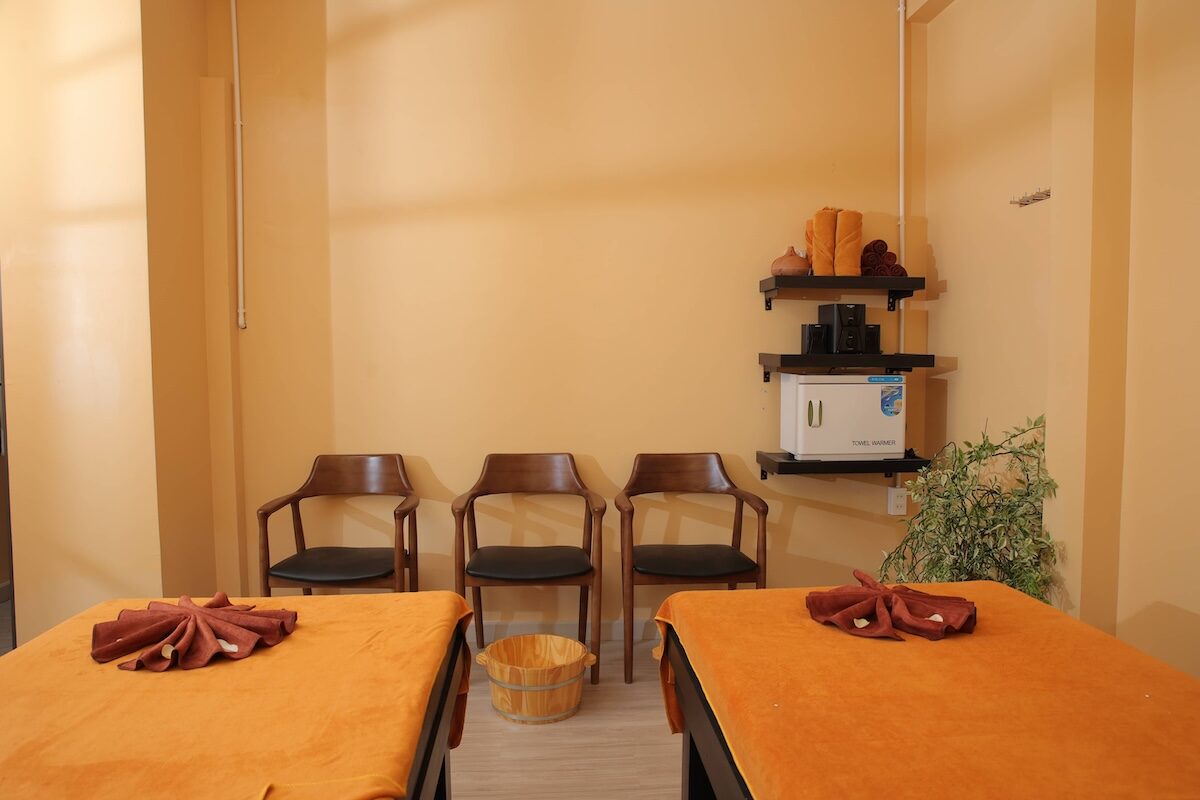
HUTU SPA is located at 5 Hong Bang, Nha Trang City, Khanh Hoa—right in the city center. Open daily from 10:00 to 22:00 (last booking at 21:00). The spa uses natural essential oils and products, offers private rooms, complimentary welcome tea, and post-treatment dessert. HUTU SPA holds a 4.9/5 rating on Google from over 1,745 customer reviews. International guests can easily reach out via Zalo, KakaoTalk, WhatsApp, or Viber.
The Neck & Shoulder Massage session focuses intensively on the neck, shoulders, and upper back—ideal for desk workers or travelers after long flights. You can book online or call/Zalo 0396 161 183 for personalized advice, especially during weekends and peak travel seasons.
Frequently Asked Questions About Neck and Shoulder Pain
How long does neck and shoulder pain take to heal?
Mild muscle strain typically improves within a few days. Persistent pain may require several weeks of care and habit adjustments. If pain worsens or fails to improve after a few weeks, consult a physician.
What should I do if I wake up with neck pain?
Apply a warm compress for 15 to 20 minutes, gently rotate your neck within a pain-free range, and avoid forcing movement into painful angles. Try changing your pillow and sleep position. Seek medical care if pain is accompanied by fever or arm numbness.
Should I use a hot or cold compress for neck and shoulder pain?
Cold compresses are best for fresh sprains, swelling, or sharp pain during the first 24 to 48 hours. Warm compresses suit chronic muscle stiffness and dull aches. Always place a towel between the pack and your skin.
Is neck and shoulder pain caused by cervical spondylosis?
It can be related, but most cases stem from muscle strain and poor posture. Only a physician can confirm the exact cause through clinical examination and imaging tests when necessary.
Is neck pain accompanied by dizziness or headaches dangerous?
Tension headaches frequently accompany tight neck muscles. However, if headache severity is extreme, or accompanied by intense dizziness, fever, stiff neck, or limb weakness, seek medical evaluation promptly.
How often should I get a neck and shoulder massage?
For office workers, a 30 to 60-minute session every week or two is generally recommended to prevent tension buildup. Once muscles stabilize, you can adjust frequency based on how your body feels.
What should office workers do daily to prevent pain?
Set your monitor at eye level, stand up every 45 to 60 minutes, perform 3 to 5 simple stretches, and sleep with an ergonomic pillow. Combine this with regular massage and consult a doctor if unusual symptoms arise.
Conclusion
What to do for neck and shoulder pain? Start with simple, safe steps: change your posture, compress properly, stretch gently, optimize your workstation, and improve sleep hygiene. Massage serves as an excellent supportive care option for tight muscles, though it cannot replace medical care when red flags exist. If you are in Nha Trang and looking for professional care to release hard-to-reach tension points, choose a reputable spa that checks your condition, customizes pressure, and maintains transparent pricing.