Waxing at a spa vs. waxing at home is a common dilemma for anyone seeking smooth skin while trying to figure out which option is safer. The short answer: home waxing is suitable for small areas, healthy skin, those with prior waxing experience, and using proper equipment. Spa waxing is the better choice if you are a first-timer, waxing sensitive zones like underarms, bikini, face, or back, or if you have reactive skin. This article breaks down every aspect to help you decide, complete with preparation steps, post-wax care, and booking instructions for HUTU SPA in Nha Trang.
Quick Answer: Should You Wax at a Spa or at Home?
- Choose DIY home waxing when treating small, easily visible areas (forearms, lower legs), if your skin is not sensitive, and if you already know how to control wax temperature.
- Choose spa waxing for your first time, when waxing underarms, bikini, face, or back, if your skin irritates easily, or if you prefer not to handle hot wax yourself.
- Avoid waxing in both settings if your skin is sunburned, scratched, inflamed, or if you are using retinoid medications. Guidelines from the American Academy of Dermatology (AAD) explicitly state not to wax sunburned or highly sensitive skin, and to avoid waxing if you have taken isotretinoin within the last 6 months.
What Is Waxing and How Does It Work?
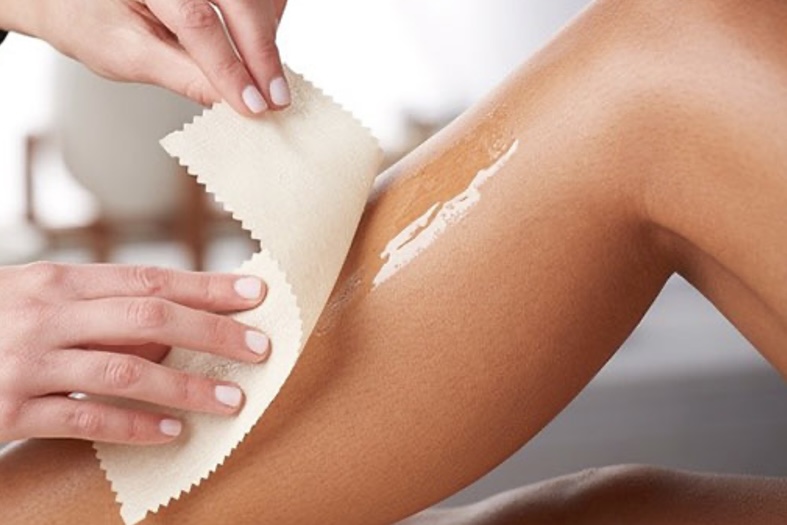
Waxing is a hair removal method that involves applying wax to the skin and pulling it off to pull the hair shafts out from the follicle. According to DermNet NZ, it is a form of epilation, meaning the entire hair root is removed from beneath the skin surface, typically taking 2 to 3 weeks to grow back. Unlike shaving, which merely cuts hair at the skin level, waxing provides longer-lasting smoothness but exerts greater force on the skin.
What Is the Difference Between Hot Wax and Cold Wax?
There are two primary types of wax. Hot wax is warmed up, applied to the skin, and allowed to cool (or pulled with a cloth strip). It adheres well to hair and is widely used by professionals. Cold wax comes as pre-coated strips or room-temperature wax; it is convenient for home use but adheres less effectively, often requiring multiple pulls over the same area which increases skin irritation.
In principle, hotter wax carries a higher risk of burns if handled without experience. DermNet NZ highlights the critical importance of ensuring wax is not overly hot to prevent burns. Therefore, when doing DIY hot waxing, always patch-test the temperature on a small area first.
How Long Does It Take for Hair to Grow Back After Waxing?
Typically, hair regrows in about 2 to 3 weeks, depending on the area and individual body characteristics. You should wait until hair grows to roughly 0.5 cm (about 1/4 inch, or the size of a grain of rice) before your next session. Waxing too early when hair is too short prevents the wax from gripping, forcing repeated pulls that leave skin red and raw.
DIY Home Waxing: Pros and Risks
Advantages of Home Waxing
- Cost savings per session: A store-bought kit can be reused multiple times, making it cheaper than spa visits for regular maintainers.
- Privacy and flexibility: You choose your own schedule without travel or booking ahead.
- Ideal for simple areas: Lower legs and forearms are flat, easy to pull taut, and clearly visible.
Risks of DIY Home Waxing
Dermatology guidelines and medical resources outline several common consequences of improper DIY hair removal:
- Wax burns: The most frequent mistake at home is failing to monitor wax temperature. Dermatologists note that burns occur far more frequently at home than in professional spas.
- Redness and irritation: Usually subsides in a few hours, but can linger longer on sensitive skin. The AAD advises seeking medical evaluation if redness or swelling lasts more than 2 days.
- Folliculitis and ingrown hairs: Caused by poor hygiene, pulling against the wrong direction, or neglecting post-wax skin care.
- Skin lifting and post-inflammatory hyperpigmentation: Dark reddish-brown spots can appear on sensitive skin and fade slowly over weeks or months.
- Allergic reactions to homemade wax: Unverified DIY recipes using honey, lemon, sugar, or coconut oil can cause itching and peeling on sensitive skin.
- Skin infections: Rare, but possible if tools are unsterilized. Individuals with diabetes should exercise extra caution and consult a physician first.
Most of these risks stem from incorrect technique, improper preparation, or inadequate aftercare. If you decide to wax at home, follow the step-by-step guide provided below.
Spa Waxing: Advantages and Limitations
Advantages of Spa Waxing
- Temperature control and technique: Experienced technicians apply wax evenly, pull in the correct direction, minimize missed hair, and reduce pain.
- Suitable for hard-to-reach areas: Underarms, bikini, face, and back are difficult to see and stretch properly on your own.
- Skin-tailored advice: Technicians can screen for medications, skin conditions, and sensitive zones before starting.
- No cleanup required: No need to manage wax pots, strips, towels, or sticky residues.
- Combination relaxation: You can pair your session with a massage or facial treatment in a single visit.
Limitations of Spa Waxing
- Higher cost per visit compared to home kits, especially when waxing multiple body parts frequently.
- Dependent on facility standards: Healthline and dermatologists warn against poor hygiene practices such as double-dipping spatulas into shared wax pots.
- Requires appointments and travel: Particularly during weekends and peak travel seasons.
Comparison Table: Spa Waxing vs. DIY Home Waxing
| Criteria | Spa Waxing | DIY Home Waxing |
|---|---|---|
| Cost per session | Higher, usually priced per area | Lower when reusing a kit multiple times |
| Temperature control | Technicians handle wax daily with proper tools | Higher risk of burns due to lack of experience |
| Pain level | Generally less painful due to swift, correct technique | More painful if pulled in the wrong direction |
| Sensitive zones (underarms, bikini, face) | Highly recommended | Difficult to maneuver; higher risk of skin damage |
| Hygiene | Requires picking a reputable spa with single-use tools | Self-controlled, but tools require strict sanitation |
| Time & convenience | Requires booking and travel | Flexible schedule, but setup and cleanup take time |
| Skin assessment | Professional screening before starting | Self-assessed |
| Best for | First-timers, sensitive areas, reactive skin | Experienced waxers, small areas, normal skin |

When to Wax at Home vs. When to Visit a Spa
You Can Wax at Home If:
- You have waxed before and know how your skin reacts.
- The area is small, flat, and easy to reach (e.g., lower legs, forearms).
- Your skin has no open wounds, sunburns, or active retinoid treatments.
- You own a proper waxing kit with temperature controls or safe testing methods.
- You have successfully patch-tested a small area without adverse reaction.
You Should Visit a Spa If:
- It is your very first time waxing and you do not know your pain tolerance.
- You want to wax your underarms, bikini line, face, or back.
- Your skin irritates easily, breaks out, or has a history of folliculitis.
- You are traveling and want a quick, clean service without hauling equipment.
- You want to combine waxing with a massage or skincare session.
Who Should Avoid Waxing?
Regardless of location, postpone or consult a doctor before waxing in these scenarios:
- Active or recent isotretinoin use: The AAD advises against waxing if you have taken isotretinoin within the last 6 months. DermNet NZ suggests caution for 6 to 12 months after stopping oral retinoids, as skin can tear and scar.
- Topical retinoid use: Discontinue topical retinoids prior to waxing as recommended by your physician or aesthetician.
- Sunburned, wounded, inflamed, or infected skin: Wait until skin completely heals.
- Highly sensitive skin or melasma in the target area: Waxing can trigger inflammation and worsen pigmentation.
- Individuals with diabetes, undergoing chemotherapy, or with skin disorders: Skin is more fragile and infection-prone; consult a doctor first.
- Pregnancy: Waxing is generally safe provided the spa follows strict sanitation, but consulting an obstetrician beforehand is advised.
When booking at a spa, inform your technician about any of these factors so they can adjust the service safely.
Pre-Waxing Preparation
Proper preparation reduces pain, minimizes irritation, and ensures better wax adhesion. These steps apply to both home and spa waxing:
- Allow hair to grow: Aim for about 0.5 cm (1/4 inch). If hair is significantly longer, trim it gently with safe scissors to reduce tangling and pain.
- Cleanse and dry the skin: Gently wash the target area to remove dirt, oils, and lotions. Clean, dry skin helps wax adhere cleanly.
- Gently exfoliate 24 hours prior: Helps free trapped hair shafts and reduces ingrown hairs. Avoid exfoliating immediately before waxing, as fresh skin is thinner and more vulnerable. If you prefer a professional prep, consider a Full-Body Scrub Service beforehand.
- Avoid sun exposure and hot baths: Prolonged hot baths soften skin excessively, while sunburned skin should not be waxed.
- Pause sensitizing skincare products: Stop using retinoids, retinol, or strong acids as directed by a healthcare professional.
- Wear loose, breathable clothing: Prevents friction and irritation on freshly waxed areas.
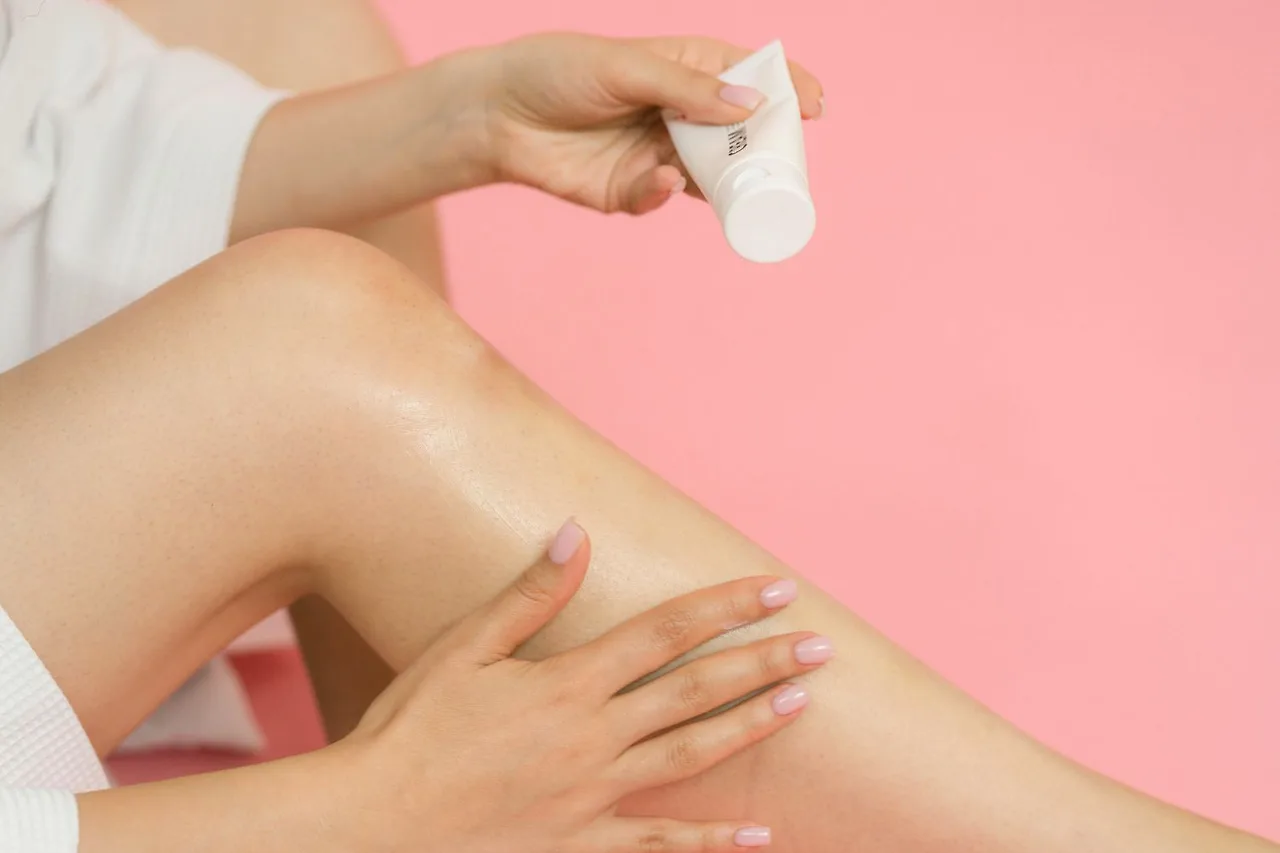
Step-by-Step Guide for Safe Home Waxing
If you choose to wax at home, follow these steps sequentially, always prioritizing the product instructions on your kit:
- Perform a patch test: Apply a small amount of wax to a discreet spot and observe for 24 hours. Discontinue if redness, itching, or burning persists.
- Check the wax temperature: The wax should feel comfortably warm, never hot enough to sting or burn. Test on the inner wrist before applying.
- Work in small sections: Apply wax to small patches rather than whole limbs at once to maintain control as the wax cools.
- Apply in the direction of hair growth: Spread a thin, smooth layer following the natural growth angle.
- Apply strip and press firmly: Smooth the cloth or paper strip down in the direction of hair growth.
- Pull skin taut and rip quickly against hair growth: Hold skin firm with one hand and pull the strip back swiftly, parallel to the skin with the other hand. Pulling upward increases pain and risk of skin tearing.
- Apply hand pressure immediately: Press firmly onto the freshly waxed skin to soothe the stinging sensation.
- Soothe the skin: Apply a cool compress for 10–15 minutes, followed by pure aloe vera gel or specialized soothing lotion.
What NOT to do when DIY waxing: Do not wax over red, broken, or irritated skin; never share waxing tools; do not double-dip spatulas; do not apply wax too thick; and do not wax the same patch repeatedly in one session. Use tweezers for leftover stray hairs instead.
Post-Wax Skincare: The First 24 to 48 Hours
How you care for your skin after waxing determines 50% of the result. Follow these core guidelines:
- Cool and soothe: Apply a cool compress wrapped in a clean towel for 10–15 minutes if skin feels warm. Follow with aloe vera gel or soothing cream.
- Avoid sun exposure: Wear protective clothing and stay out of direct sunlight for at least 24 hours, as freshly waxed skin is extra UV-sensitive.
- Skip hot baths, saunas, and swimming: Avoid for 1–2 days to prevent bacteria from entering open pores.
- Wear loose, soft clothing: Prevent tight fabrics from rubbing against sensitive skin and causing ingrown hairs.
- Avoid touching with unwashed hands: Wash hands before applying any skincare to the area.
- Limit heavy exercise and harsh deodorants: Especially for underarm and bikini areas.
- Exfoliate gently after 24–48 hours: Once skin has fully calmed, light weekly exfoliation helps prevent ingrown hairs.
If redness, swelling, or pain lasts longer than 2 days, or if pus or fever develops, consult a dermatologist promptly.
Handling Ingrown Hairs and Folliculitis
Ingrown hairs occur when new hair gets trapped under dead skin cells or irritated pores. To minimize them:
- Exfoliate gently once a week starting 24 to 48 hours post-wax.
- Keep skin adequately hydrated with non-comedogenic moisturizers.
- Do not pick or squeeze ingrown hairs with fingers or unsterilized tweezers while inflamed.
- Wear loose clothing over high-friction areas.
If painful, pus-filled bumps appear around hair follicles and spread, seek medical evaluation for folliculitis.
Waxing Before a Beach Vacation: Timing Is Everything
To enjoy smooth skin on vacation without discomfort, keep these timing rules in mind:
- Do not wax right before swimming in the ocean: Saltwater, hot sun, sand, and chlorine easily irritate freshly waxed skin. Allow at least 1 to 2 days between waxing and swimming.
- Wax at the beginning or end of your trip: Waxing at the start gives skin time to calm before beach days; waxing at the end works if swimsuits are no longer required.
- Never wax sunburned skin: Focus on hydration and cooling until skin fully heals.
- Pack soothing aloe vera gel and broad-spectrum sunscreen: Use aloe gel to calm skin and sunscreen once skin is intact.
If you are vacationing in Khanh Hoa, you can seamlessly integrate skincare and waxing into your itinerary—check out Relaxation Experiences When Traveling in Nha Trang to balance sightseeing, beach time, and spa rest. After a long day outdoors, facial skin also benefits from deep cleansing; read about the Spa Facial Care Process to learn the basics before booking.
How to Choose a Reputable Waxing Spa
When selecting a spa, look beyond price and evaluate hygiene and professional standards:
- Strict hygiene: No double-dipping spatulas; clean disposable gloves; fresh bed linens or paper covers for every client.
- Pre-service consultation: Staff ask about medications, skin sensitivity, pregnancy, and target areas.
- Patch testing available: Offered for sensitive skin or first-time clients upon request.
- Transparent pricing: Clear cost breakdown per area with no hidden fees.
- Private treatment rooms: Dedicated private spaces for sensitive zones like underarms and bikini.
- Genuine customer reviews: Look for feedback highlighting cleanliness and technician skill.
- Post-care instructions: Staff provide clear guidance on what to avoid for the next 24 to 48 hours.
To learn how a Nha Trang spa maintains high service standards, read Why Choose HUTU SPA for Massage in Nha Trang, detailing facility quality, products, and staff training.
Waxing Services at HUTU SPA Nha Trang
HUTU SPA is located at 5 Hong Bang, Nha Trang City, Khanh Hoa—conveniently situated in the city center near coastal hotels. Open daily from 10:00 to 22:00 (last booking at 21:00), the spa maintains a 4.9-star rating from over 1,745 Google reviews.
Waxing is offered alongside massage, facial care, and body scrubs. Learn more on the HUTU SPA Waxing Service Page, where treatments are described as professional, gentle, and smoothing. The spa emphasizes natural products, private treatment rooms, and well-trained technicians.
Pricing and Treatment Areas Note
Pricing for specific waxing zones (underarms, legs, arms, bikini, face) may vary. Contact the spa directly to confirm current rates, area availability, and wax types (hot vs. cold wax).
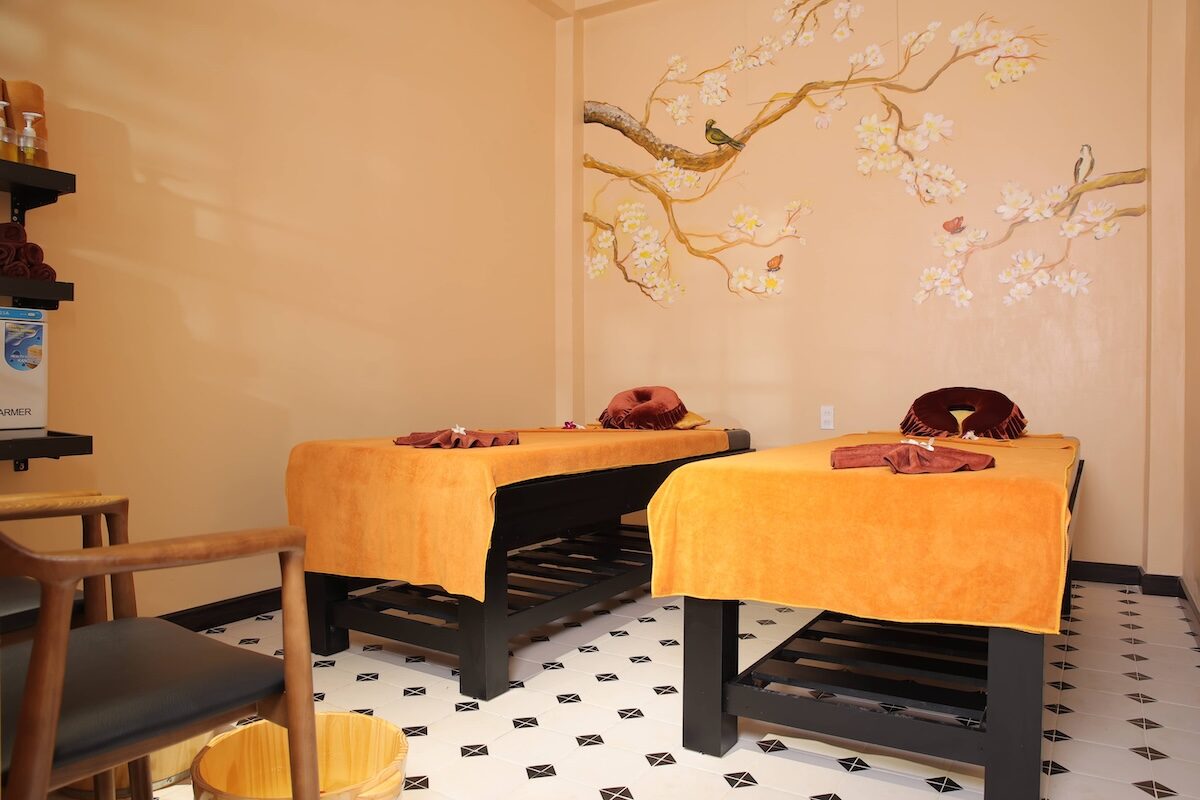
Combine Waxing with Foot Massage in One Visit
A convenient way to structure your visit is to wax first, then relax. After leg waxing, pair your session with a gentle treatment like Foot Massage (one of the spa's popular services starting at 140,000 VND for 30 minutes). Inform your therapist about freshly waxed areas so pressure and products are adjusted accordingly.
How to Book a Waxing Appointment at HUTU SPA
Booking ahead ensures your preferred time slot, especially on weekends and during peak travel seasons:
- Identify target areas and schedule: Plan sessions 1 to 2 days before beach or swimming activities.
- Call or message to confirm waxing options: Reach out via Hotline/Zalo at 0396 161 183 to check pricing and availability. International guests can connect via WhatsApp, KakaoTalk, Viber, or WeChat.
- Disclose skin conditions and medications: Mention retinoids, isotretinoin, sunburns, pregnancy, or skin sensitivities.
- Select a convenient time: The spa operates from 10:00 to 22:00 (last appointment at 21:00). Arrive a few minutes early to relax.
- Combine with online booking for massage: Use the website reservation form to pick dates, times, and party size.
- Check promotions: Review the Massage Price List for weekday discounts and inquire if special rates apply to waxing.
- Follow aftercare instructions: Keep skin cool, avoid sun, skip swimming, and wear loose clothing for 24 to 48 hours post-wax.
Cost Comparison: How to Calculate DIY vs. Spa Waxing
Real costs depend on products, areas treated, and frequency. Calculate your expenses using this breakdown:
- DIY Home Waxing: Combine the kit price (wax pot, strips, spatulas, warmer) with soothing gels and scrubs, divided by the expected number of uses.
- Spa Waxing: Multiply the price per area by a recurring interval of every 3 to 4 weeks.
- Hidden costs of DIY waxing: Account for prep time, cleanup effort, and the risk of managing burns or skin irritation.
For beginners or sensitive areas, many find the extra cost of a professional technician well worth the peace of mind and reduced risk.
Frequently Asked Questions About Spa vs. Home Waxing
Does waxing hurt?
Yes, most people feel a brief sting when the wax strip is pulled. Pain intensity depends on the area (underarms and bikini hurt more than legs), hair length, menstrual cycle, and individual tolerance. Regular waxing generally reduces discomfort over time.
How often should you get waxed?
Typically every 3 to 4 weeks, or when hair reaches approximately 0.5 cm in length. Regrowth rates vary by individual and body area.
Does waxing make hair grow back thicker?
No medical evidence suggests waxing thickens hair. Repeated pulling against hair follicles can weaken regrowth over time for some individuals.
Can men get waxed?
Yes. Waxing is suitable for both men and women with healthy skin. Confirm supported treatment areas with the spa prior to your appointment.
Can I get a massage after waxing?
Yes, provided you choose gentle options and avoid heavy pressure on freshly waxed skin. Inform your therapist beforehand so they adapt their pressure and oil selection.
How should I book a waxing session in Nha Trang?
Book in advance during weekends and peak travel seasons. Contact HUTU SPA via hotline or Zalo at 0396 161 183 to reserve waxing or combine it with a massage.
Conclusion
There is no single answer to whether spa waxing or DIY home waxing is better. Home waxing works well for small areas, normal skin, and experienced individuals using safe equipment. Spa waxing is the superior choice for first-timers, sensitive zones, reactive skin, or those wanting a relaxing experience. Regardless of your choice, evaluate your skin, respect contraindications, and follow diligent post-wax care for 24 to 48 hours.
If you are in Nha Trang and want to schedule a relaxing treatment, contact HUTU SPA via hotline or Zalo at 0396 161 183 to inquire about waxing and reserve your appointment.