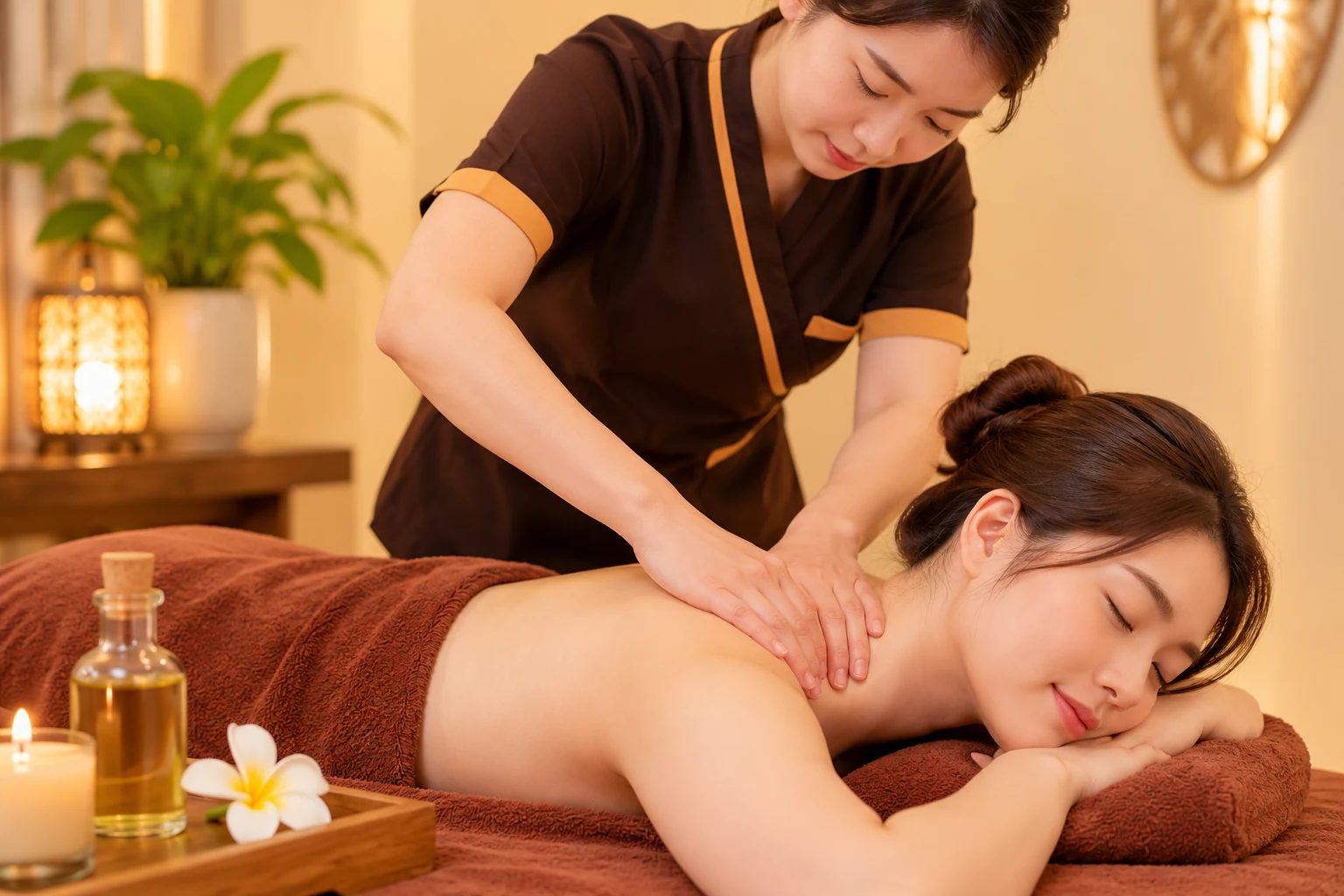
How often should you exfoliate your body? It sounds like a simple question, but getting the answer wrong can easily leave your skin dry, irritated, darker, or prone to back acne. The short answer is that most adults only need to exfoliate their bodies 1 to 2 times per week. The right frequency for you depends on your skin type, the method you use, the areas you want to treat, and even the climate where you live. This article will help you build a suitable exfoliation schedule, understand when to increase, reduce, or temporarily stop exfoliating, and follow the correct steps whether you are caring for your skin at home or at a spa.

Quick Summary
- Normal skin: 1 to 2 times per week.
- Dry or sensitive skin: Once a week or less often, preferably with gentle products.
- Oily skin or skin prone to back and chest acne: 2 to 3 times per week, preferably using BHA rather than vigorous scrubbing.
- The stronger the exfoliation method, the less frequently you should use it.
- Do not exfoliate sunburned skin, open wounds, or areas that have been waxed within the past 48 hours.
- Always moisturize immediately after exfoliation and apply sunscreen to exposed areas.
How Often Should You Exfoliate Your Body?
For most healthy people, exfoliating the body 1 to 2 times per week is enough to keep the skin smooth without damaging its protective barrier. If you are new to exfoliation, start once a week for the first 2 to 3 weeks. Observe how your skin responds before gradually increasing the frequency.
This recommendation is based on the skin's natural renewal process. According to Cleveland Clinic, the body sheds approximately 40,000 dead skin cells every day, and a new layer of skin replaces the old one roughly every 30 days. This process happens naturally. Exfoliation simply helps remove dead cells that remain attached to the skin's surface. Therefore, you do not need to scrub your skin every day, and doing so is not recommended.
Why Is There No One-Size-Fits-All Exfoliation Schedule?
The American Academy of Dermatology (AAD) explains that exfoliation frequency depends on your skin type and the method you choose. The stronger the method, the less frequently you should exfoliate, as excessive exfoliation can cause redness and irritation. In addition to these two main factors, your exfoliation schedule is also influenced by:
- Age: Older skin renews itself more slowly and tends to be drier.
- Skin and environmental humidity: Air-conditioned rooms and dry weather can make the skin more prone to flaking.
- Skin tone: Darker skin tones may be more likely to develop dark marks after aggressive scrubbing.
- Skin thickness: The elbows, knees, and heels need more focused care than other areas.
- Medications and skincare products: Retinoids and benzoyl peroxide can make the skin more sensitive.
- Weather: Hot weather and excessive sweating can make the pores on the back and chest more prone to congestion.
How Is Body Skin Different from Facial Skin?
The skin on your torso, arms, and legs is thicker than facial skin, so it can generally tolerate slightly coarser exfoliating particles and more regular exfoliation. However, different body areas have different needs. The back and chest contain more oil glands, while the lower legs and arms are often dry. Facial skin is much thinner and more sensitive, so it requires its own products and routine, such as a facial treatment tailored to your skin type, rather than sharing the same body scrub.
What Is Body Exfoliation and What Are Its Benefits?
Body exfoliation is the process of removing old dead skin cells from the surface of the body. This can be done through friction (physical exfoliation) or by using active ingredients that loosen the bonds between dead skin cells (chemical exfoliation). When excess dead skin is removed properly, the skin looks brighter and feels softer to the touch.
Practical Benefits of Exfoliating at the Right Frequency
- Smoother skin immediately after the first session, especially around the elbows, knees, and lower legs.
- A more even-looking skin surface with improved radiance because dull, dead skin cells have been removed.
- Moisturizers and sunscreen spread more evenly and may absorb more effectively.
- Helps reduce ingrown hairs in areas that are frequently shaved or waxed.
- Helps improve rough, bumpy skin when combined with regular moisturizing.
- Adds a gentle massage experience to your bathing routine, helping you relax after a long day.
What Exfoliation Cannot Do
Exfoliation cannot change your natural skin tone, so it will not make your skin several shades lighter after just a few sessions. It also cannot cure inflammatory acne, eczema, or psoriasis. Exfoliating more often does not make results appear faster. Instead, it can weaken the skin's protective barrier and make the skin more vulnerable to sunlight and environmental pollutants.
How Many Times a Week Should You Exfoliate Based on Your Skin Type?
Your skin type is the first factor to consider when deciding how often to exfoliate your body. Observe your skin about 30 minutes after showering, before applying any skincare products, and compare its condition with the table below.
| Skin Type | How to Identify It | Suggested Frequency | Recommended Options |
|---|---|---|---|
| Normal skin | Neither dry nor oily, with little irritation | 1 to 2 times per week | Fine-grain body scrub or body wash with mild AHA |
| Dry skin | White flakes, itching, or tightness after showering | Once a week; every 10 days during dry weather if needed | Lactic acid, urea, or sugar scrub mixed with oil |
| Oily skin | Shiny, greasy skin that is prone to back and chest acne | 2 to 3 times per week | BHA (salicylic acid) for the back and chest; moderate scrubbing for the arms and legs |
| Combination skin | Oily back and chest but dry arms and legs | Back and chest: twice weekly; arms and legs: once weekly | Use separate products for different areas |
| Sensitive skin | Prone to burning, stinging, or redness when trying new products | Once every 1 to 2 weeks, or skip exfoliation if necessary | Soft washcloths, enzymes, or PHA; patch-test on a small area first |
| Keratosis pilaris (chicken skin) | Small rough bumps on the upper arms, thighs, or buttocks | Several times per week, according to product instructions | Urea or lactic acid creams; avoid vigorous scrubbing |
Dry and Sensitive Skin Needs Longer Intervals Between Sessions
The AAD recommends that people with dry, sensitive, or acne-prone skin use a soft washcloth or gentle chemical exfoliants, as mechanical friction can easily cause irritation. For these skin types, wait until any tightness or stinging from the previous session has completely disappeared before exfoliating again. If your skin continues to peel even after you have reduced the frequency, focus on moisturizing first rather than rushing into another exfoliation session.
Darker Skin Tones and Skin with Dark Marks
For darker skin tones or skin with dark marks left by acne, insect bites, or burns, the AAD notes that aggressive exfoliation can make discoloration worse. A safer option is to use low-concentration chemical exfoliants less frequently and always apply sunscreen to the treated areas.
Keratosis Pilaris Requires a Gentle Touch, Not More Scrubbing
Many people see rough bumps on their upper arms and immediately start scrubbing harder. However, the AAD recommends the opposite approach. Use a soft washcloth or bath sponge, choose products containing AHA, lactic acid, salicylic acid, or urea, and apply moisturizer within 5 minutes after showering while your skin is still damp. Vigorous scrubbing can make the bumps redder and more noticeable.
Body Exfoliation Frequency Based on the Method
The general rule is that the stronger the exfoliation method, the less frequently you should use it. You should also use only one exfoliation method on the same area during each session. The table below summarizes the recommended frequency for common methods.
| Method | Suggested Frequency | Notes |
|---|---|---|
| Body scrubs (sugar, salt, coffee grounds) | 1 to 2 times per week | Choose fine particles and massage gently for about 30 seconds per area |
| Exfoliating gloves, towels, or dry brushes | 1 to 2 times per week | Use gentle pressure, allow tools to dry completely, and replace them regularly |
| Body wash containing AHA or BHA | Daily or every other day if your skin tolerates it well | Reduce or stop using grainy scrubs when using this type of body wash |
| Body lotions or serums containing AHA, BHA, or urea | Start with 2 to 3 evenings per week, then follow the product label | Apply sunscreen to exposed skin during the day |
| Professional full-body exfoliation at a spa | Once every 2 to 4 weeks | Maintain your skin at home with gentle exfoliation once a week |

Physical Exfoliation: Salt, Sugar, Coffee, and Exfoliating Gloves
Physical exfoliation uses particles or textured tools to remove dead skin cells through friction. Its advantages include immediately smoother skin after showering, ease of use, and affordability. However, it is also easy to overdo. Scrubbing too hard or using particles with sharp edges can create tiny scratches that are invisible to the naked eye.
For this method, 1 to 2 sessions per week are enough for most people. Fine sugar granules gradually dissolve in water, making them gentler and more suitable for dry skin. Salt is harder and more abrasive, so it may be more suitable for thick skin on areas such as the heels. However, it can sting if your skin has scratches or has recently been shaved. Coffee grounds have a pleasant aroma and a relatively fine texture, but they can leave residue around the hairline at the nape of the neck and in drains.
Chemical Exfoliation: AHA, BHA, Urea, and PHA
Chemical exfoliation uses acids or active ingredients to loosen the bonds between dead skin cells, allowing them to shed naturally. This method provides more even exfoliation and is generally gentler than vigorous scrubbing. However, it can still cause irritation if you use the wrong concentration or apply it too frequently.
- AHA (glycolic acid, lactic acid): Suitable for dry, rough, and dull skin. AHA can increase the skin's sensitivity to sunlight, so it is best used in the evening.
- BHA (salicylic acid): Oil-soluble and able to penetrate pores, making it suitable for the back and chest, where acne commonly occurs.
- Urea: Helps soften the outer layer of skin while retaining moisture, making it suitable for dry skin and keratosis pilaris.
- PHA: Has larger molecules and penetrates more slowly, making it a gentler option for sensitive skin.
Can You Use AHA or BHA Body Wash Every Day?
Body washes containing AHA or BHA usually have relatively low concentrations and remain on the skin for only a few dozen seconds before being rinsed off. As a result, many people can use them daily without problems. The important thing is to consider your total exfoliation exposure throughout the week. If you use this type of body wash every day, reduce grainy scrubs to once a week or stop using them altogether. Discontinue use immediately if your skin starts to feel tight or irritated.
Do Not Combine Multiple Exfoliation Methods on the Same Day
A common mistake is scrubbing with coffee grounds, using an exfoliating glove, and then applying an AHA lotion on the same evening. Each step may be safe on its own, but combining them can exceed your skin's tolerance. Choose only one exfoliation method for each area during a session, and allow your skin to rest for at least one day before using another method.
Exfoliation Frequency for Different Body Areas
Even on the same person, not every body area needs the same exfoliation schedule. Areas with thicker skin can tolerate more frequent exfoliation, while thinner areas need gentler care.

| Body Area | Characteristics | Suggested Frequency |
|---|---|---|
| Back and chest | Many oil glands, prone to clogged pores and acne | BHA 2 to 3 times per week; physical scrubbing no more than once weekly |
| Arms and thighs | Often dry and prone to keratosis pilaris | 1 to 2 times per week, combined with urea or lactic acid cream |
| Buttocks | Prone to roughness and dark marks caused by prolonged sitting and tight clothing | 1 to 2 times per week, using gentle pressure |
| Elbows and knees | Thick, dry skin that can become darker | Twice weekly, followed immediately by a rich moisturizer |
| Heels | The thickest layer of dead skin on the body | 2 to 3 times per week using a pumice stone after soaking your feet |
| Neck, upper chest, underarms, and groin | Thin skin that is easily irritated | Once a week or less often, using gentle products |
For your heels, soak your feet in warm water for a few minutes to soften the skin before using a pumice stone. Rub in one direction and stop while the skin still feels slightly rough. People with diabetes or numbness in their feet should not use strong exfoliating tools on their heels without consulting a doctor first.
A Sample Weekly Body Exfoliation Schedule
If you are prone to back acne but have dry legs, you can organize your weekly routine as follows. This is only an example that you can adjust to your needs, not a mandatory formula.
| Day | Recommended Activity |
|---|---|
| Monday | Evening: Use a BHA body wash or lotion on the back and chest |
| Tuesday | Simply shower and moisturize |
| Wednesday | Evening: Use a fine-grain sugar scrub on the body, avoiding areas with inflamed acne |
| Thursday | Simply shower and moisturize |
| Friday | Evening: Apply BHA to the back and chest |
| Saturday | Take a break from exfoliation and apply sunscreen carefully if going to the beach or spending time outdoors |
| Sunday | Soak your feet, use a pumice stone on your heels, and apply a rich moisturizer |
When Should You Increase, Reduce, or Stop Exfoliating?
Your exfoliation schedule does not need to remain the same throughout the year. Adjust it according to the weather, your activities, and your skin's condition at different times.
Hot and Humid Weather and Days When You Sweat a Lot
In coastal cities such as Nha Trang, hot weather and sweating can make the back and chest feel congested and more prone to acne. During these periods, you may increase chemical exfoliation on your back and chest to 2 to 3 times per week while keeping your arms and legs at 1 to 2 times per week. Conversely, if you spend all day in an air-conditioned room or during dry weather, reduce exfoliation and increase moisturizing.
After Spending Time at the Beach or in the Sun
If your skin is sunburned, red, or peeling, you should stop exfoliating completely. The AAD advises against exfoliating sunburned skin or areas with open wounds. Soothe your skin with cool water and fragrance-free moisturizer. Wait until the redness, burning, and peeling have completely disappeared before resuming exfoliation with gentle pressure. When planning a relaxing itinerary during your trip to Nha Trang, consider scheduling your exfoliation session in the evening, after finishing your outdoor activities for the day.
Before and After Waxing
If you are planning to wax your legs or another body area, gently exfoliate 1 to 2 days before your appointment. This helps prevent hairs from becoming trapped beneath dead skin cells and allows the wax to adhere more effectively. After waxing, your skin needs time to rest. Do not exfoliate during the first 48 hours, and avoid AHA or BHA products on freshly waxed areas. From the third day onward, gentle exfoliation 1 to 2 times per week can help reduce ingrown hairs.
When Using Medications or Targeted Skincare Products
Prescription retinoids, retinol, and benzoyl peroxide can make the skin more sensitive. The AAD warns that combining these products with exfoliation may increase dryness or irritation. If you use these products on your back or chest, reduce exfoliation in those areas or consult the prescribing doctor before combining treatments.
When Should You Consult a Doctor First?
- Your skin has open wounds, an infection, or widespread pustular acne.
- You have eczema, psoriasis, or contact dermatitis.
- You are pregnant and want to use products containing active ingredients.
- You have diabetes, circulation problems, or loss of sensation in your feet.
Signs That You Are Exfoliating Too Much or Too Little
Your skin will tell you whether your current schedule is appropriate. Observe your skin for 24 to 48 hours after each session so you can make adjustments when necessary.

Signs of Over-Exfoliation
- Your skin feels tight, burns, or stings when showering with ordinary water or applying a familiar moisturizer.
- Redness, small bumps, or itching persist after exfoliation.
- Your skin looks shiny or waxy but feels dry and begins peeling in thin patches.
- Back or chest acne becomes worse instead of improving.
- Dark marks appear in areas that are frequently scrubbed, such as the elbows and knees.
Signs of Under-Exfoliation
- Your skin feels rough or uneven, especially on the arms, thighs, and lower legs.
- Moisturizer does not absorb easily and seems to remain on the surface.
- Your skin looks dull, and your elbows and knees are noticeably darker than the surrounding areas.
- Ingrown hairs occur more frequently after shaving or waxing.
- Your back and chest have many small comedones caused by clogged pores.
How to Repair Your Skin After Over-Exfoliating
- Stop all forms of exfoliation, including acid-based body washes, for at least 5 to 7 days.
- Shower with cool or lukewarm water and use a gentle, fragrance-free body wash.
- Apply a moisturizer containing ceramides, glycerin, or panthenol twice a day.
- Protect the affected areas from sunlight and apply sunscreen when going outdoors.
- If your skin continues to burn, ooze fluid, or develop widespread redness after several days, see a dermatologist.
Once your skin has stabilized, resume exfoliation at a lower frequency than before. For example, reduce your routine from twice a week to once a week.
When Is the Best Time to Exfoliate Your Body?
Timing matters almost as much as frequency. Choosing the right time can help minimize irritation and improve the effectiveness of your skincare routine.
Before or After Showering?
For grainy scrubs and exfoliating gloves, exfoliate while showering. Wet your skin with warm water for a few minutes and wash it with a gentle body wash before applying the scrub. Once the outer layer of skin has softened, only very light pressure is needed. For leave-on body lotions or serums containing AHA or BHA, apply them after showering and drying your body. The AAD recommends rinsing with warm water rather than hot water to prevent further moisture loss.
Morning or Evening?
Evening is suitable for most people. Your skin does not need to face direct sunlight immediately after exfoliation and has the entire night to recover. This is particularly important when using AHA. If morning is the only time available, you can still perform gentle physical exfoliation, provided you apply sunscreen to all exposed areas before going outside.
How to Exfoliate Your Body Properly at Home
A full-body exfoliation session at home takes only about 10 to 15 minutes when you follow the correct steps below.

- Soften your skin. Shower with warm water for 3 to 5 minutes to hydrate and soften the outer layer of dead skin cells.
- Cleanse. Use a gentle body wash to remove sweat, dirt, and any remaining sunscreen.
- Apply and massage. Take an appropriate amount of scrub for each area and massage in small circular motions for about 30 seconds per area, as recommended by the AAD. Start from your feet and work upward, avoiding scratched skin or areas with inflamed acne.
- Adjust pressure according to the area. Focus more on the elbows, knees, and heels. Use a lighter touch on the neck, upper chest, underarms, and groin. Do not allow exfoliating particles to come into contact with mucous membranes.
- Rinse and pat dry. Rinse with warm water, then gently pat your skin dry with a soft towel instead of rubbing it.
- Moisturize immediately. Apply a moisturizing cream or lotion within 5 minutes while your skin is still slightly damp to help retain moisture.
How to Make a Simple Homemade Body Scrub
If you want to prepare your own scrub, one of the simplest options is to mix fine-grain sugar with coconut oil or olive oil at an approximate ratio of 2 parts sugar to 1 part oil. This mixture provides gentle exfoliation while leaving a thin layer of oil to help retain moisture. Prepare only enough for 1 to 2 uses, store it in a clean container with a lid, and keep water from getting inside.
Avoid applying lemon juice, vinegar, or baking soda directly to your skin. Lemon juice can cause burning and leave dark marks when the skin is exposed to sunlight. Baking soda is alkaline and can disrupt the skin's natural pH balance.
How to Care for Your Skin After Body Exfoliation
After exfoliation, your skin often feels softer and may absorb skincare products more readily, but part of its natural protective layer has also been removed. The following habits can help maintain the results:
- Moisturize immediately: The AAD emphasizes moisturizing immediately after exfoliation to prevent dryness. Choose products containing ceramides, glycerin, urea, or shea butter.
- Protect exposed skin from the sun: Apply broad-spectrum sunscreen to your arms, neck, and lower legs when going outside, especially during weeks when you use AHA products.
- Wear breathable clothing: Loose cotton clothing reduces friction and can help prevent back acne and ingrown hairs.
- Avoid excessive heat immediately afterward: Do not spend a long time in a steam room or soak in an excessively hot bath on the same day.
- Keep your tools clean: Rinse exfoliating gloves, bath sponges, and pumice stones thoroughly, allow them to dry completely, and replace them regularly to prevent bacterial growth.
Once dead skin cells have been removed, the skin may also receive massage oils more evenly. For this reason, many people choose to exfoliate before an aroma essential oil massage to enjoy softer, smoother skin after the treatment.
Common Mistakes to Avoid When Exfoliating Your Body
Most skin problems after exfoliation are caused by habits rather than the products themselves. Here are some of the most common mistakes:
- Exfoliating every day because you think more is better. Your skin needs time between sessions to rebuild its protective barrier.
- Scrubbing too hard and using hot water. Excessive friction combined with hot water accelerates moisture loss and increases the risk of redness and irritation.
- Using abrasive particles with sharp edges. Coarse salt and roughly ground nutshells can cause tiny scratches, especially on thin skin.
- Using the same body product on your face. Body scrubs are often too abrasive for facial skin, so your face and body should have separate products.
- Exfoliating damaged skin. Open wounds, inflamed acne, and sunburned skin should be left alone until they heal.
- Combining too many active ingredients. Using a scrub, exfoliating glove, and AHA in the same session can overwhelm your skin.
- Skipping moisturizer. This is a common reason why skin feels even drier and rougher after exfoliation.
- Expecting instant skin whitening. Exfoliation can make skin look brighter and more even, but it cannot change your natural skin tone.
How Is Professional Body Exfoliation at a Spa Different from Doing It at Home?
Exfoliating at home is convenient and affordable, while professional spa treatments can help reach difficult areas and provide better control over pressure. For many people, combining both approaches is the most practical option.
| Criteria | At Home | At a Spa |
|---|---|---|
| Back and shoulder areas | Difficult to reach and easy to miss certain spots | A therapist can work evenly across the back and shoulders |
| Pressure control | Easy to scrub too hard when in a hurry | Pressure can be adjusted according to each skin area |
| Product selection | You choose the products yourself and may select the wrong type for your skin | Receive recommendations based on your skin condition |
| Experience | Quick, convenient, and available whenever you want | More relaxing, with the option to combine exfoliation with massage |
| Suggested frequency | 1 to 2 times per week | Once every 2 to 4 weeks |
If you have had a professional exfoliation treatment at a spa, allow your skin to rest for 3 to 4 days before returning to your gentle at-home exfoliation routine. This allows your skin to benefit from periodic deep cleansing without overlapping multiple exfoliation sessions within the same week.
Professional Full-Body Exfoliation at Hutu Spa Nha Trang
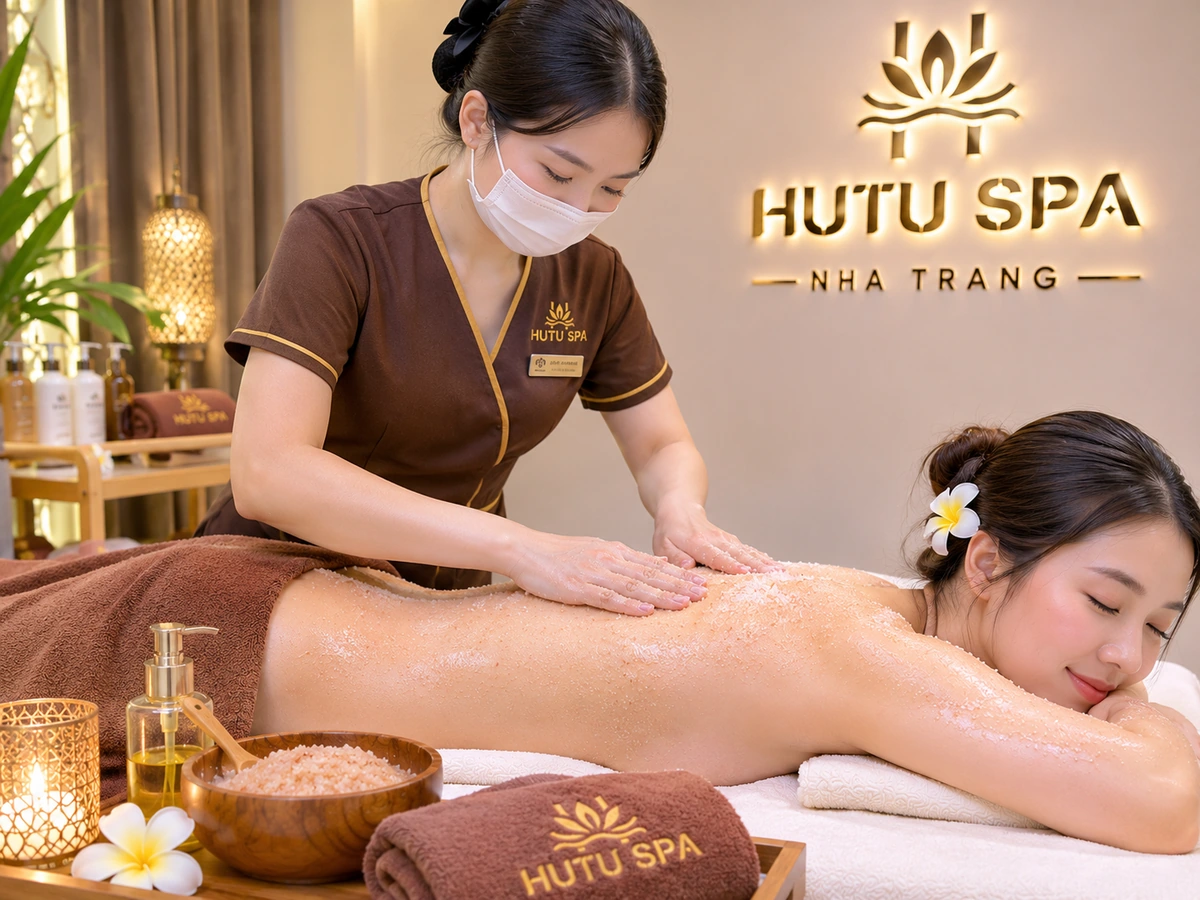
Hutu Spa is located at 5 Hong Bang Street, Nha Trang Ward, Khanh Hoa Province. The spa is open daily from 10:00 AM to 10:00 PM and accepts guests until 9:00 PM. The full-body exfoliation service at Hutu Spa helps leave the skin smoother and brighter. It is particularly suitable for travelers who want to refresh their skin after spending time in the sun at the beach, once any redness or irritation has completely subsided. The spa uses products made with naturally derived ingredients and recommends treatments based on each guest's individual skin condition.
To ensure a safe and effective exfoliation session, inform your therapist in advance if your skin is sunburned, you have recently had waxing, you are using retinoids, or you have any sensitive areas. Treatment prices and durations can be discussed directly through the spa's hotline or Zalo at 0396 161 183.
Frequently Asked Questions About Body Exfoliation
Can You Exfoliate Your Body Every Day?
Not if you are using grainy scrubs, exfoliating gloves, or brushes. Daily physical exfoliation can weaken the skin's protective barrier, making it dry, irritated, and more sensitive. One exception is a body wash containing low concentrations of AHA or BHA, which may be used daily if your skin tolerates it well and you are not combining it with other exfoliation methods.
Does Body Exfoliation Make Your Skin Whiter?
No. Exfoliation does not change your natural skin tone. Your skin may look brighter because dull, dead skin cells have been removed and the smoother surface reflects light more effectively. To maintain an even skin tone over time, combine regular moisturizing with daily sun protection.
Do You Need to Wash Again with Body Wash After Exfoliating?
Usually, no. Simply rinse thoroughly with warm water, as washing again with body wash may remove the nourishing oils left behind by the scrub. If the scrub contains a lot of oil and leaves your skin feeling greasy, use a small amount of gentle body wash on that area.
How Long Does It Take to See Smoother Skin?
Your skin may feel smoother immediately after the first session. For roughness, dullness, or keratosis pilaris, you may need approximately 4 weeks of consistent exfoliation and adequate moisturizing to notice more visible changes. This corresponds roughly to a 30-day skin renewal cycle.
Should You Exfoliate Your Body with Salt or Sugar?
Sugar has smaller granules that gradually dissolve in water, making it gentler and more suitable for dry and sensitive skin. Salt is harder and more abrasive, making it more suitable for thicker areas such as the heels and elbows. However, it can sting on freshly shaved skin or areas with scratches. Whichever option you choose, keep the frequency to 1 to 2 times per week.
How Many Times a Week Should You Exfoliate Back Acne?
For back and chest acne, chemical exfoliation with BHA 2 to 3 times per week is generally more effective than scrubbing. Do not scrub directly over swollen or inflamed pimples. If your acne is widespread, painful, or leaves scars, consult a dermatologist for appropriate treatment.
Can Pregnant Women Exfoliate Their Bodies?
Gentle physical exfoliation with sugar or a soft exfoliating glove is generally suitable for many pregnant women, provided they use less pressure because the skin may become more sensitive during pregnancy. For products containing active ingredients such as retinoids or high concentrations of salicylic acid, pregnant women should consult their obstetrician before use.
Should You Exfoliate Before or After Shaving?
Gentle exfoliation before shaving, or one day beforehand, can help the razor glide more smoothly and reduce the risk of ingrown hairs. Avoid exfoliating immediately after shaving because the razor has already removed a thin layer of dead skin cells, making the area more prone to irritation.
Conclusion
There is no single answer to how often you should exfoliate your body that works for everyone. However, a safe starting point is 1 to 2 times per week. Begin with once a week and adjust according to how your skin responds. Oily skin and back acne may benefit from BHA 2 to 3 times per week, while dry and sensitive skin needs longer intervals and gentler products. Stop exfoliating temporarily if your skin is sunburned, has recently been waxed, or shows signs of over-exfoliation. Most importantly, never skip moisturizing.
If you are in Nha Trang and want your skin to be thoroughly cared for, including hard-to-reach areas such as your back and shoulders, the team at Hutu Spa is ready to recommend a suitable treatment. Contact us via our hotline or Zalo at 0396 161 183, or visit us at 5 Hong Bang Street, Nha Trang Ward, from 10:00 AM to 10:00 PM daily.